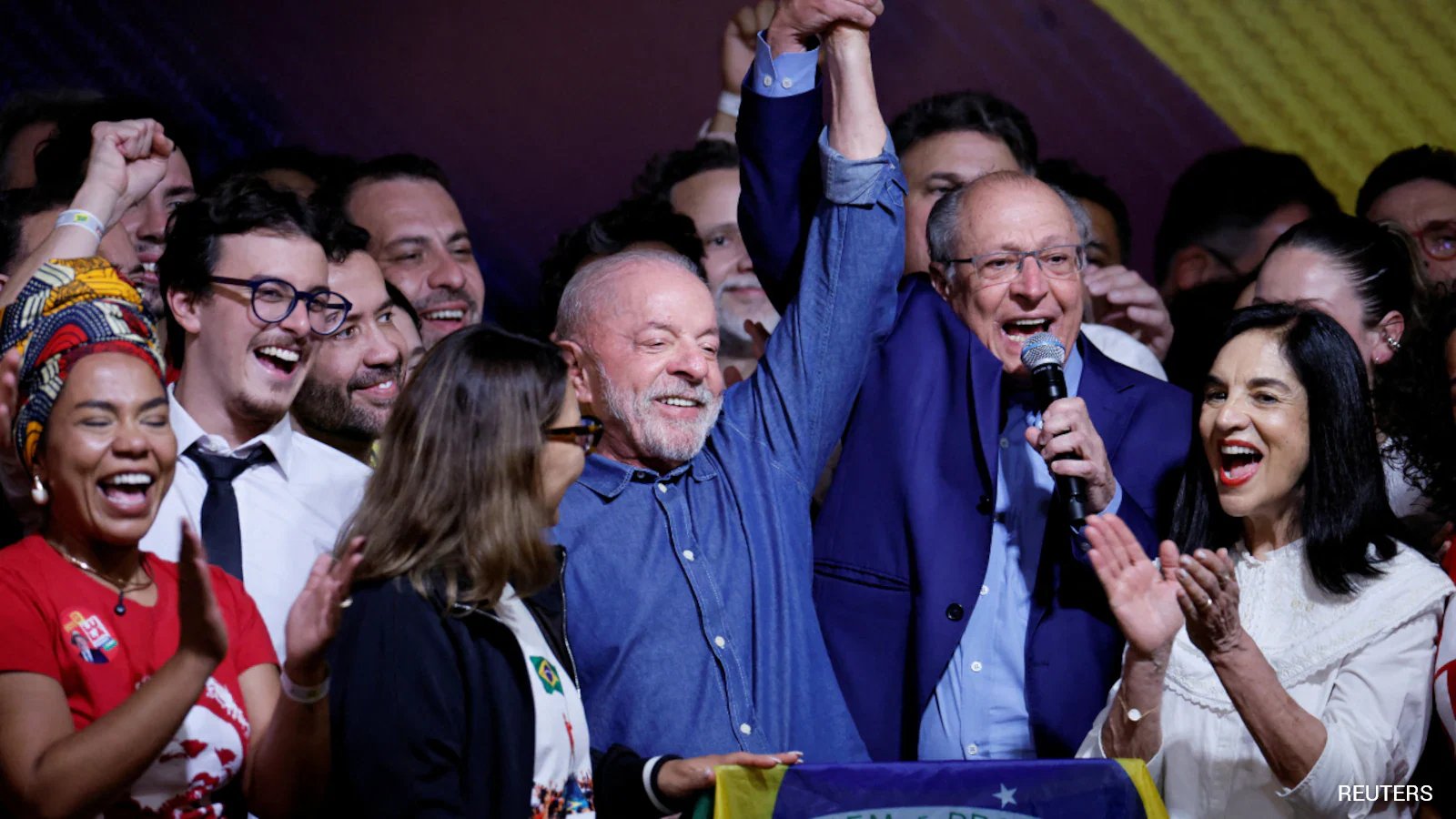
Lula secured 51.8% of the vote in the July 2026 presidential runoff, defeating right‑wing challenger Flavio Bolsonaro, who captured 48.2%. The 80‑year‑old incumbent reclaimed the presidency for a fourth term, a feat no Brazilian leader has achieved before.
Students and young activists flooded the streets of Rio de Janeiro, São Paulo and Belo Horizonte, chanting "Bolsonaro never again" and rallying in support of Lula’s social agenda. Eduardo Grin of the Getúlio Vargas Foundation said the mobilization was "fundamental" to reconnecting with a demographic that had felt alienated.
The campaign’s digital strategy, dubbed "Lula’s Army," exploded on WhatsApp, growing from 60,000 followers to nearly 11 million in three weeks. Influencer politicians, a newly purchased cellphone and a selfie‑centric persona helped the incumbent out‑maneuver Bolsonaro’s online presence.
Congress approved a suite of policy wins for Lula: a two‑day workweek guarantee for workers, early welfare payments, and debt forgiveness for small‑scale entrepreneurs. The president framed these as non‑partisan benefits, saying he would not stop granting them because of elections.
Flavio Bolsonaro, 45, ran as his father Jair’s proxy, echoing past controversies over hunger, pandemic handling and environmental policy. While Lula’s supporters drew parallels to the 1984 mass movement that toppled Brazil’s military regime, Bolsonaro’s legacy still cast a shadow on the election’s legitimacy. The victory will likely push Brazil toward a more inclusive, socially oriented policy framework, as analysts predict.