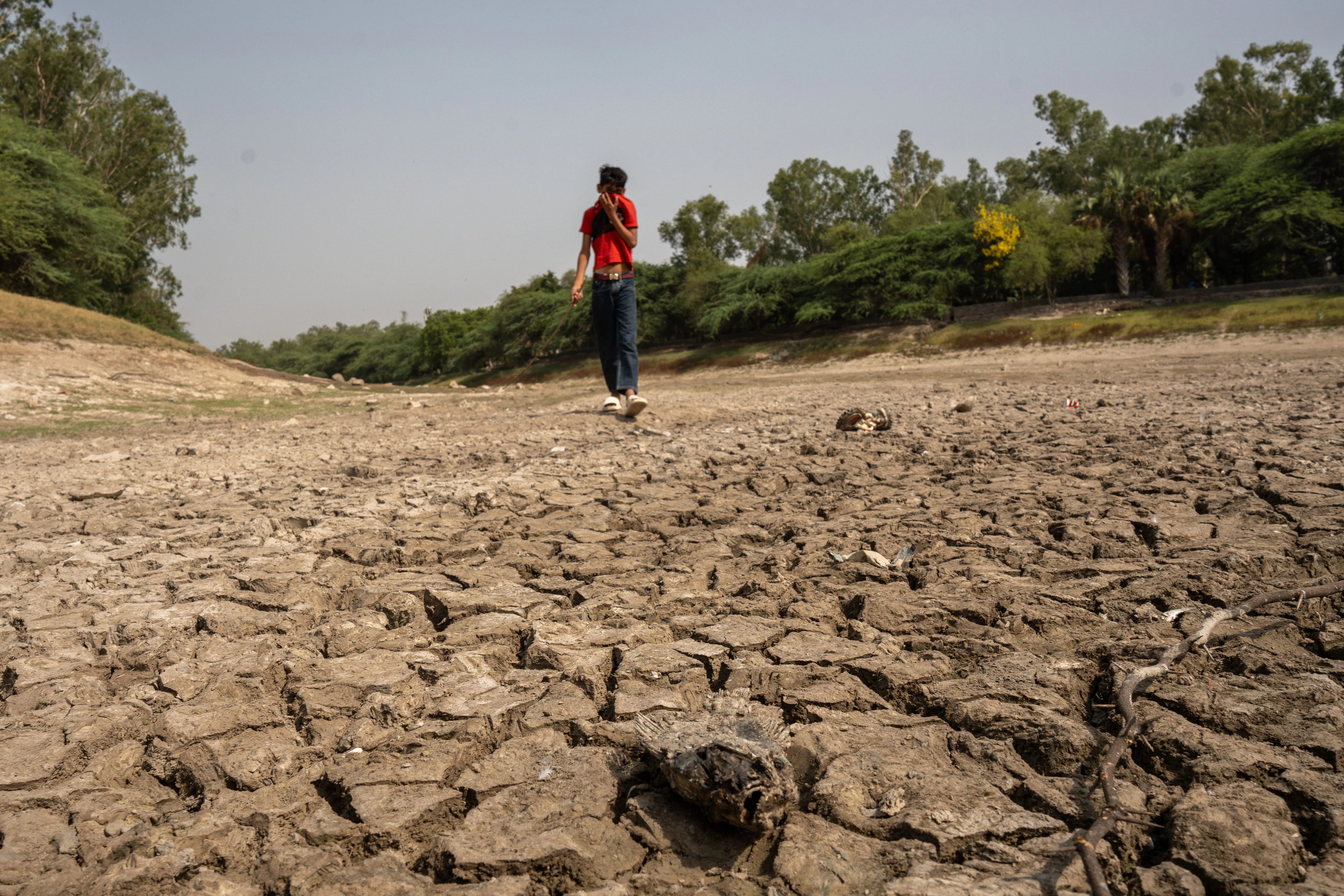
India’s Meteorological Department announced a 15% rainfall deficit for the June‑September monsoon, the sharpest shortfall since 2009 when precipitation dipped 18% below normal. The deficit follows an earlier May forecast that expected a 10% shortfall, signalling an increasingly dry season as El Nino strengthens.
Christian Werner, managing director of Global Weather Climate Analytics, warned that a tropical cyclone could touch the Bay of Bengal in the last week of September, potentially delivering much-needed rain to eastern and northeastern states. He cautioned that the storm would unlikely alter the national deficit, projecting a 13%‑16% shortfall overall.
Lancaster University’s CRUCIAL platform, led by planetary scientist Mark Roulston, now rates a 68% probability that the monsoon will end with a 10%‑20% deficit. This forecast comes as Yuvika Singhal of QuantEco explains that each percentage‑point drop in rainfall typically pushes food inflation about 25 basis points higher.
Food inflation stood at 5.95% in August – the highest this year – and the deficit has already forced the government to allow duty‑free sugar imports and subsidise onions in several states. A farmer in Punjab, whose rice fields lie in the drought‑hit belt, said he fears the next crop cycle will be a harvest of empty carts, underscoring the urgency of the measures.
The government is set to review its emergency food price controls next week, while climate experts urge a reassessment of irrigation infrastructure to cushion the next planting season from the lingering effects of the El Nino‑driven dry spell.