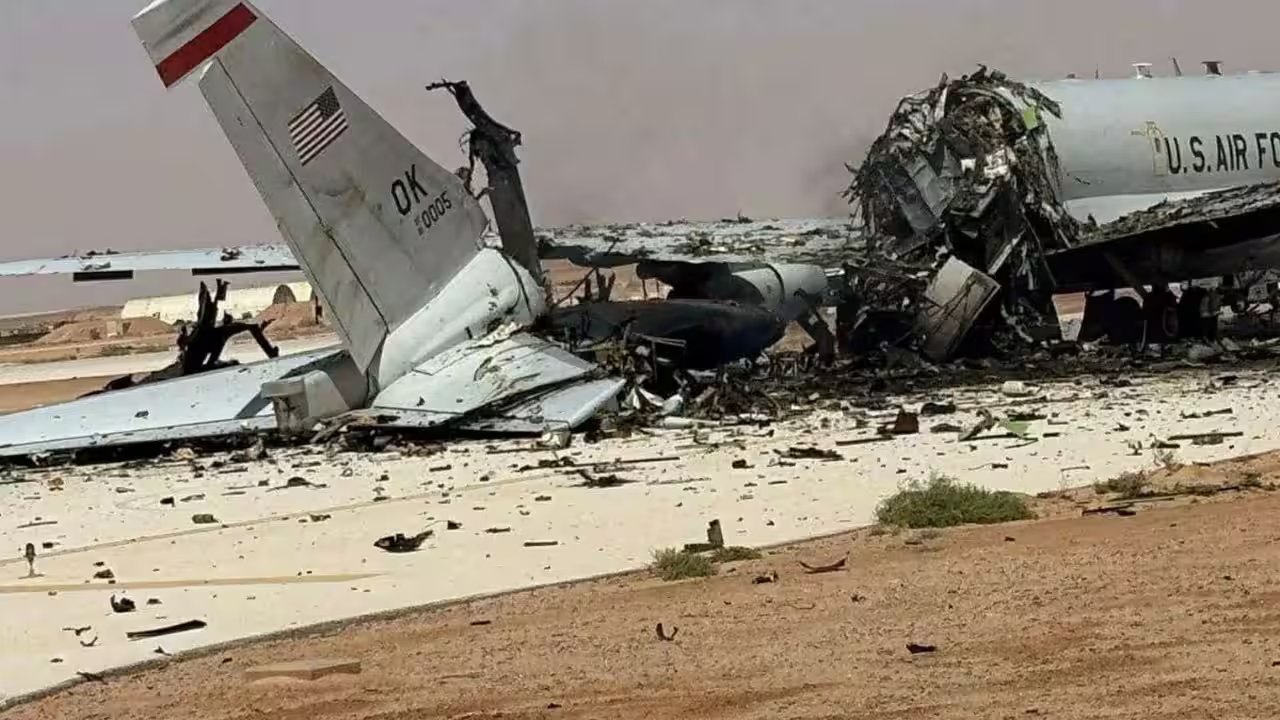
The Pentagon told lawmakers the Iran conflict has already drained $45.1 billion from the US Treasury. This figure, disclosed to Congress as of September 3, includes an extra $1.5 billion in fuel costs that previous reports omitted. The number stands well above the $38 billion projected by the Congressional Budget Office (CBO) in August. It’s a staggering sum for a war that many on Capitol Hill still view as a limited engagement.
But the money is just one part of the story. The Washington Post reported that six US officials believe the casualty count is higher than the Pentagon’s official tally. While the public database lists 18 dead, internal accounting suggests at least 22 US service members have died in the Middle East since hostilities began.
One official told the Post the number could be 23, noting that not all deaths were combat-related. Three US contractors also lost their lives in the region. The Pentagon has declined to comment on the discrepancy, leaving the identities and circumstances of the additional deaths largely unknown.
The financial hit doesn't stop at ammunition. US Central Command noted that $28 billion of the total went to replacing munitions, with another $4.3 billion covering lost or damaged equipment. Repairing war-torn bases and buildings isn't even in this number. The CBO warns that fighting could add $2 billion to $3 billion to the tab every single month it drags on.
Global markets are already feeling the squeeze. Iran’s closure of the Strait of Hormuz and Houthi control of Bab al-Mandeb have disrupted energy flows. The CBO predicts this could push US inflation up by 0.5 percentage points by the first quarter of 2027. For now, the Pentagon remains silent on when the fighting—and the bleeding of funds—will actually stop.