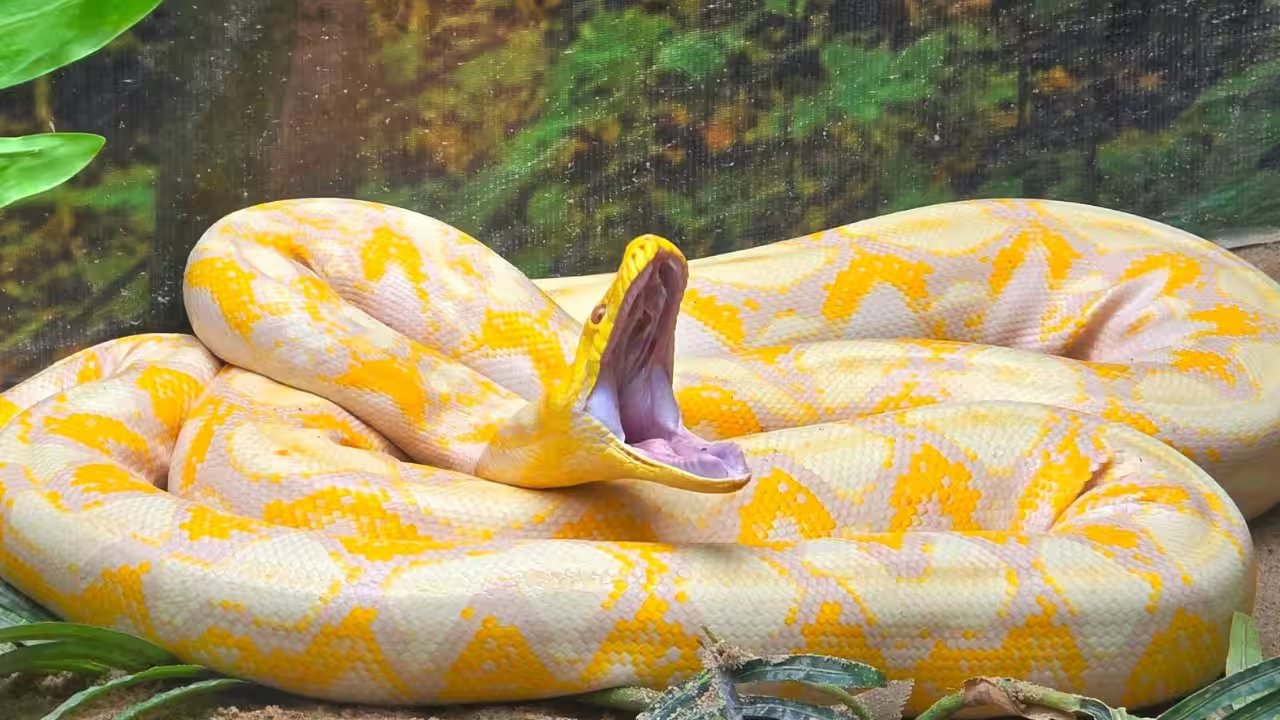
A 16-foot, 147.9-pound female Burmese python now carries a radio tag deep within the Greater Everglades Ecosystem. Researchers at the US Geological Survey’s Fort Collins Science Centre released the snake back into the wetlands after attaching the device, marking a pivotal step in a new aerial surveillance trial. The goal is simple: stop sending teams of biologists into knee-deep mud to find snakes that can grow longer than a car. Instead, they are looking from above.
The technology relies on uncrewed aircraft systems fitted with either radio receivers or high-resolution cameras. Chris Holmquist-Johnson, a certified drone instructor for the Department of the Interior, trained the Florida-based scientists on this platform roughly a year ago. Holmquist-Johnson’s primary work involves mapping river channels and forest density in the western US, but his expertise in uncrewed flight has been repurposed for a very different kind of terrain. The drones can cover vast, wet, and impenetrable sections of the Everglades far faster than a human on foot, potentially slashing the time and money spent on manual searches.
The stakes are ecological. Burmese pythons are firmly established in the region and are credited with the sharp decline of native mammals like raccoons, opossums, and rabbits. Finding these camouflaged predators is notoriously difficult; they blend into the sawgrass and water, making traditional ground-based monitoring slow and expensive. By tracking the movement of tagged individuals, the USGS hopes to build a clearer map of how the snakes move through the ecosystem, data that will inform future control strategies.
This is not yet a proven solution. The agency describes the project as an evaluation phase, with no published metrics yet on cost savings or detection rates compared to ground teams. The 16-foot specimen is just one data point in a population that can grow even larger. As the drones continue their test flights over the Everglades, the critical question remains whether this aerial approach can reliably locate untagged snakes across all seasons and habitat types, or if it remains an expensive experiment in the face of a biological invasion.