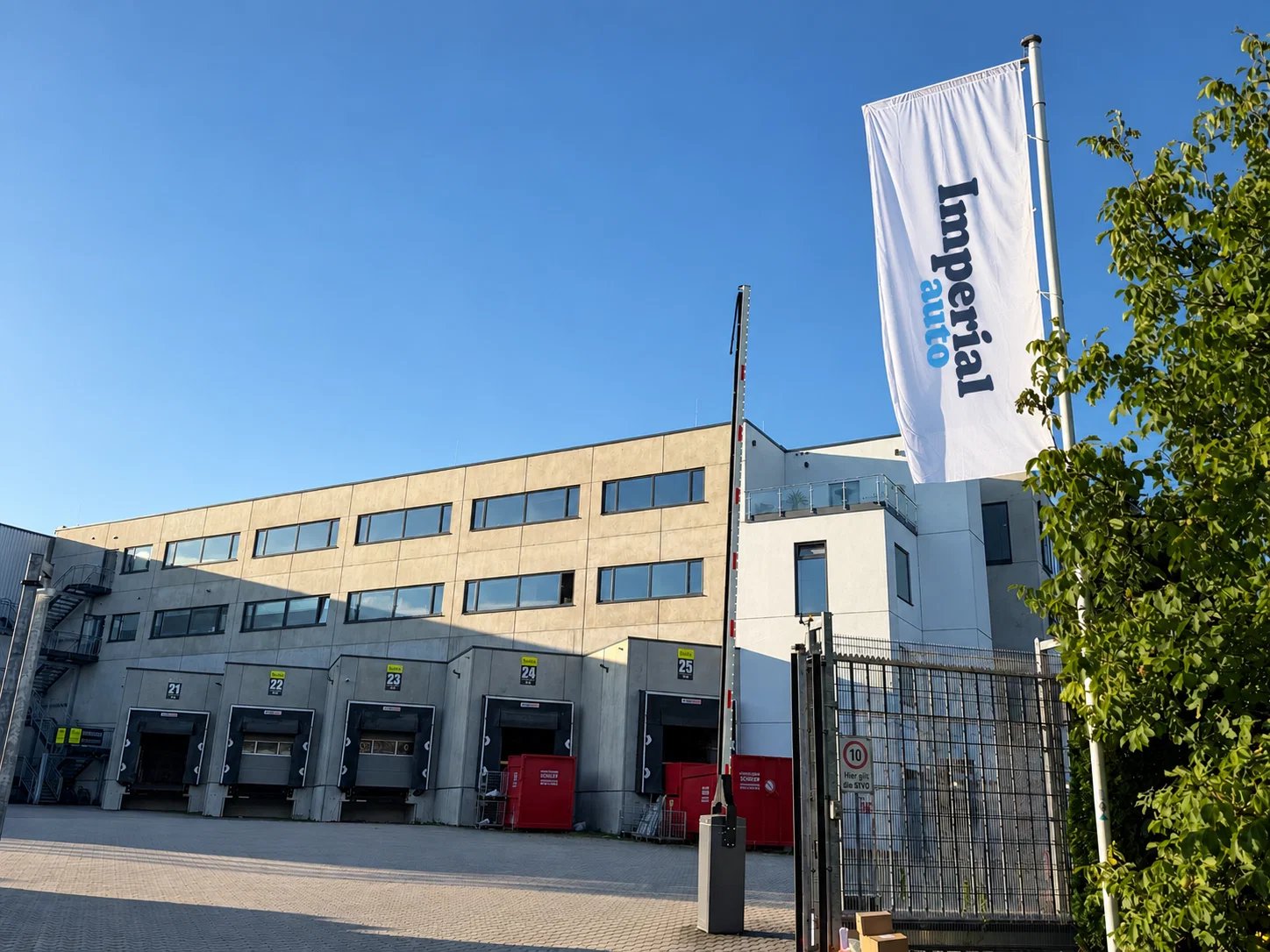
Imperial Auto’s new Backnang centre isn’t just a building – it’s a promise that parts will evolve faster than the last decade.
The 3‑acre complex sits on the outskirts of Stuttgart‑area city Backnang, a strategic spot between the automotive heartlands of Baden‑Württemberg and the Rhine. With 120 engineers on site, the hub will run 24/7 R&D shifts, syncing with Tier‑1 suppliers and OEMs like Mercedes‑Benz and BMW.
What does this mean for a car buyer? If you’re waiting for a new sedan from a mainstream brand, the parts that go into it could see firmware updates and improved durability sooner. Faster technical feedback loops can shave weeks off development cycles, meaning more reliable components and, ultimately, steadier prices.
Industry watchers note that this is a clear counter‑move to the likes of Bosch’s German R&D expansion. Whereas Bosch focuses on autonomous driving tech, Imperial Auto is zeroing in on powertrain reliability and cost‑effective manufacturing. The centre will also host joint industrialisation programs, a move that could spur local supply‑chain upgrades and job creation.
From a policy angle, the German government’s incentives for domestic R&D are tightening, so Imperial Auto’s presence aligns with the federal push for ‘Made in Germany’ manufacturing. Buyers in Europe might see a ripple effect: higher quality standards, better after‑sales support, and a smoother path for EV component integration.
The facility is expected to go live by Q3 2026, with first collaborative projects slated for early 2027. Keep an eye on the next wave of parts releases from brands partnering with Imperial Auto, as they could set new benchmarks for performance and cost.