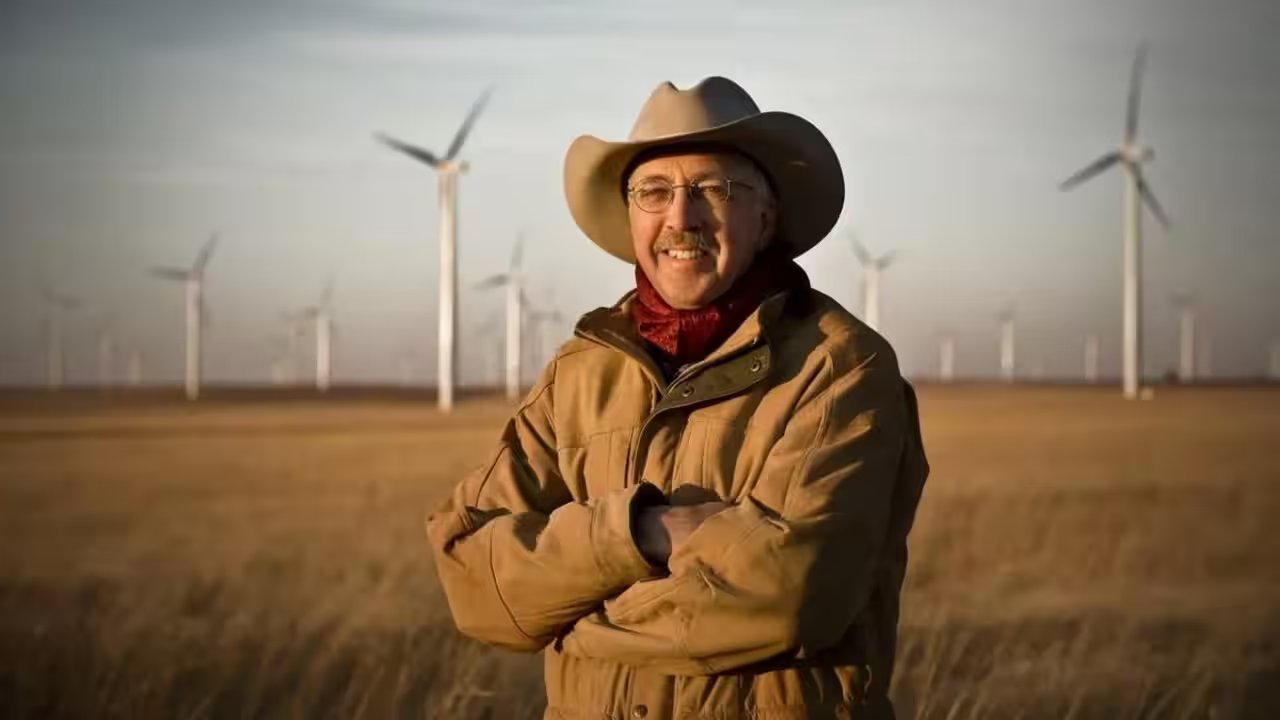
Peter Ferrell, a fourth-generation rancher in Kansas, now relies on wind power for half his income. The 50 turbines dotting his 7,000-acre Flint Hills ranch have transformed his financial outlook since the Elk River Wind Power project went live in 2006. This steady royalty stream insulates his family from the volatile economics of cattle ranching, a sector where debt is the norm rather than the exception.
Ferrell was initially skeptical. He worried the structures would scar the landscape, threaten the vulnerable prairie chicken population, and represent an "honourless handout" rather than fair compensation. But after a fellow rancher helped dispel those fears, and the original developer proposed a different deal, Ferrell signed with Greenlight Energy Resources. The irony? The first proposal he agreed to fell through, forcing him to interview developers himself before landing the current contract.
The impact on the land has been minimal. Cattle still graze the tallgrass prairie, and the prairie chickens still nest in the same spots Ferrell once feared would be disturbed. The turbines generate enough power for 60,000 homes, yet the visual and ecological footprint remains manageable for his operation. This balance has turned Ferrell from a skeptic into an advocate. Since the project launched, his phone has "rang off the hook" with other landowners asking how to replicate his setup.
For Ferrell, the real win is generational. He has two grown children and four grandchildren who love the property. In an interview with the Environmental Defense Fund, he noted that without the wind income, passing the entire farm down debt-free would be nearly impossible. The vast majority of ranchers and farmers carry significant debt, making this financial cushion rare.
Ferrell now acts as an informal consultant for neighboring ranchers considering similar deals. He helps them navigate the technical and financial complexities of hosting wind farms on working agricultural land. The Elk River project, once the largest wind development in Kansas, continues to operate, offering a model for how renewable energy can coexist with traditional ranching without breaking the family balance sheet.