A hobbyist fossicker sweeping the parched red dirt of Mount Stuart Station near Tibooburra has unearthed a 1,218-gram gold nugget, landing one of the largest outback mineral finds recorded in western New South Wales in decades. Laboratory testing confirmed the specimen holds roughly 940 grams of pure gold. At current bullion benchmarks, the raw metal alone commands between A$150,000 and A$160,000.
Private mineral collectors could bid far higher. Industry buyers frequently pay premiums reaching A$200,000 for intact, irregular specimens flecked with native quartz. The finder, an amateur fossicker with years of empty outings behind him, has chosen to remain anonymous while christening the lumpy chunk the "Tibooburra Spud."
The strike was nearly missed entirely.
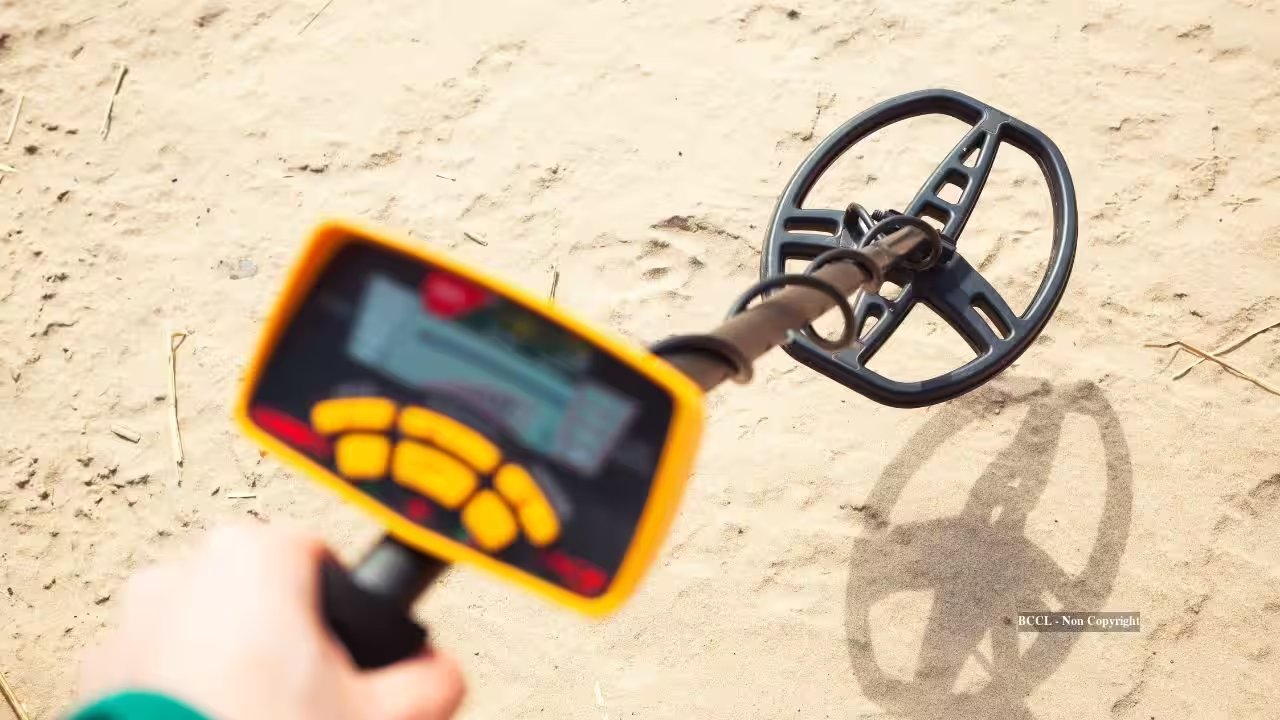
Hours into the final stretch of a multi-day sweep in mid-October, the prospector swept a Gold Monster 2000 detector across hardpan earth. The machine gave only a muffled tone. Most outback signals unearth discarded lead shot, rusty horseshoes, or shearers' nails from the nineteenth century. Yet as the prospector cleared roughly 100 millimetres of topsoil, the detector's iron discriminator began squealing. A hand trowel exposed a gleam of raw yellow metal wedged among red clay and quartz chips.
He thought it was a painted rock. It was not.
| Specimen Parameter | Verified Metric |
|---|---|
| Gross Weight | 1,218 grams |
| Pure Gold Content | ~940 grams |
| Recovery Depth | ~100 millimetres |
| Spot Market Value | A$150,000 – A$160,000 |
| Estimated Specimen Value | Up to A$200,000 |
Far-western New South Wales has drawn prospectors since gold strikes first hit the Albert Goldfield around Tibooburra in the 1880s, where desert heat and water scarcity drove early miners to dry-blow the dirt. Modern electronic detectors have triggered a quiet resurgence, boosted by wild spikes in global bullion that saw Australian gold prices touch near-records of A$8,000 per troy ounce earlier this year before steadying near A$5,700.
"In more than twenty years selling prospecting gear, I have seen only one other person bring in a nugget heavier than a kilo," said Greg Spangler, a veteran prospecting supplier based in Broken Hill. "Most fossickers spend seasons chasing flakes or quarter-ounce bits. But out here, every heavy downpour washes topsoil away, exposing ground that hasn't seen daylight in centuries."
Yet access to the goldfields remains tightly contested. Fossicking on the Tibooburra Common—the expansive public parcel encircling the township—remains prohibited while authorities process regional Native Title determinations. That regulatory freeze has funnelled detectorists onto surrounding private pastoral leases, including Mount Stuart Station and Gumvale, which admit fossickers for daily access fees.
The finder is now assessing private auction offers for the specimen, looking to sell directly to mineral conservators rather than liquidating the historic piece at a commercial refinery furnace.