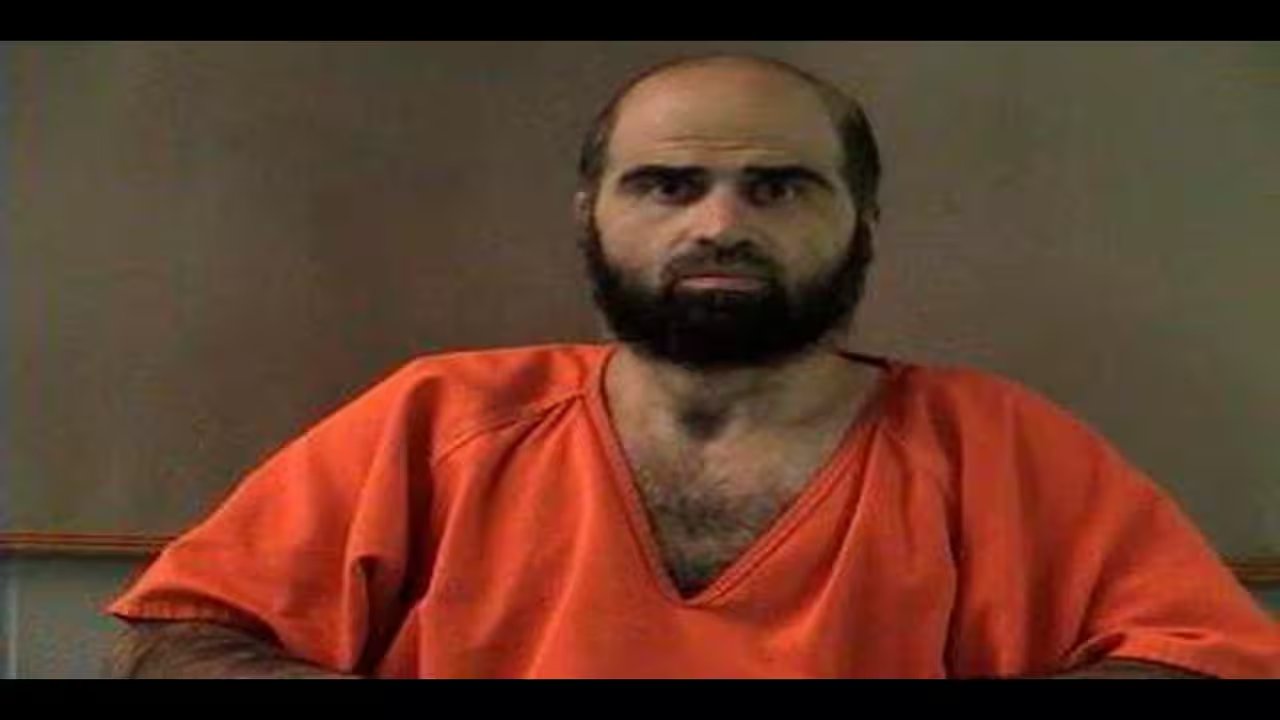
The decision to televise the execution surfaced after Defense Secretary Pete Hegseth floated the idea last week, splitting lawmakers on both sides of the aisle.
The shooting at Fort Hood in 2009 saw 13 soldiers killed and 32 wounded; Hasan, a former Army psychiatrist, survived the attack and now uses a wheelchair.
Mullin, speaking on CBS News’ Face the Nation, insisted there was no heightened risk and that viewers could choose whether to watch. He added, "If you attack America, we will come after you, and we will make sure that the punishment fits the crime."
Critics countered that a live broadcast could serve as propaganda for extremist groups and elevate the risk for U.S. personnel abroad. Senator Lisa Murkowski described the proposal as "gruesome" and warned it might grant Hasan the martyrdom he sought. Senator Mark Warner echoed the concern that a public execution could fuel radicalisation and endanger American diplomats overseas.
The execution, scheduled for December 3, would be the first U.S. military firing‑squad execution since World War II and the first public execution in the country in nearly a century.
President Trump has not yet made a final decision on whether to air the event, but his support for the concept keeps the debate alive as the date approaches.
A family member of one of the Fort Hood victims said the idea of watching the execution would be "too painful" and that the focus should remain on justice, not spectacle.