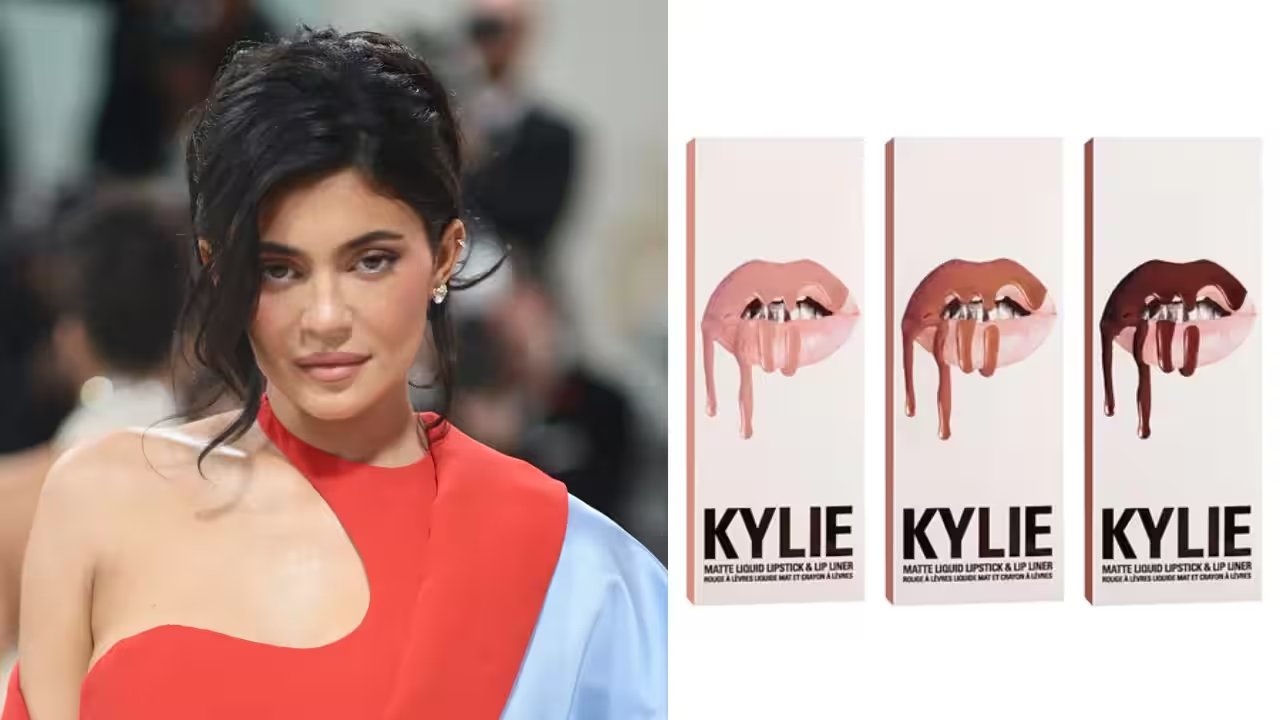
The deal is done. On November 18, 2019, Coty agreed to buy 51% of the Kylie Jenner partnership for $600 million. It's a massive number, but look at the revenue: Kylie Cosmetics generated an estimated $177 million in net revenues over the preceding twelve months. That’s the math that convinced Coty’s board. They aren't just buying a brand; they're buying a direct line to a 270-million-strong audience across social media channels.
Jenner keeps the creative reins. The agreement is clear: she and her team lead all creative efforts in product and communications. Coty handles the heavy lifting—manufacturing, distribution, and R&D. This is a smart split. Jenner's 2015 debut with the lip kit was a sell-out success, but scaling that to a global luxury retailer presence is a different beast. Now, with Coty's infrastructure—seven manufacturing sites and sales in over 120 countries—the brand can push into new categories like skincare and fragrances without Jenner needing to build a supply chain from scratch.
The financial projections are aggressive. Coty expects this deal to add more than 1% per year to the net revenue growth of its core portfolio over the next three years. They anticipate the return on invested capital will exceed their cost of capital by fiscal year 2023. For a company with $5.8 billion in annual revenue, this is a strategic move to stay agile in a fast-moving market. It’s a bet that digital-native growth can outpace traditional beauty marketing.
If you’re following the industry, this sets a precedent. The barrier to entry for beauty brands has dropped, but the barrier to exit (or scale) has never been higher. Seeing a self-made billionaire (Forbes named her the youngest in August 2018) team up with a 115-year-old Paris-founded giant shows where the money is flowing. It’s no longer just about the influencer; it’s about the infrastructure behind the influencer.