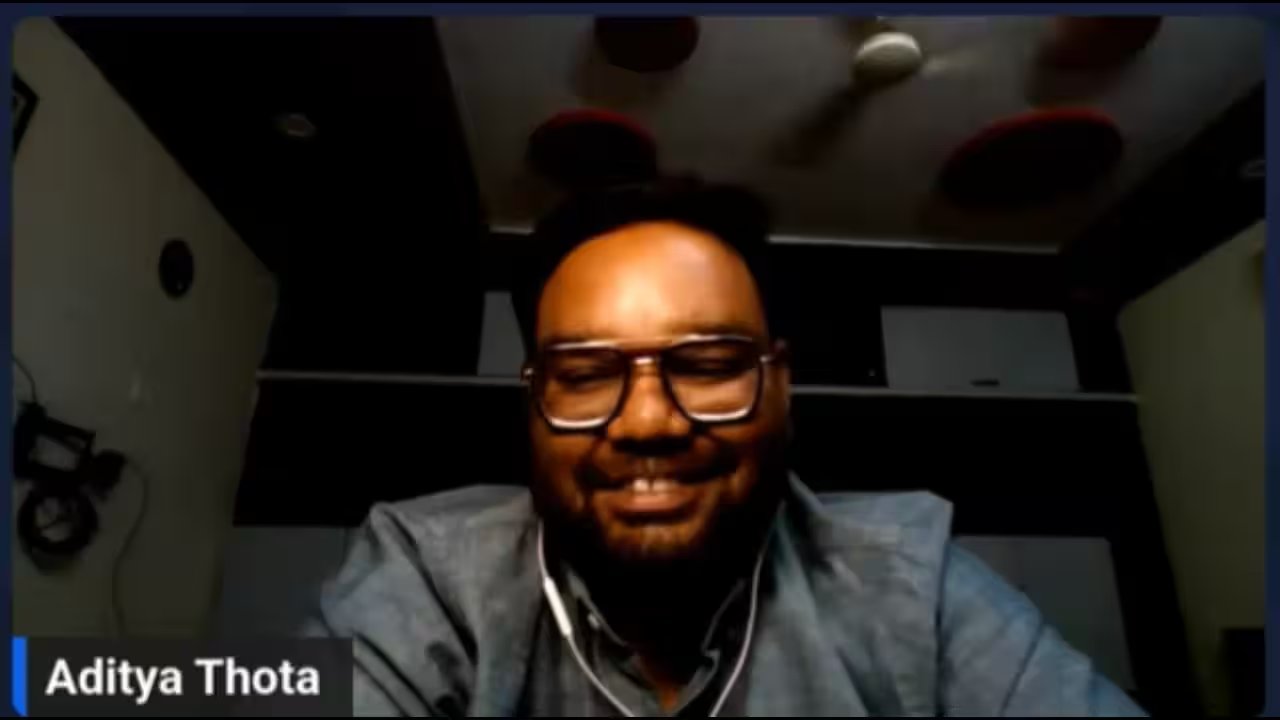
Aditya Kumar Thota was sitting in a Capital One office in July 2025 when HR handed him the layoff notice. It was the very last day of his Optional Practical Training (OPT) window. He walked out with no visa status, no backup sponsorship, and a growing list of ghosted recruiters who had cited 'visa issues' after the Trump administration floated a $100,000 H-1B fee. The fee is currently blocked by court orders, but the uncertainty had already frozen hiring pipelines for Indian nationals.
Thota spent the next six months in limbo. He received multiple offers between July and November 2025, yet not a single one materialized because companies refused to take the sponsorship risk. He waited for the March 2026 H-1B registration window. It didn't work out. So, he packed his bags. His decision was pragmatic, not desperate. His family in Hyderabad had a house, and he had savings that weren't eroding by the rent of his US apartment.
He landed in India without a job but started an aggressive search immediately. Within 40 days, Dun & Bradstreet offered him a project manager role. He accepted. "I was not living there, I was just surviving," Thota told Pritesh Jagani on a recent podcast. He now lives with his parents in Hyderabad. His savings are growing, not shrinking. The only things he misses about the US, he admits, are the weather and the traffic.
His story cuts against the grain of the typical 'return to failure' narrative that dominates tech forums. Thota advises struggling students: don't view the exit as a defeat. "Things are not in our hands. At the end of the day, it is you who has to live with yourself," he said. The next cohort of OPT expirations hits in August 2026, and with H-1B lottery odds remaining under 10%, Thota’s 40-day turnaround may become the blueprint for a new wave of returnees.