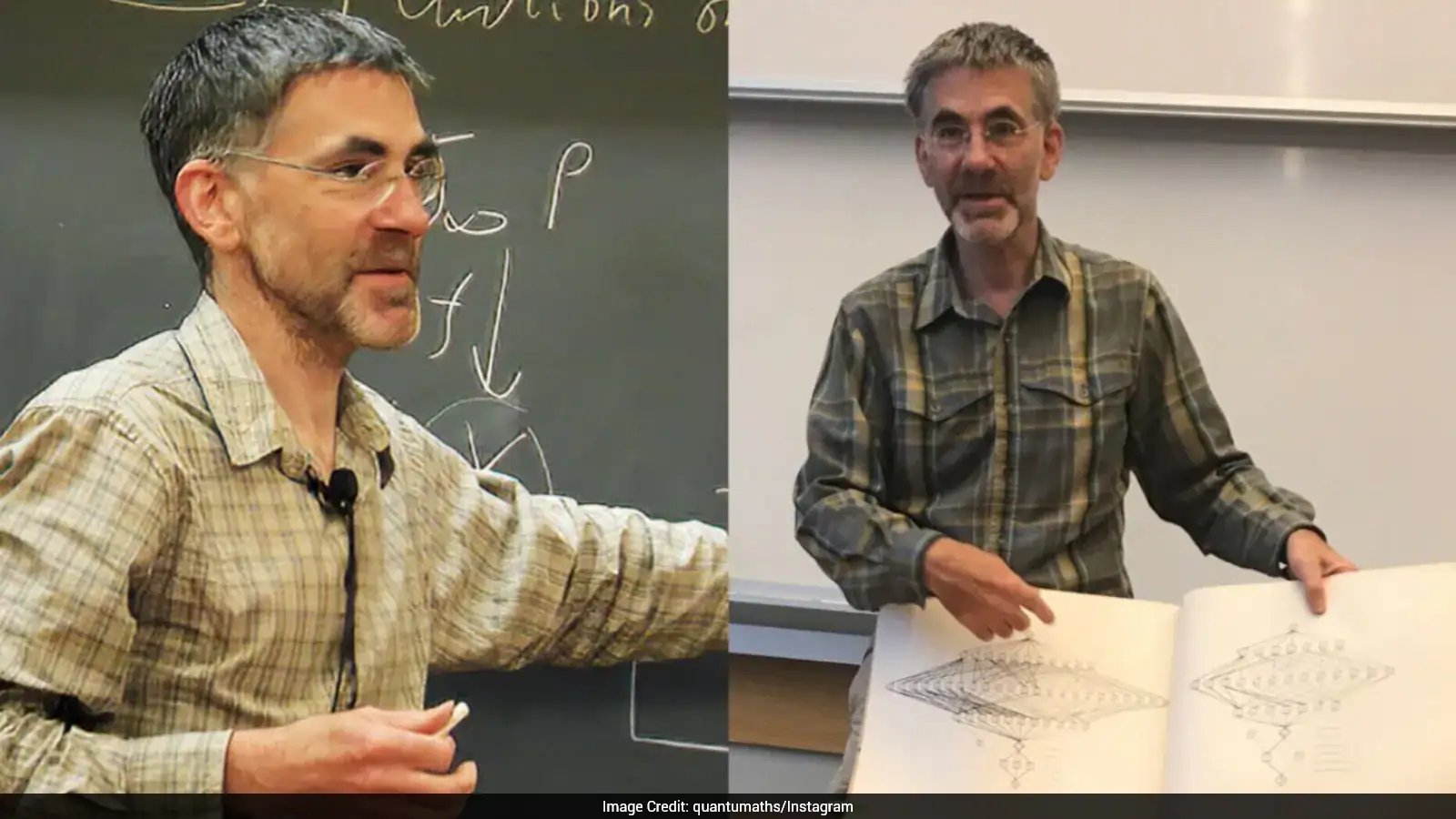
The Fields Medal‑winning mathematician, Richard Borcherds, told the California Post that the rise of AI has rendered traditional homework grading ineffective. He said that awarding points for correct answers could inadvertently reward students who rely on AI instead of solving problems themselves.
Borcherds added that AI tools have become so sophisticated that distinguishing student work from machine output is increasingly difficult, leaving instructors uncertain about fairness.
He warned that if AI continues to improve at its current pace, it could perform every task currently handled by human mathematicians, potentially reshaping the discipline.
In light of the surge, UC Berkeley has issued guidance urging faculty to spell out AI policies in syllabi, and has reviewed tools like Turnitin and Rumi, though it declined to mandate them campus‑wide.
Borcherds now relies on in‑person examinations to assess students, stating that online tests are compromised by AI‑driven answers and that average scores have risen noticeably in remote settings.
The professor will monitor the impact of this grading overhaul on student learning, while the university prepares to roll out a campus‑wide framework for AI usage by the end of the academic year.