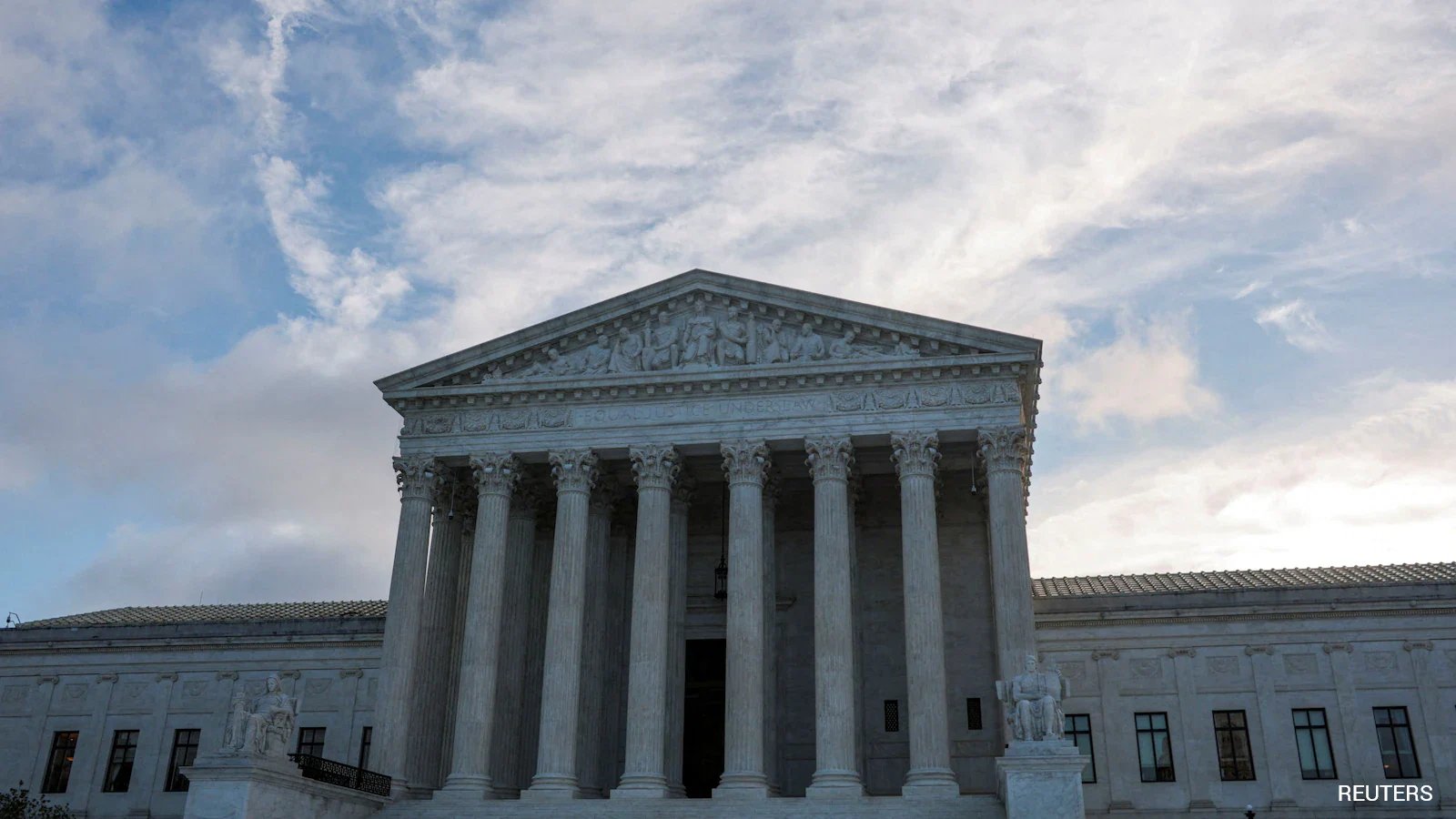
The Supreme Court issued a brief order on Wednesday refusing to grant the Trump administration an immediate stay to enforce new medical restrictions on transgender inmates in federal prisons. The decision leaves in place a lower-court block that prevents the Bureau of Prisons from halting hormone therapies, surgeries, and social accommodations like makeup and wigs. Justices Samuel Alito and Clarence Thomas dissented, arguing the policy should be enforceable while the lawsuit proceeds in lower courts.
The restrictions stem from an executive order signed by President Donald Trump, which directs the Bureau of Prisons to prevent federal funds from being used "for the purpose of conforming an inmate’s appearance to that of the opposite sex." The administration argued that continuing these treatments raised security concerns and could no longer be justified. However, the Justice Department has not provided specific evidence of security problems linked to hormone therapy, a practice that has been standard in federal prisons for 30 years.
US District Judge Royce Lamberth, who initially blocked the policy, emphasized the medical risks of abrupt discontinuation. Lamberth, a nominee of Republican President Ronald Reagan, noted that untreated gender dysphoria can lead to severe depression, anxiety, and suicidal thoughts. A divided appeals court panel subsequently upheld Lamberth’s order, citing the lack of substantial evidence supporting the government’s security claims.
Approximately 600 inmates were receiving hormone therapy in 2025, according to court records submitted by the agency. Aditi Shah, a staff attorney at the ACLU of Washington, DC, stated that the Supreme Court’s ruling will prevent "serious and irreparable harm" to the plaintiffs. The Justice Department did not immediately respond to messages seeking comment on the decision.
This marks a rare instance where the conservative-majority court has blocked a Trump administration policy affecting transgender rights, having previously allowed restrictions on military service and passport sex markers to proceed. The legal battle will now return to the lower courts, where the ACLU and inmate plaintiffs will continue to challenge the government’s efforts to deny medically necessary healthcare.