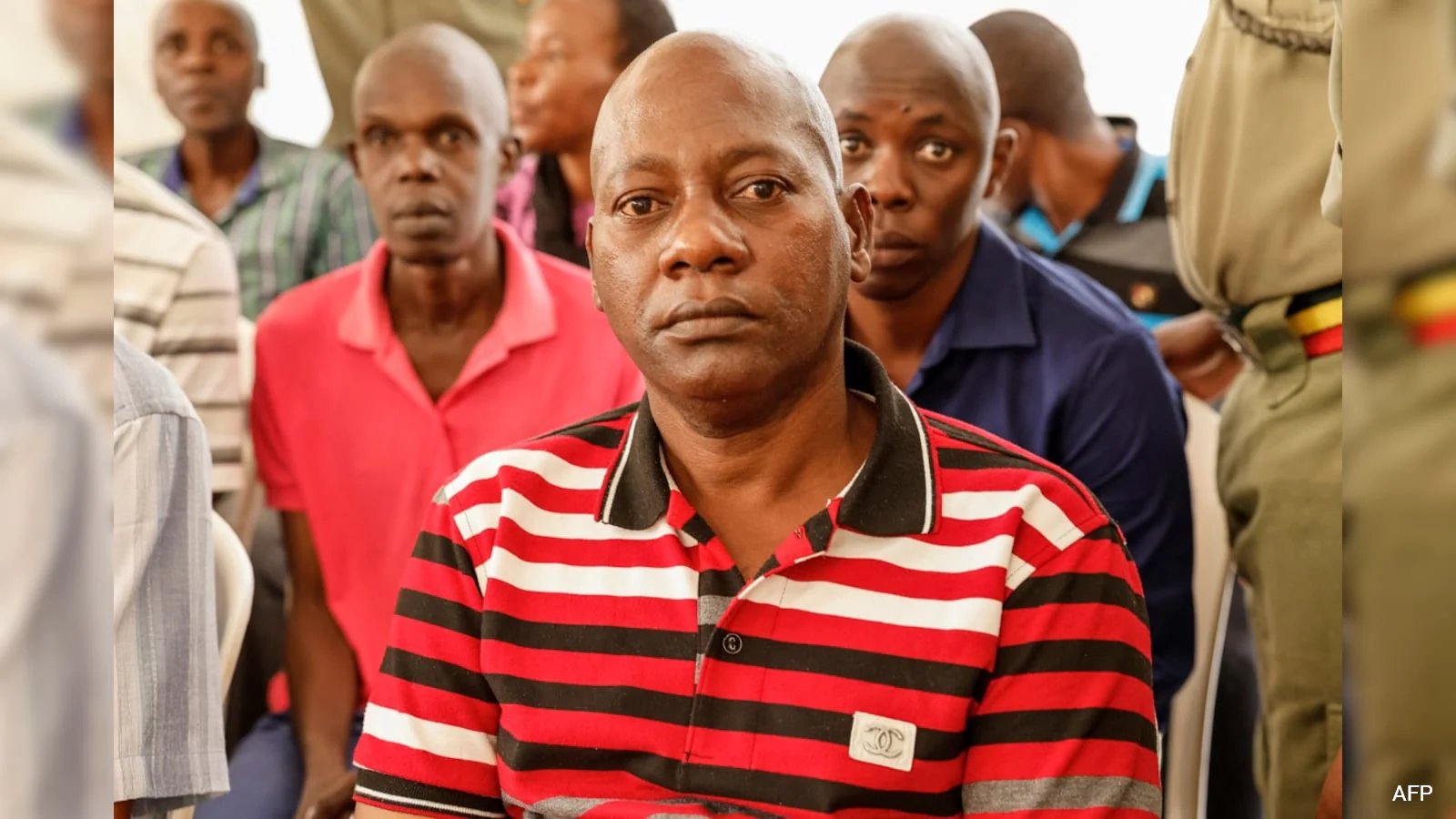
Paul Mackenzie, the self‑styled pastor of the Good News International Church, was sentenced to life imprisonment after a Kenyan court found him and 28 accomplices guilty of 190 murders in the Shakahola Forest massacre. The verdict, delivered in a Mombasa courtroom on 28 April, came after forensic teams uncovered over 400 bodies, most of them children, in the 800‑acre ranch that had been used as a death camp.
The prosecution presented evidence that Mackenzie orchestrated a strict fasting regime—labelled a "structured hierarchy of death"—in which children were forced to starve first, followed by teenagers, women, and men. Starvation was the declared cause of death in 72 cases, while asphyxiation, manual neck compression, and traumatic head injury were noted in others. Even for 110 bodies whose cause of death remained unascertained due to decomposition, the court inferred starvation as the likely cause, citing circumstantial evidence.
Judge Diana Kavedza Mochache highlighted that the cult’s isolation tactics had driven mothers to starve their own children, describing the phenomenon as "evil of radicalisation." She noted that the victims’ families, many of whom could only travel from rural coastal communities, were present at the hearing, with relatives like 62‑year‑old Francis Wanje, who lost eight family members, expressing a mix of relief and ongoing grief.
Mackenzie’s defence lawyer, Lawrence Obonyo, called the verdict perplexing and said the defendants would appeal, asserting confidence that the ruling would be overturned. The prosecutor’s office, led by Director Renson Ingong, praised the conviction as a "momentous" achievement, stressing that such a large-scale judgment is not common.
The next step is the sentencing on 6 November 2024, where the court will determine the precise penalties for Mackenzie and the other defendants. Meanwhile, Kenyan authorities are tightening regulations on religious organisations in response to the case, citing the repeated arrests and releases of Mackenzie in prior years.
The Shakahola Forest remains a grim reminder of the cult’s brutality, with ongoing excavations still uncovering unidentified victims. Families and activists are calling for comprehensive reforms to prevent similar tragedies, while the international community watches Kenya’s judicial response with keen interest.