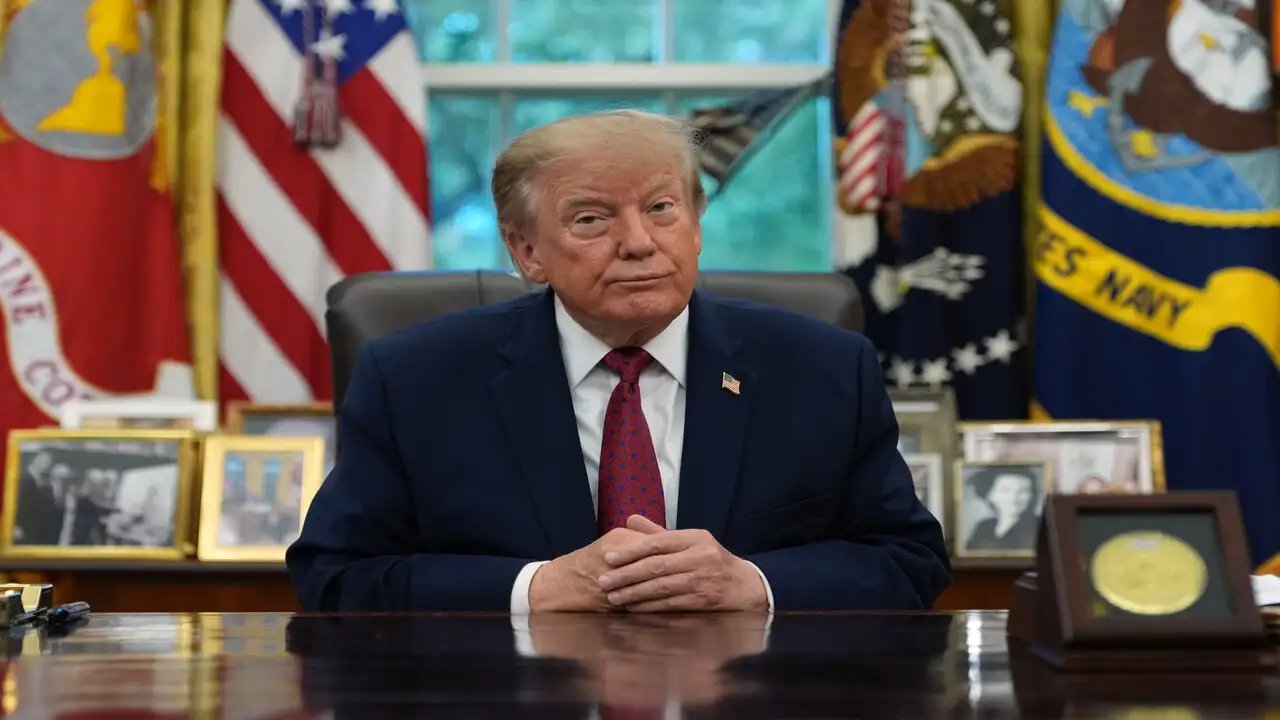
Trump stood in the Oval Office on Thursday and dropped a warning that landed with the weight of a sledgehammer. He told reporters he would prefer not to "destroy the rest of the country," but added, "maybe I’ll have to. You will know soon enough." It was a direct escalation from previous diplomatic posturing, framing the choice as binary: submission or total dismantling.
The President tied this threat directly to Iran’s nuclear ambitions, claiming, "They're not doing anything without our approval." That assertion ignores the complex realities of Tehran’s clandestine infrastructure, but it sets the stage for a potential new phase of the conflict. For eight months, the war has simmered, and now Washington is signaling it may be ready to boil over.
The political backdrop is ugly. Republicans just lost the midterm elections, and the post-mortem is brutal. Voters are fed up. Fuel prices are spiking. The conflict, which many Americans see as a bottomless pit of spending and blood, became a liability. Trump had threatened to resume large-scale strikes if Tehran didn’t agree to a settlement on Washington’s terms. Now, with the electoral checkmate behind him, the leverage feels different. He doesn't need to worry about the next election cycle; he only cares about the next headline.
Tehran has not yet responded to the latest threat. The next 48 hours will determine if this is another empty bluster or the prelude to a catastrophic strike. Markets are watching. Diplomats in Geneva are scrambling. But for now, the ball is in Trump’s court, and he’s holding it high.