Hurricane Polo, the sixth named storm of the season, slammed into Baja California Sur in the morning with 110‑mph sustained winds before crossing the Gulf of California and weakening into a tropical storm over the desert interior. The National Hurricane Center noted the system’s rapid loss of tropical characteristics, yet its moisture plume continued to travel northeast, spilling into the United States as a potent rain band.
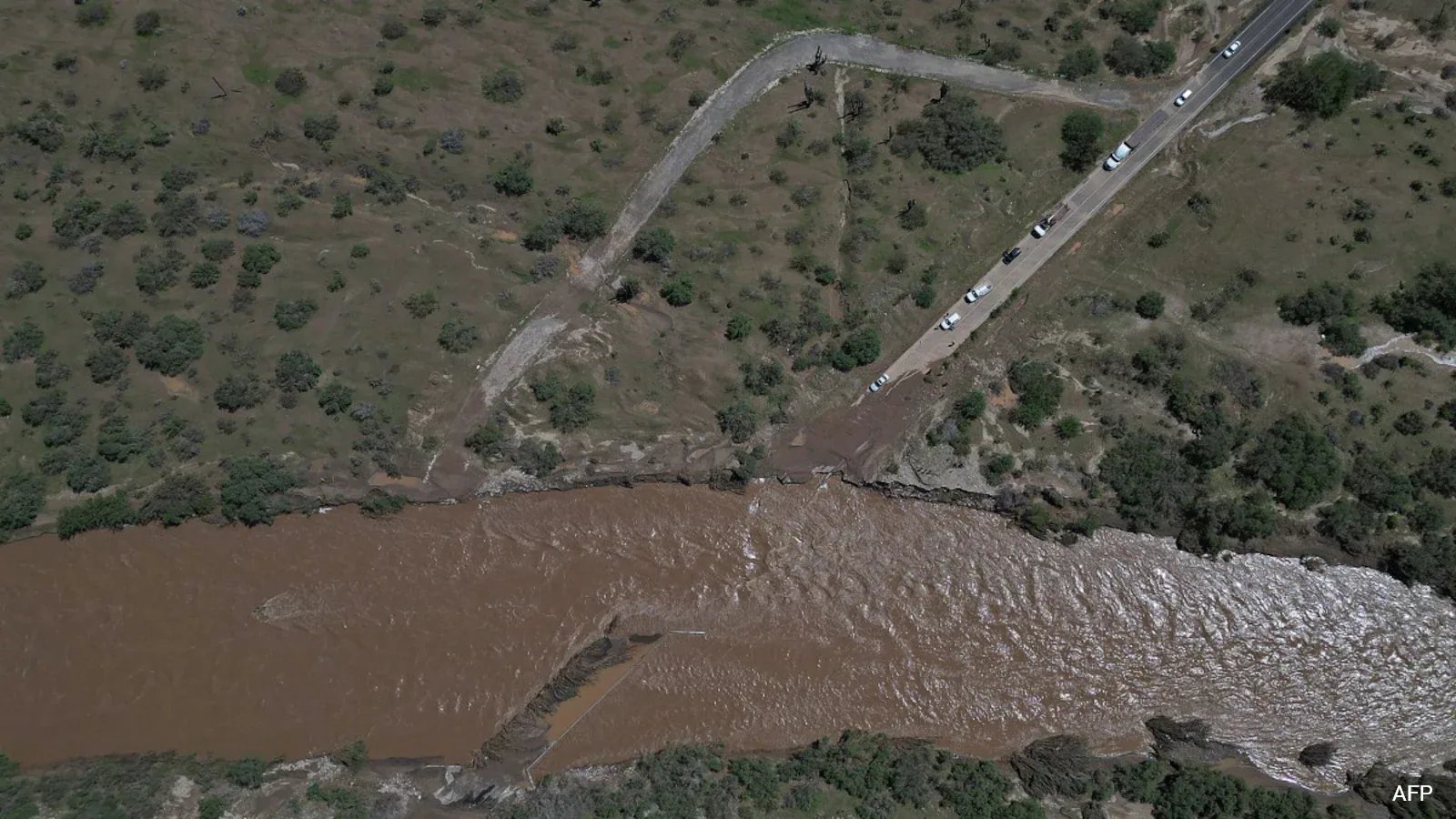
By Tuesday evening, the New Mexico Department of Transportation reported multiple flooded highways and debris blocking routes across the state, while parts of Arizona experienced saturated soils that produced sudden flash flooding. Maricopa County sheriff’s office said a truck was swept away in a wash north of Phoenix, and a helicopter rescue was mounted for a vehicle stranded in floodwater west of the city.
The storm’s impact forced the evacuation of hundreds of residents in three small communities—Rincon, Salem and Garfield—along the Rio Grande, where a concrete dam faces potential overtopping. Local officials warned residents to seek higher ground “before conditions worsen,” and a separate alert was issued for the town of Hatch, famous for its green chile crops, as well as for Placitas.
Beyond the immediate damage, the National Weather Service forecast that the flood risk will migrate into the central United States, with Oklahoma, Texas, Colorado, Kansas, Nebraska and Iowa entering flood watches through Thursday. Carter Greulich, a meteorologist with the agency, cautioned that the unusually soggy September had saturated the desert’s thin soils, turning light rains into rapid runoff.
In Baja California Sur, shopkeeper Elbia Maria Bachomo—who fled her home with her three children to a shelter—reported that her house was partially flooded but her family survived. The storm’s destruction left hundreds of people in temporary shelters, but most are expected to return to their homes once the waters recede.
The National Weather Service will continue to monitor the remnants and the status of the threatened dam, issuing new advisories as rainfall accumulates. Authorities in New Mexico have set up emergency operations centers to coordinate rescue and repair efforts, and the U.S. Army Corps of Engineers has been notified to assess the dam’s integrity.