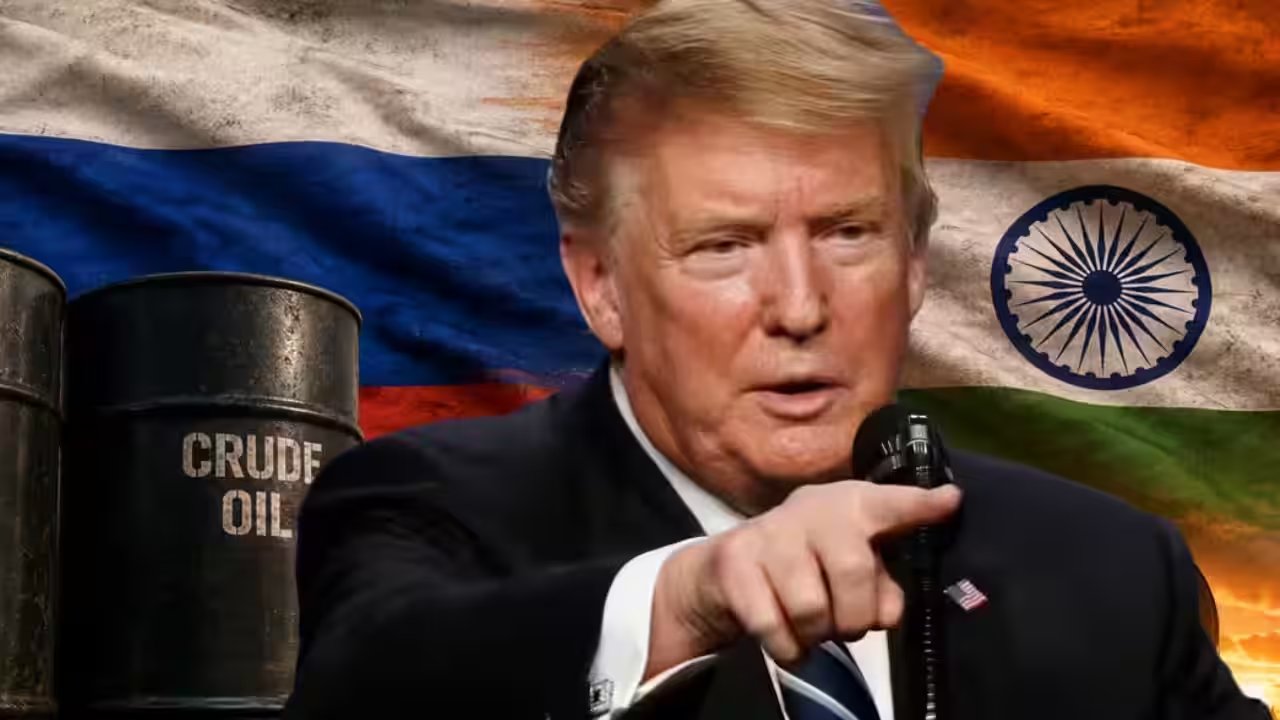
The House of Representatives voted 262-159 on Wednesday to pass the Lindsey O Graham Sanctioning Russia and Iran Act of 2026. This legislation arms President Donald Trump with the legal authority to impose tariffs as high as 100% on the five largest importers of Russian oil and natural gas. India and China sit at the top of that list, making them the primary targets of this economic pressure.
The bill does not automatically trigger these penalties. It creates a conditional framework where the President can activate the tariff hammer if major buyers continue to support Moscow’s energy revenues. An exception exists for nations importing less than 15% of Russia’s natural gas exports that have demonstrably reduced their purchases. For New Delhi, which has maintained steady crude imports from Russia, this represents a significant escalation in trade friction.
The measure expands existing sanctions on Russian officials, banks, and the "shadow fleet" vessels that keep Russian energy moving despite Western restrictions. It also extends sanctions on Iran for five years. The package was named after late Senator Lindsey Graham, who spent over a year negotiating the terms. Graham secured Trump’s backing by incorporating the President’s push for extended Iran sanctions, a move that helped overcome previous White House resistance to further Ukraine support.
Democratic opposition focused on the breadth of Trump’s new tariff powers. Rep. Gregory Meeks, D-N.Y., warned that the President’s history of using tariffs against European allies makes this provision dangerous. Rep. Don Beyer, D-Va., argued that if Trump uses these powers against US partners, it would deliver a lasting propaganda victory to Putin. Despite these concerns, Rep. Steny Hoyer, D-Md., framed the vote as necessary to avoid cheering in the Kremlin and tears in Kyiv.
The Senate had already approved the bill 86-11 on August 7, but House action stalled until this week due to disputes over the tariff provisions. Ukrainian President Volodymyr Zelenskyy lobbied House lawmakers directly, arguing that imperfect action is better than inaction during wartime. With the House vote complete, the bill goes to Trump’s desk. If signed, the administration gains a new mechanism to raise the cost of Indian goods entering the US market, potentially forcing New Delhi to reconsider its energy procurement strategy.