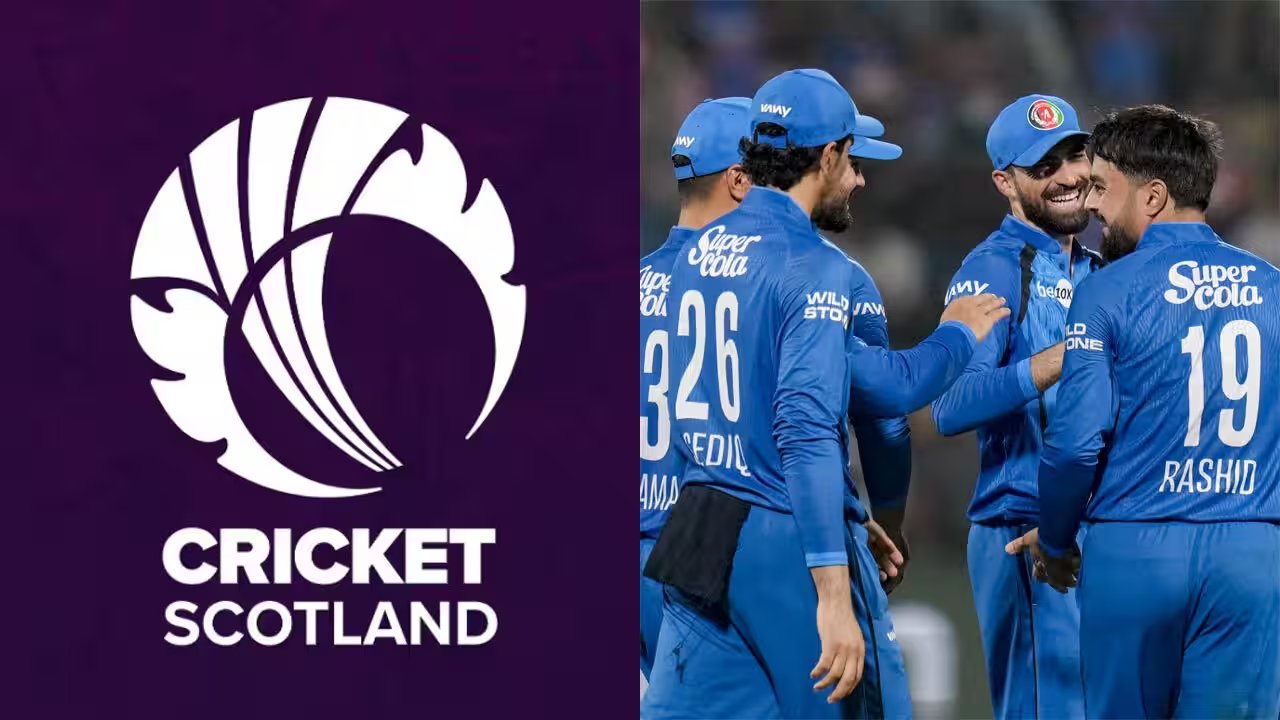
Cricket Scotland slammed the door shut on bilateral cricket ties with Afghanistan, refusing to play or host the men's national side outside mandatory International Cricket Council tournaments.
The board drew a firm line. Driven by the Taliban regime's systemic erasure of women’s sports since seizing power in 2021, the Scottish governing body announced it will scrap bilateral series, refuse tri-series invitations, and block pre-tour training camps until Afghan female athletes are restored to the pitch.
The standoff followed two direct overtures from Kabul that were flatly turned away. The Afghanistan Cricket Board approached Scottish administrators in July seeking training facilities ahead of a men's series against Ireland. A second application arrived in September to support the Afghanistan Premier League. Cricket Scotland turned down both bids during a meeting of Cricket Scotland Council Limited, citing operational boundaries and core policy values.
The boycott aligns Scotland with Cricket Australia and the England and Wales Cricket Board, both of whom previously severed bilateral ties with Afghanistan over human rights violations. For the Scottish board, the conflict cuts directly into domestic policy. Expanding women’s and girls’ cricket stands as one of Scotland’s four central strategic priorities—a target wholly incompatible with hosting an administration that outlawed women's access to sports, higher education, and employment.
Yet the policy stops short of a complete sporting embargo. In official ICC tournaments, where strict participation regulations govern fixtures, Scotland’s men will take the field against Afghanistan if drawn together. Domestic stars bound to franchise cricket will also retain clearance to earn a living; Cricket Scotland confirmed it will grant no-objection certificates if the ICC sanctions the Afghan league, though officials stressed that rubber-stamping paperwork does not constitute an endorsement of Kabul's policies.
The freeze remains locked in place. Cricket Scotland committed to reviewing the boycott annually, with no bilateral resumption possible unless international regulators intervene or Afghan women regain the right to play.