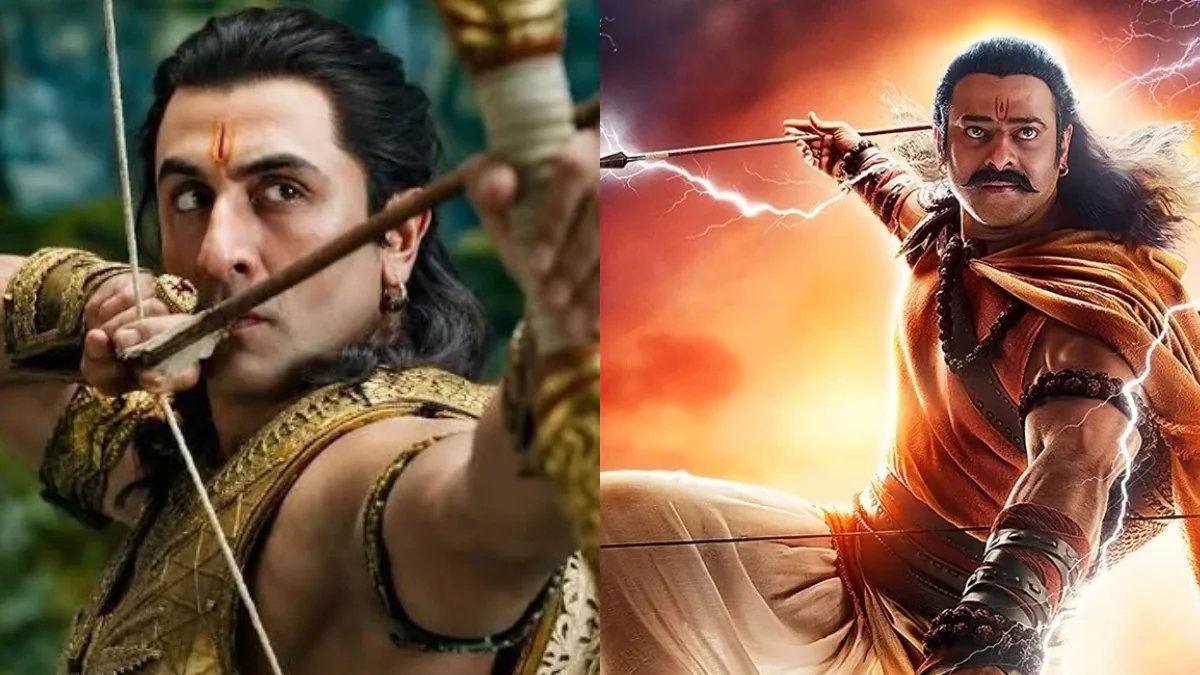
Spectacle demands discipline. Nitesh Tiwari brought both.
Having crossed ₹1,000 crore in worldwide box-office collections, Tiwari's big-screen retelling of the epic has managed something far rarer than raw theatrical velocity: it erased the bitter aftertaste left by Om Raut's misbegotten 2023 misfire, Adipurush. Staring down brutal online scrutiny after early teasers invited immediate comparisons to past visual failures, the film weathered the storm. It delivered where its predecessor faltered, powered by an ensemble led by Ranbir Kapoor as Lord Ram, Sai Pallavi as Sita, and Kannada superstar Yash as Lankesh.
The commercial turnaround was swift and merciless. Ramayana scored the second-biggest opening day in Hindi cinema history before tearing past ₹663 crore globally in five days, proving that audiences were not tired of the epic—they were tired of cut-rate digital trickery.
| Milestone / Feature | Adipurush (2023) | Ramayana (Nitesh Tiwari) |
|---|---|---|
| Worldwide Gross Benchmark | Box-office disaster | Crossed ₹1,000 Crore Worldwide |
| Early Momentum | Crashed following opening weekend | ₹663 Crore worldwide in first 5 days |
| Ravana Visual Concept | Stacked 2D heads, modern spiked hair, leather tunics | 10 distinct facial expressions, intricate crowns, silk drapes |
| Jatayu Battle Sequence | Dark, video-game CGI aesthetics | Daylight dogfight, Pushpak Vimaan, voiced by Anupam Kher |
| Production Timeline (Key Sequence) | Rushed post-production revisions | 6.5 years dedicated to Jatayu battle craft |
No single creative choice exposed Adipurush more ruthlessly than its handling of Dashanan. Saif Ali Khan's demon king was burdened with an awkward, vertically stacked digital cluster of heads that looked like an unpolished mobile filter. The internet turned it into a punchline within minutes. Fear vanished; derision took over.
Yash approached the demon king from the opposite direction. His version of Ravana presents ten distinct facial expressions, mapped across intricate crowns and changing camera angles to telegraph raw intellect alongside towering arrogance. Social media erupted with praise during opening day. Fans singled out the sequence for capturing demonic menace without descending into unintentional parody.
Consider the fate of Jatayu. In Adipurush, the vulture king's doomed intervention became a chaotic blur of murky blues and muddy pixels, drained of pathos. The sequence looked less like an ancient duel and more like a cutscene ripped from an early-2000s console title.
Tiwari took six and a half years to build his aerial dogfight, and the investment shows. The airborne collision between Jatayu—voiced by Anupam Kher—and Ravana aboard the Pushpak Vimaan unfolds in clear daylight. Every wing snap and chariot turn carries tangible physical weight. Instead of a grotesque, bat-like craft, Tiwari restored the classic aerial chariot aesthetic, grounding the scene in classical mythological architecture while staging combat with the visual clarity of top-tier global action cinema.
It took six and a half years to bring that moment to life.
Nitesh Tiwari on the mid-air Pushpak Vimaan battle sequence
The Cultural Calculus: Indian mythological cinema—a tradition spanning 113 years since Dadasaheb Phalke pointed a hand-cranked lens at sacred history—demands reverence for tactile detail. When filmmakers substitute atmospheric gloom for emotional truth, audiences vote with their wallets.
Color tells the story before the actors speak. Raut drowned his production in cold, slate-grey tones and gothic gloom, transforming vibrant mythological kingdoms into generic medieval dungeons. Sone Ki Lanka looked like an abandoned coal quarry.
Tiwari flipped the lighting rig. Ramayana builds Ayodhya and the forests of Panchavati on warm earth tones and golden hues, letting natural sunlight bleed through canopies. Lanka gleams with incandescent brilliance, restoring the legendary "Sone Ki Lanka" description that cultural memory demanded. The contrast extends down to the wardrobe stitching. While social media critics debated the drape of Sita's attire during initial trailer drops, the final print silences pure cynicism: Ranbir Kapoor and Sai Pallavi spend their forest exile wrapped in textured, unadorned handloom garments, while Yash wears heavy temple jewellery, regal silk drapes, and classical armour.
Tiwari took the hardest route available—facing a skeptical audience burned by past excess—and delivered an epic that earned its historic run through painstaking, hand-crafted spectacle.