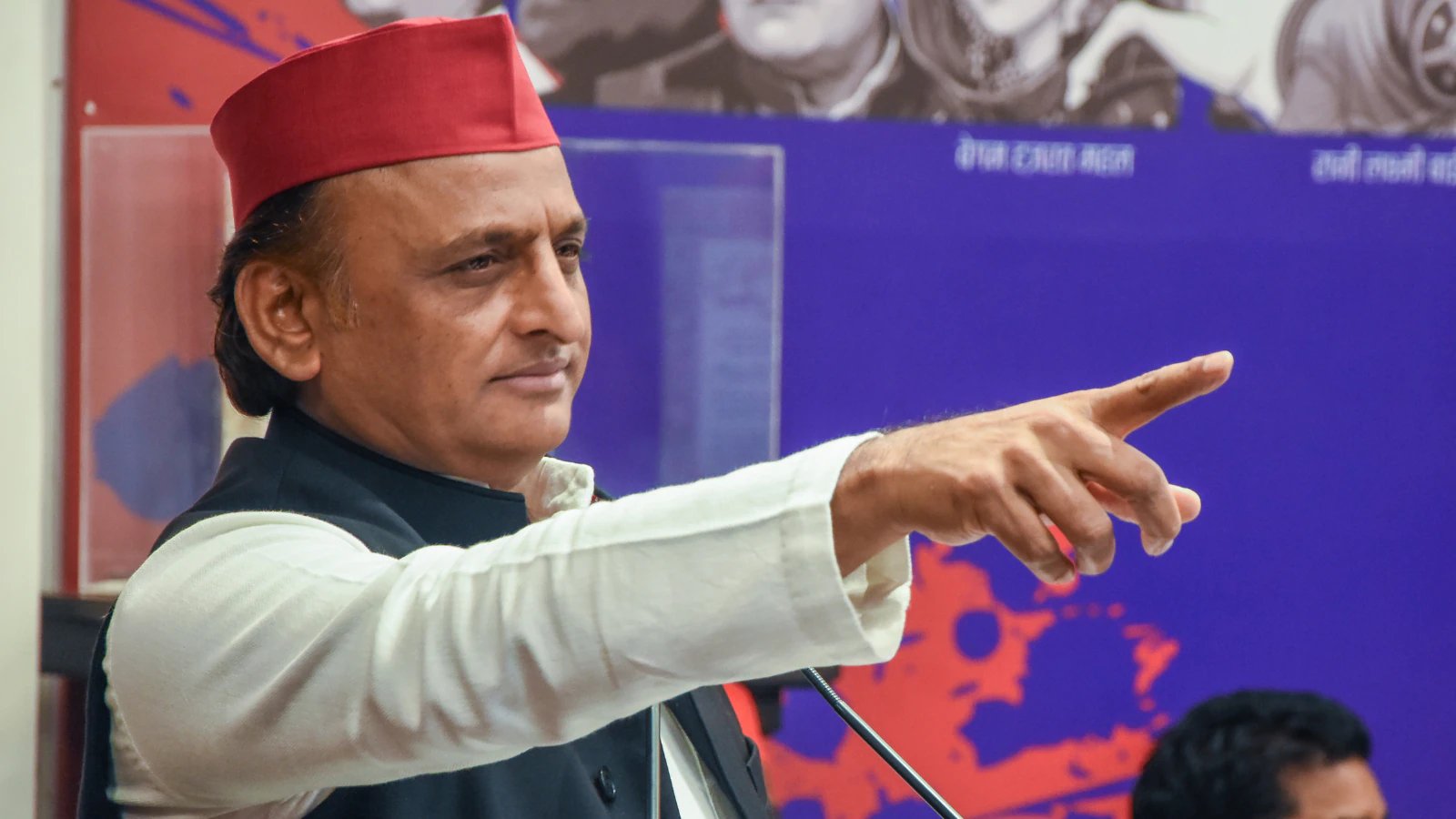
The press conference in Delhi, held on May 24, saw Akhilesh Yadav slam the Election Commission as a "puppet" of the BJP, insisting that they had engineered a 70‑percent vote swing in the 2022 state polls.
Sukhbir Singh Sandhu and Vivek Joshi, two senior Election Commissioners, had earlier raised concerns about the Special Intensive Revision of voter lists, warning that forged signatures and duplicate entries could alter election outcomes; their objections were reportedly dismissed.
Rahul Gandhi echoed Yadav’s call in the same session, calling Gyanesh Kumar a "traitor" and accusing the Commission of undermining the Constitution. The BJP countered, labeling Gandhi a "frustrated leader" who cannot secure support through democratic means.
The Election Commission has scheduled a hearing for June 15 to address the resignation petition, while political analysts warn that a decision could set a precedent for future electoral oversight.
In Uttar Pradesh, a farmer named Ramesh Kumar complained that his name appeared twice on the voter list, a claim that mirrors the wider allegations of manipulation.
As the legal and political drama unfolds, observers say the outcome will signal whether India’s electoral machinery remains impartial or succumbs to partisan influence.