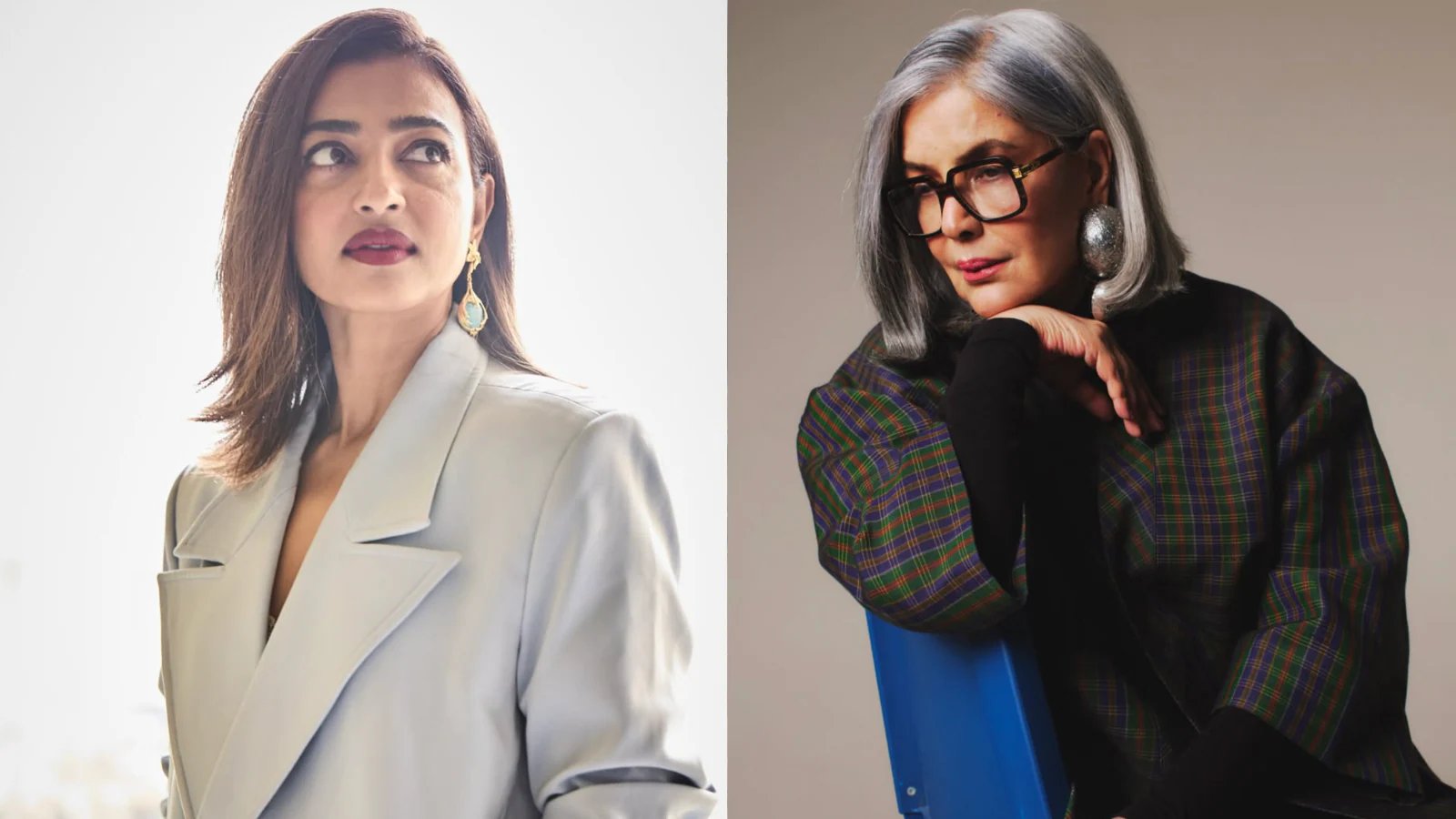
Radhika Apte sat across from a PTI reporter, eyes crinkling when she described the moment she pulled up Zeenat Aman’s reels for inspiration. She wasn’t just copying a look; she was reconstructing a mood, noting how the actress’s razor‑sharp fringe and voluminous curls echoed the grit of 1970s Bombay.
She laughed, saying, “I was staring at her hair, her fringe, and… it was a character reference—just costume and hair.” The wig she wears in Akka is a homage, a nod to the era’s aesthetic, and not a cheap costume trick. The production team even sourced vintage fabrics and cut‑outs that mirror the original films, giving the series a tangible, tactile feel.
But style isn’t the only edge here. Apte is drawn to morally ambiguous roles, preferring shades of grey over neat heroics. “It’s far more interesting than playing a very nice person,” she muses, gesturing at the razor‑sharp rivalry between her Rudra and Keerthy Suresh’s Bhavani. The latter’s sharp wit and ruthless ambition make the underworld feel like a chessboard, while Rudra’s defiant streak adds a rogue twist.
Dharmaraj Shetty, the writer‑director, built a world where women don’t get softened for their gender. He’s a meticulous researcher, weaving real 70s nuances into a fictional crime saga, making every set piece and dialogue feel earned. That authenticity, coupled with a star‑packed cast, keeps viewers glued to the unfolding power play.
Akka will hit Netflix on October 30, and the buzz is already building. Fans can expect a gritty, woman‑centric gangster story that refuses to sugarcoat its brutality. Stay tuned—once the first episode drops, the real test of Apte’s Zeenat‑inspired look will begin.