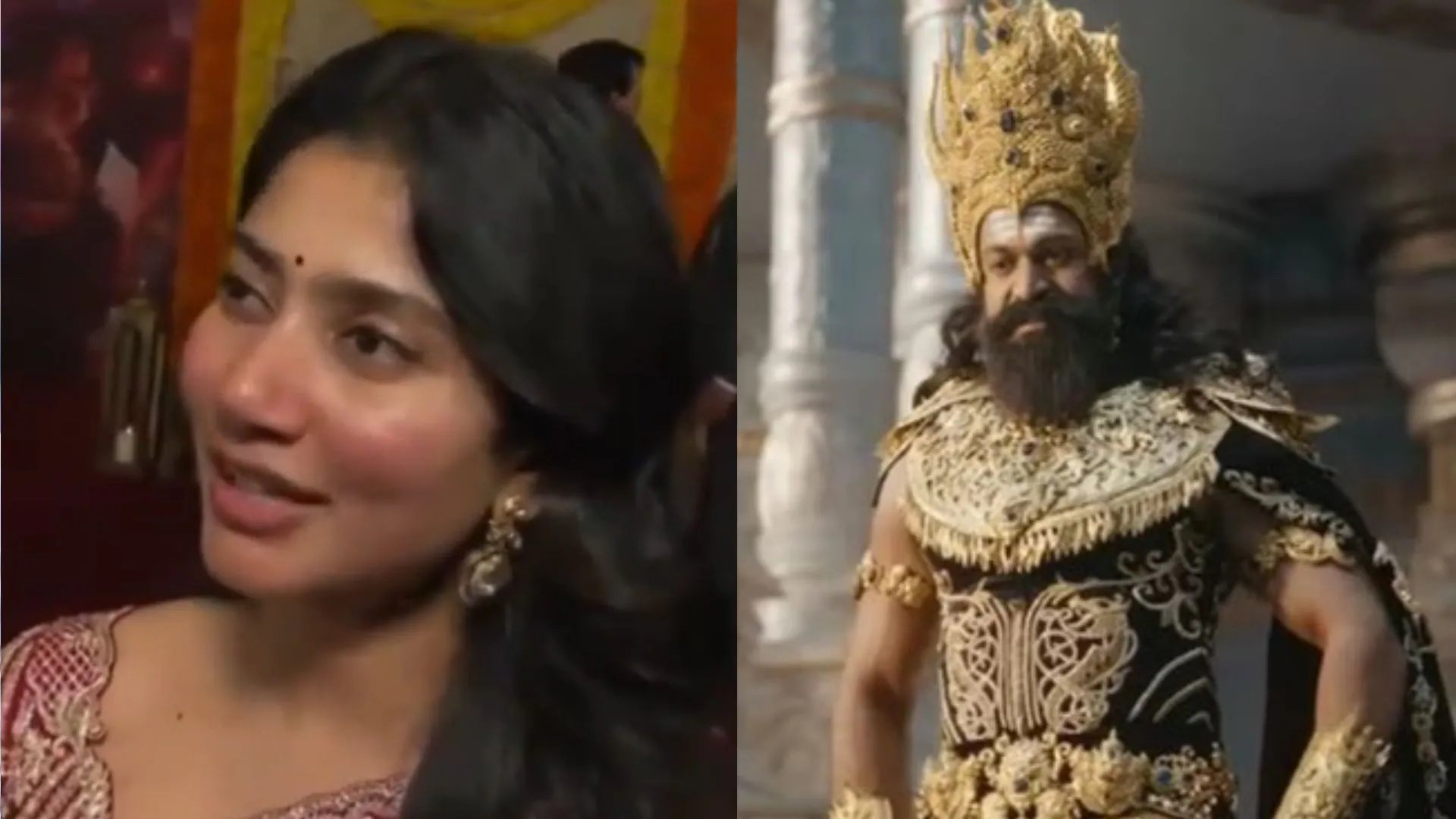
LA’s red carpet glimmered, but the real spectacle was Sai Pallavi’s off‑script line about Ravana—no, not the villain’s evil alone, but the good that can be found in us too. —She said, "Ravana is not all bad…spot the Ravana in us and make changes over time," a line that slipped into a 30‑second clip and exploded on social media.
Some netizens slammed her as glorifying an abductor, while others cheered her for turning a mythic figure into a mirror for self‑reflection. A tweet from @Lonely_Prabhhh read, "Not all bad means a person with some bad qualities and good qualities. It isn’t controversial in my opinion." Another user warned, "A woman praising her abductor…" and a third countered, "People want controversy over everything. She clearly compares Ravana to our inner demon." These back‑and‑forth exchanges turned a promotional event into a cultural debate.
The film itself is a two‑part juggernaut: Ranbir Kapoor, Yash, and Sai Pallavi share a screen that’s already drawing a lot of pre‑release hype. The first installment drops on November 5, 2026, while the second is slated for Diwali 2027. Marketing teams are already playing the controversy like a hook, hoping the drama will translate to footfall.
Whether the internet fire will dampen or amplify box‑office interest remains to be seen, but one thing’s clear: Ramayana is set to stir hearts, spark conversations, and maybe even redefine how we view mythic archetypes in cinema.
So, as the trailers roll and the premiere buzzes, keep your eyes on the screen and your comments ready—because in the age of instant reaction, a single line can turn a film into a national conversation.