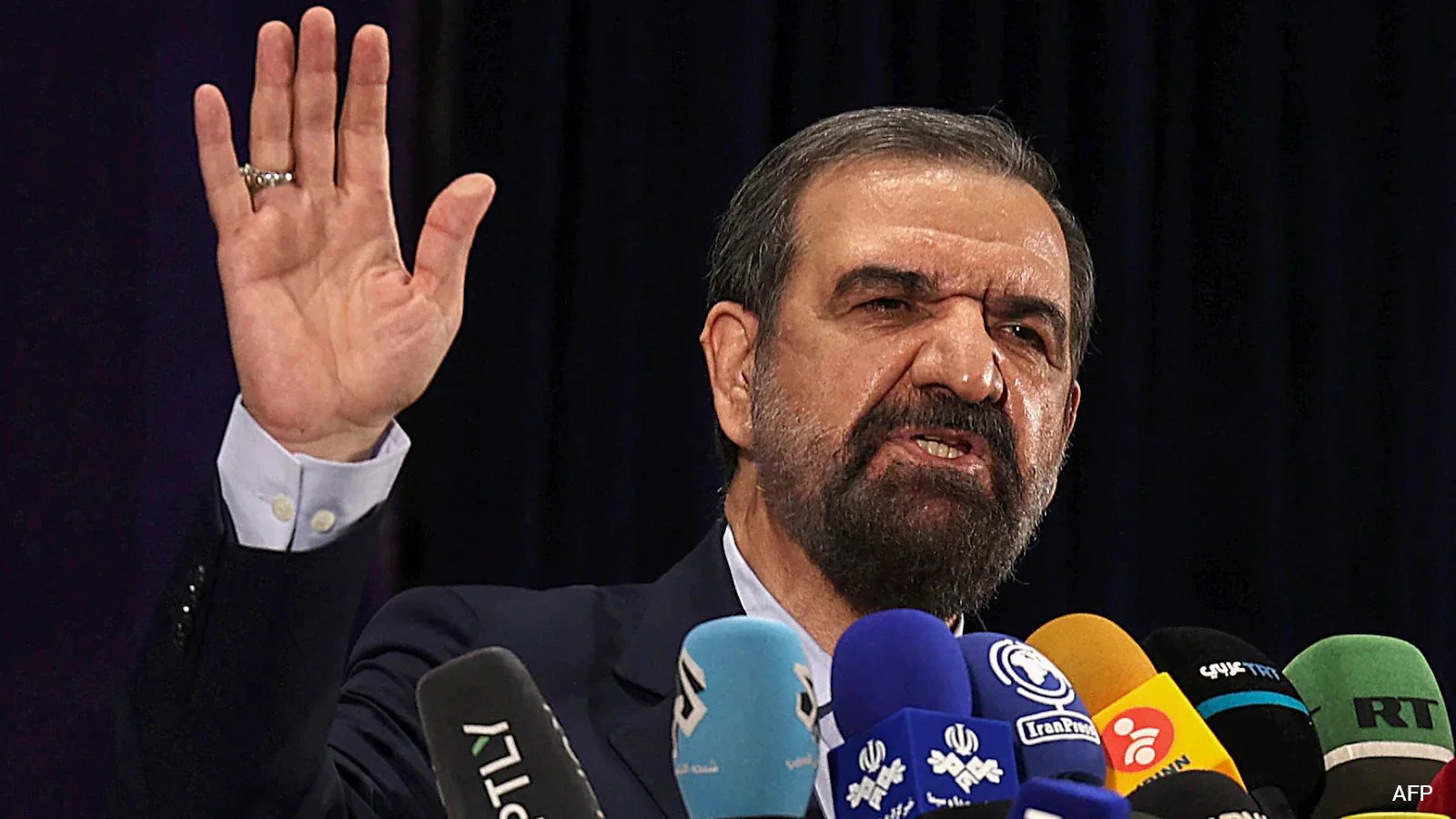
Tehran has drawn a hard line in the sand. Mohsen Rezaei, secretary of Iran's Supreme National Security Council, told Pakistani army chief Asim Munir on Tuesday that not a gram of enriched uranium will cross the border. "Not even a tiny bit of enriched nuclear material will leave Iran," Rezaei stated, labeling the stockpile a "national wealth" intended strictly for domestic use. This stance directly contradicts earlier hints that Iran might dilute its 60% enriched uranium domestically to ease international pressure, but it firmly rules out any third-party custody arrangement.
The rejection came during Munir's visit to Tehran, a diplomatic mission aimed at reviving a stalled peace process. President Masoud Pezeshkian echoed Rezaei's tone, dismissing the idea of negotiating under threat. "Today, our nation does not trust America," Pezeshkian said, arguing that Washington would simply use the talks as a cover for another attack. He demanded the immediate removal of threats and sanctions as a non-negotiable prerequisite for dialogue.
Mohammad Bagher Ghalibaf, Iran's parliament speaker and chief negotiator, reinforced the blockade. He told Munir that Iran has "nothing new to say" until the US meets seven specific conditions, including a ceasefire across the Middle East and the unfreezing of Iranian assets. "Threats and military manoeuvres cannot influence Iran's strategic decisions," Ghalibaf warned, highlighting the depth of the diplomatic rift that has persisted since the June memorandum of understanding collapsed.
The impasse follows a volatile period in the region. The Middle East war erupted in late February after the US and Israel launched surprise strikes on Iran while nuclear talks were ongoing. Since the fragile June deal fell apart, indirect talks at the UN General Assembly have failed to produce a breakthrough. With Pakistan's mediation hitting a wall, the path to de-escalation remains unclear as both sides dig in on their maximum demands.