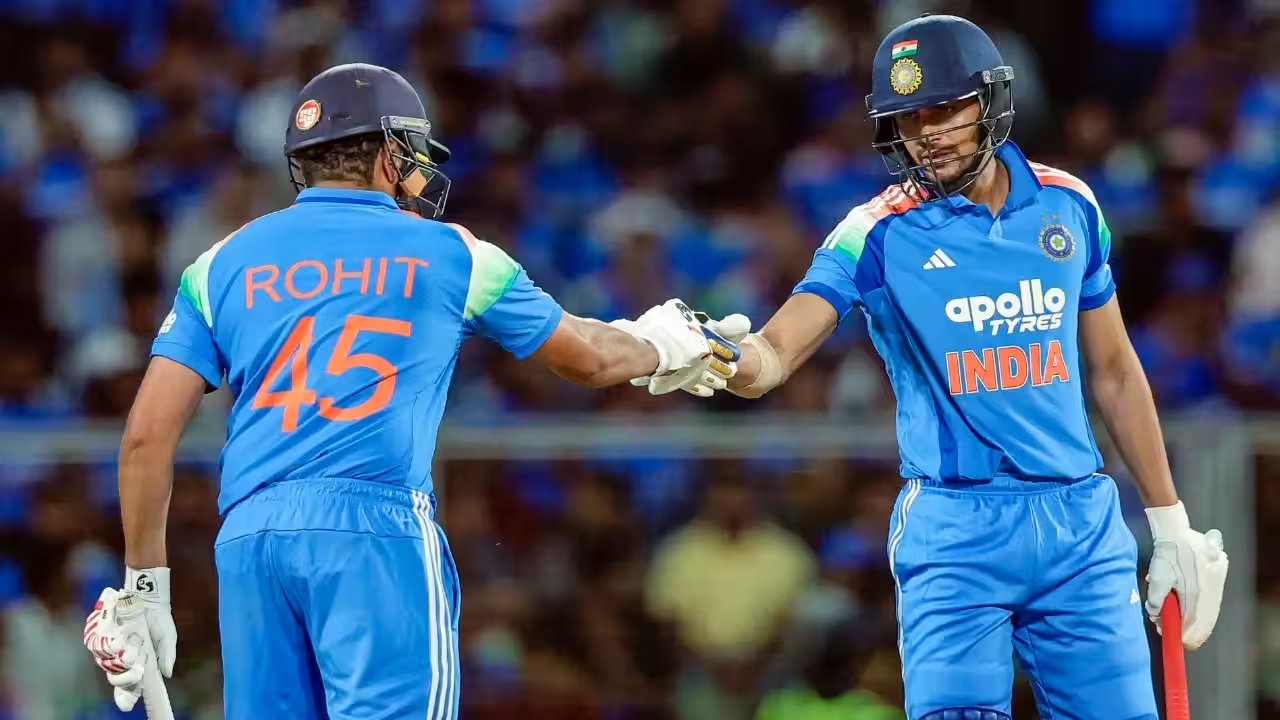
The ODI World Cup in South Africa is looming, and the Indian pace attack looks like a skeleton crew. Shubman Gill, still finding his feet as captain, has made it clear: the era of experimenting is over. "I honestly think there is not that much time to experiment," Gill said, his frustration palpable after the series win over the West Indies in Chandigarh. The message is blunt. The XI that plays in Cape Town needs to be the same one that plays in New Zealand. There is no buffer zone left.
The numbers are stark. Jasprit Bumrah is the only pacer who truly commands a starting spot right now. Mohammed Siraj has lost the trust of the management after a dramatic dip in form. Prasidh Krishna, who was supposed to be the other experienced option, broke down in the second ODI. That leaves the selectors scrambling. They are eyeing Gurnoor Brar as a prospect for the South African conditions, but Brar might be pulled out for the upcoming Test series in New Zealand. That would leave Gill with almost no depth to test.
It’s not just about the new ball. Gill admitted that the middle overs are where the teeth are missing. "Bowling in the power play and in the death have hurt us," he noted, pointing to a series where India chased down 350 despite losing two early wickets. The high scores are a symptom of a lack of wickets. If you don’t break the opposition in the first six overs, the middle overs become a slog with only four fielders outside the ring. Gill wants that intensity back. He wants wickets in the power play and the death, not just runs on the board.
The problem isn’t limited to the front line. The No. 8 slot is a mess. Harshit Rana’s recurring injuries have forced the management to throw in Auqib Nabi and Anshul Kamboj. Both endured rough debuts, conceding over 9 runs per over. Gill is willing to give them time here, acknowledging it’s harsh to judge them immediately. But he’s clear on the requirement: they need to bat. A pacer who can hold up the innings at No. 8 is non-negotiable for the World Cup. "We don’t know who will be fit at the World Cup," Gill said, highlighting the uncertainty that hangs over the squad selection.
Then there’s the fielding. Gill didn’t mince words. "We dropped around seven catches in the series," he said, shaking his head at the sloppiness. Three or four dropped catches in a single match can break a team’s momentum. It makes the bowlers’ job impossible. If the wicket isn’t helping and the fielders are dropping easy chances, the bowlers are left to fight a war alone. Gill wants peak performance in the field, not just on the mound. The margin for error in South Africa is thin. India needs to be sharp.
The next test comes in New Zealand. A five-ODI series, followed by two Tests. The management plans to pull out the Test regulars after the third ODI. That means Bumrah, Krishna, and Siraj might miss the bulk of the ODI schedule. It’s a logistical nightmare for Gill. He has to build the World Cup team with a skeleton staff, knowing that the key players might not be in the mix for most of the run-up. The pressure is on. The clock is ticking. India cannot afford to fumble this.