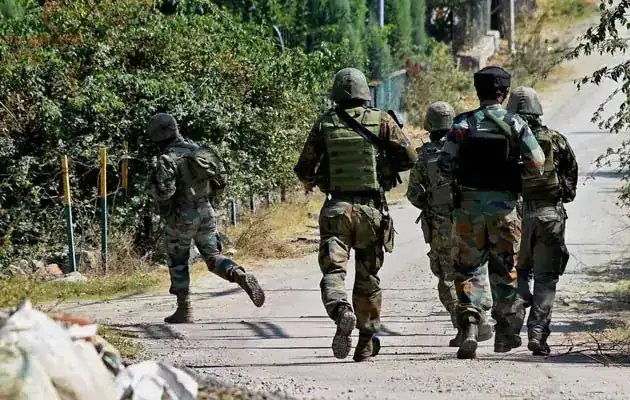
Gazette notifications published on Friday confirmed the central government’s decision to extend the Armed Forces (Special Powers) Act, 1958, in designated pockets of Manipur, Nagaland, and Arunachal Pradesh. The order, effective from October 1, grants military personnel special legal protections in these zones for the next six months. This move follows a fresh review of the prevailing law and order conditions in the region.
In Manipur, the Ministry of Home Affairs expanded the 'disturbed area' declaration to cover the entire state, with specific exclusions. Areas under the jurisdiction of 13 police stations across five districts remain outside the AFSPA’s purview. These exceptions include key locations in Imphal West, such as the Imphal and Lamphel police stations, as well as Thoubal, Bishnupur, and Kakching districts. The remaining areas of the state will operate under the special powers granted to the Armed Forces.
Nagaland faces a more fragmented extension. The Act now applies in full to nine districts: Dimapur, Niuland, Chumoukedima, Mon, Kiphire, Noklak, Phek, Peren, and Meluri. Additionally, specific areas under 21 police stations in Kohima, Mokokchung, Longleng, Wokha, and Zunheboto have been declared 'disturbed areas' under Section 3 of the Act. This precise targeting suggests a granular assessment of local security threats rather than a blanket imposition.
In Arunachal Pradesh, the extension covers Tirap, Changlang, and Longding districts. The order also encompasses areas under the Namsai, Mahadevpur, and Chowkham police stations in Namsai district, which borders Assam. The notification explicitly cites the need to maintain security in these border-sensitive and internally volatile regions.
The legal basis for these orders rests on Section 3 of the 1958 Act, which empowers the Central government to designate 'disturbed areas.' The six-month window is standard but subject to earlier withdrawal if the situation improves. The next review will likely occur in mid-2025, pending any significant shifts in the security landscape.