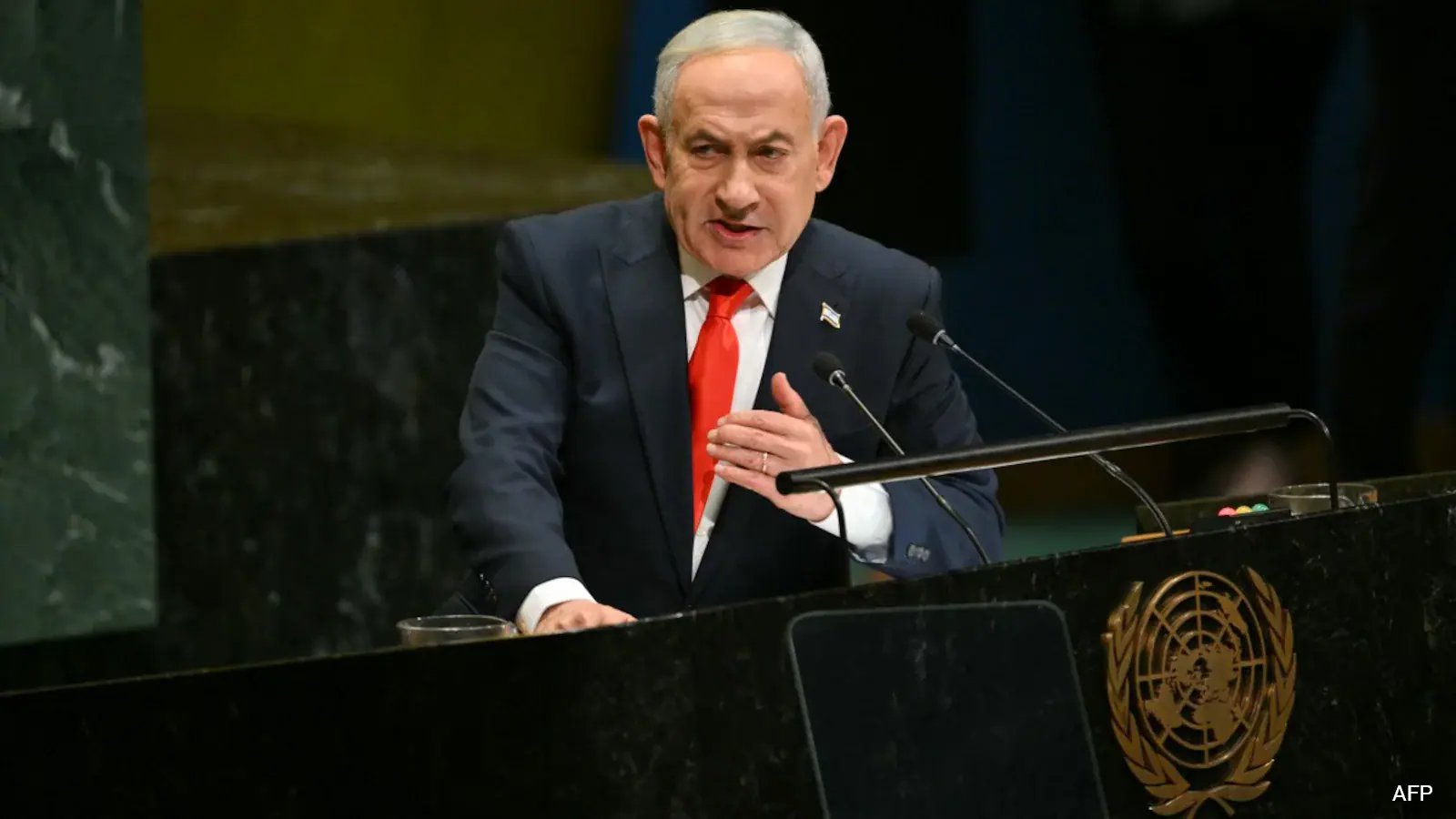
Benjamin Netanyahu stood before the United Nations General Assembly and made a stark accusation against New York’s new mayor. He claimed that since Zohran Mamdani won the election, Jewish residents of the city have expressed a profound sense of insecurity. “Mr. Mamdani, since you were elected mayor of this city, many Jews no longer feel safe in New York,” Netanyahu told world leaders. He quoted residents directly, saying they tell him, “this isn't the city we remember, it changed so quickly.”
The confrontation is personal. Mamdani has not held back his criticism of Israel. He has publicly called Netanyahu a “war criminal” and described him as “the architect of a horrific genocide against the Palestinian people.” Netanyahu labeled these statements as lies spread by the mayor, framing the safety concerns as a direct result of Mamdani’s rhetoric rather than general geopolitical tensions.
The diplomatic friction is immediate. Just two days before this UN speech, Mamdani met with U.S. President Donald Trump in New York. The timing suggests a complex triangle of relations between the American presidency, the Israeli government, and the progressive leadership of America’s largest city.
Mamdani’s office has not yet issued a detailed public response to the specific “safety” claims made at the UN. The next major interaction will likely occur in Washington, where both leaders are expected to engage with the White House on broader Middle East policy and domestic political alignment.