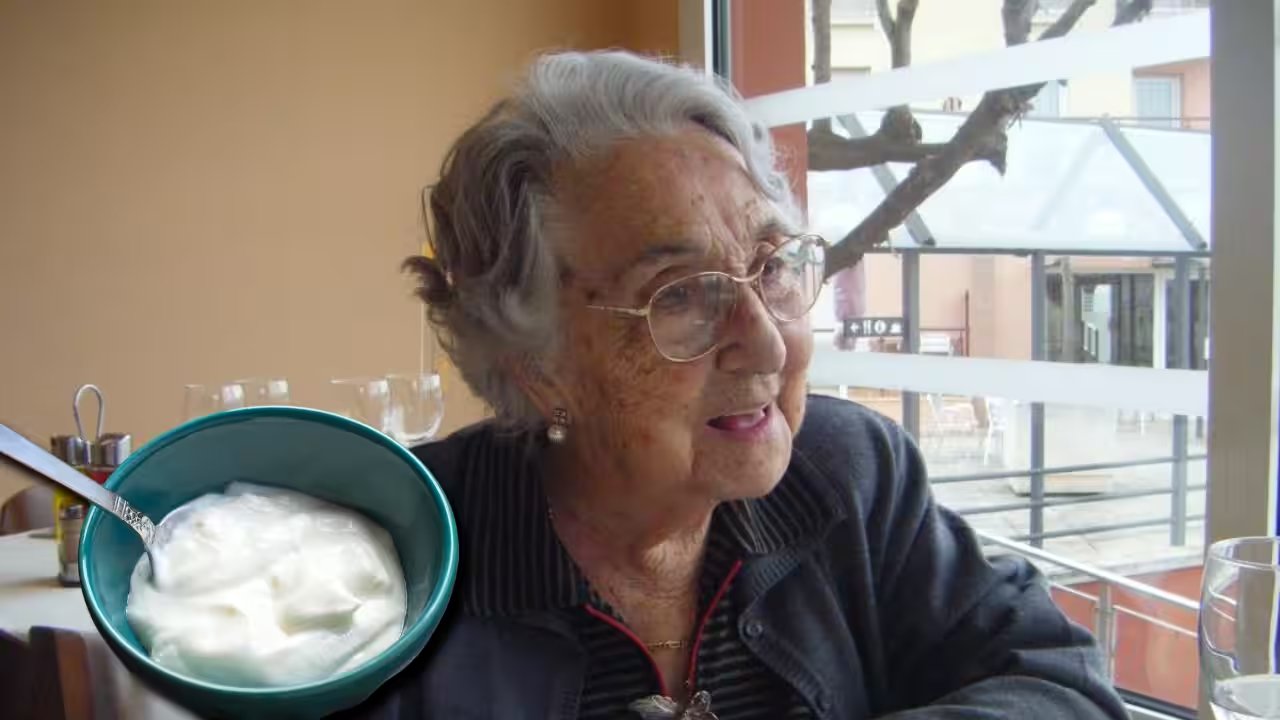
Maria Branyas Morera didn’t just reach 117; she thrived. When scientists finally cracked open her biological data in a 2025 Cell Reports Medicine study, they found something striking: her gut microbiome was teeming with Bifidobacterium, a beneficial bacteria linked to better health outcomes in the elderly. While genetics play a huge role, her reported diet—specifically the regular inclusion of yogurt, extra virgin olive oil, legumes, and grains—offers a blueprint that doesn’t require a lab coat to follow. The study didn’t prove these foods caused her longevity, but the correlation with her low inflammation markers is hard to ignore.
Let’s talk yogurt, because the internet wants to know if you need to be eating three servings a day like Branyas did. Honestly? No. You don’t need to force down that much dairy. What matters is the type: plain yogurt with live cultures. Look for brands that list live active cultures on the label and skip the sugar-laden flavored versions. A simple bowl with berries or a drizzle of honey at breakfast is plenty. If you’re lactose intolerant, you can skip this, but for most, it’s the easiest way to support gut diversity without complicated supplements.
Then there’s the oil. We’re not talking about deep-frying in it. Branyas’s diet leaned heavily on extra virgin olive oil (EVOO) as a primary fat source. This is the heart of the Mediterranean diet for a reason. EVOO is rich in monounsaturated fats and antioxidants that help combat oxidative stress. The practical move here is substitution, not addition. Next time you reach for butter or a neutral cooking oil, grab that EVOO instead. Drizzle it over roasted vegetables, use it in salad dressings, or cook your dal in it. It adds a peppery, fruity depth that processed fats just don’t have.
Legumes are the unsung heroes of a long life. Branyas ate them regularly, likely in the form of beans and lentils. These aren’t just cheap; they’re dense with fiber and plant protein. Fiber is fuel for your gut bacteria. In an Indian context, this is easy. Rajma on Tuesday, chana on Wednesday, dal with every meal. If you’re new to high-fiber diets, ease in. Start with a handful of chickpeas in your salad or a smaller portion of lentils to avoid bloating. Your gut flora will thank you for the steady supply of prebiotics.
Finally, the grains. Reports mention she had a smoothie with eight types of grains, which sounds intense and probably unnecessary. But the principle stands: whole grains over refined carbs. Oats, barley, and whole wheat provide sustained energy and more fiber. For a practical start, swap your breakfast cereal for a bowl of steel-cut oats with nuts and seeds. Or, if you’re a smoothie person, add a spoonful of chia seeds or flax to your morning blend. The goal isn’t to replicate her exact 1907-era diet, but to build a plate that’s consistently green, oily, and fibrous. That’s where the longevity magic actually lives.