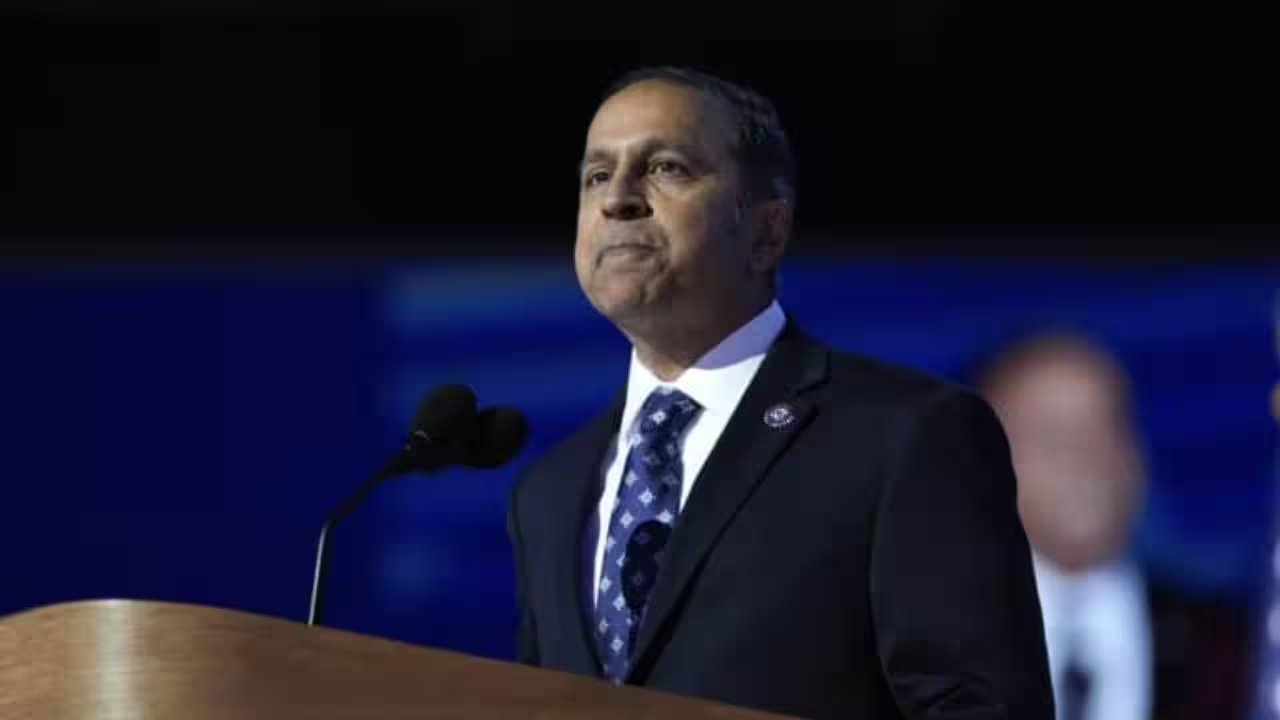
Washington, D.C. — The push is on to plug a gaping hole in America’s medical workforce. Representatives Raja Krishnamoorthi and Adam Smith dropped two bills into the House this week, targeting the licensing barriers that keep thousands of skilled immigrant doctors and nurses on the sidelines. It’s a direct response to a crisis: the Association of American Medical Colleges projects a shortage of up to 48,000 primary care physicians by 2034. That’s a number that haunts every hospital administrator in the country.
The bills are specific. The Immigrants in Nursing and Allied Health Act creates grants for training and certification, expanding National Health Service Corps eligibility to non-citizens. The Internationally Trained Physicians Assistance Act goes further. It encourages states to create temporary licensing programs, allowing foreign-trained doctors to work under supervision while they complete US requirements. Guaranteed residency positions will be set aside for those serving medically underserved communities.
"We have thousands of skilled nurses, doctors, and health professionals in this country whose training and expertise are going to waste," Smith said. The frustration is palpable. A 2022 Migration Policy Institute study found 2.1 million college-educated immigrants are unemployed or underemployed. They have the degrees. They have the skills. But the paperwork stops them at the door. Krishnamoorthi argued that these proposals allow communities to utilize talent already living in the US, rather than importing it at higher costs.
The coalition behind the bills is broad. The International Medical Graduates Academy, Nashi Immigrants Health Board, and Sea Mar Community Health Center all endorsed the move. For a nurse in Seattle or a physician in Chicago, this isn’t just policy. It’s the difference between waiting on a couch and standing in a scrubs, finally able to practice. The next step? The bills head to committee. If they survive that gauntlet, they’ll face a full House vote later this year.