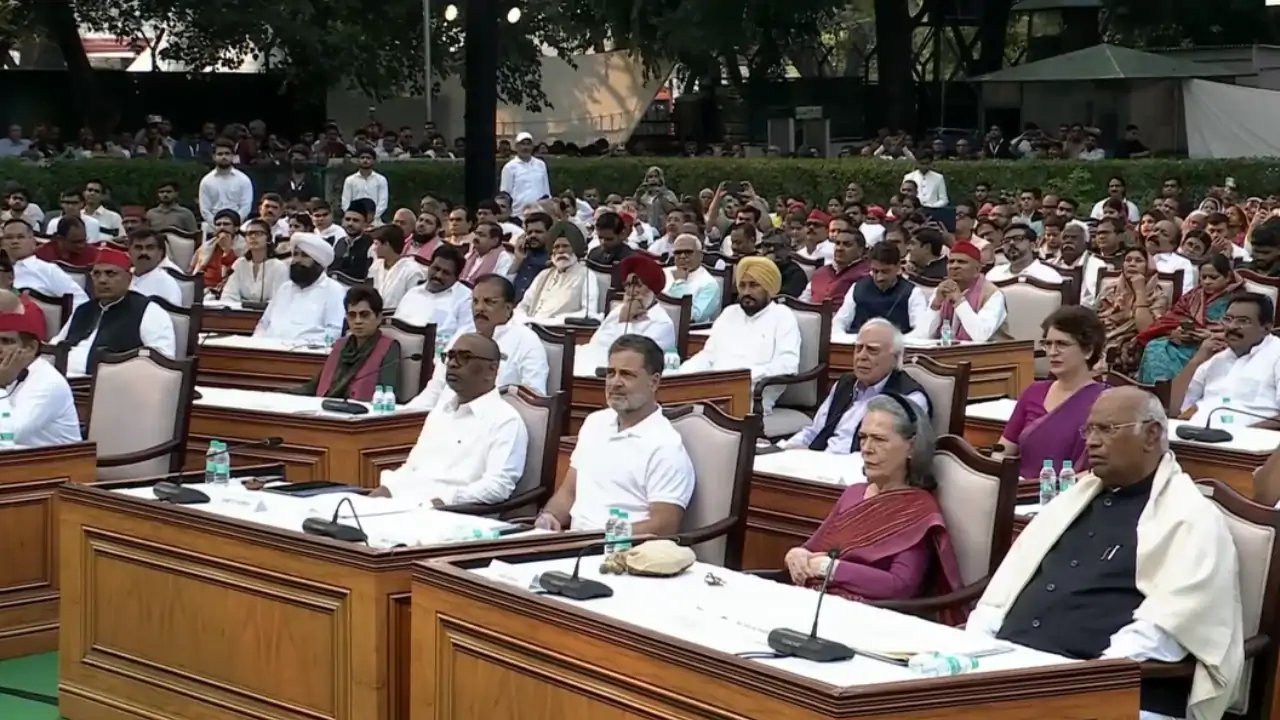
The resolution, adopted at a public impeachment programme in New Delhi, lists six charges against Kumar—chiefly that he engineered the removal of 13.2 crore names from the electoral rolls during the Special Intensive Revision.
The bloc’s chief allegation is that the SIR was conducted in a partisan and opaque manner, violating the constitutional right to vote. It claims that the deletion targeted voters in opposition strongholds, a move that could tilt the balance in upcoming national and state polls.
Beyond the roll‑cut, the resolution accuses Kumar of granting unauthorised access to voter lists and authorising arbitrary additions and deletions. It points to amendments in Form 6 of the Registration of Electors Rules 1960 that bypassed parliamentary scrutiny, making it harder for first‑time voters to register.
The opposition also charges that Kumar centralised roll management through the ERONET/ECINET software, effectively locking local Electoral Registration Officers out of the process. It further claims that he sidelined the other two commissioners, who had logged at least 14 objections, by denying them hearings and stifling independent decision‑making.
Politically, the resolution names Prime Minister Narendra Modi and Home Minister Amit Shah, alleging that Kumar’s actions were at their behest. It even ties in benefits received by members of Kumar’s family—plum postings and unprecedented remuneration—as evidence of a collusion with the ruling BJP.
Legally, the bloc questions the immunity provisions granted to the CEC under the December 2023 law, arguing that they were designed to shield him from accountability. It calls for an immediate removal of Kumar from office and for a treason trial under the constitutional legal framework, urging the parliament to convene a special session to act on the demand.