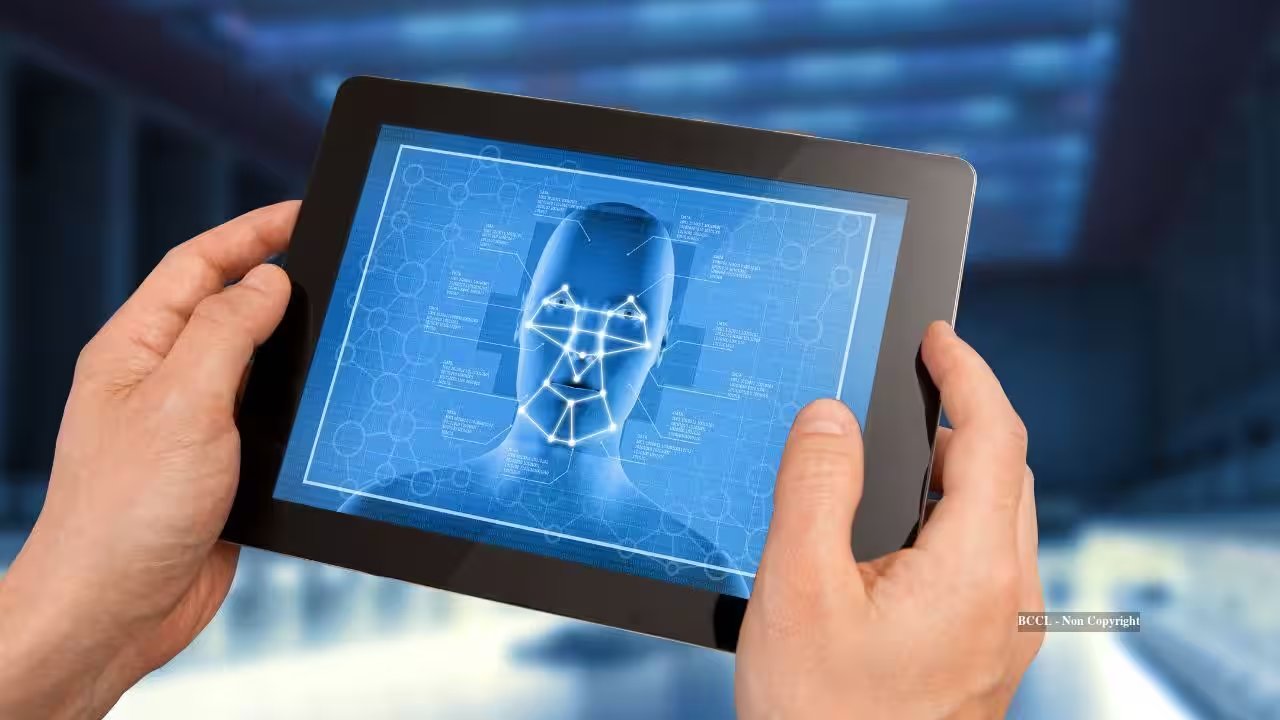
British Transport Police (BTP) ran a six‑month live facial‑recognition trial at London railway stations, scanning over 500,000 faces, deploying cameras at 18 sites, and spending £320,786. The system flagged only one person from the watchlist, a false match that led to no arrest.
The cameras compare each passerby’s face with images on a police watchlist to identify wanted offenders or those breaching court orders; they do not flag every individual. Fraser Sampson, former biometrics commissioner, said the system’s efficacy hinges on the watchlist’s composition and the likelihood of suspects appearing at the chosen location and time.
During the February–July 2026 window, officers logged nearly 100 hours of support across the deployments. While they made arrests for assault, theft, weapons possession and breaches of criminal‑behaviour orders, none of those actions stemmed from the facial‑recognition alerts.
BTP claims the trial helped refine deployment sites, watch‑list construction, and procedural safeguards. Consequently, the force extended the program for four months, now covering London Underground stations.
Critics warn that the technology scans citizens without consent and that a single false match can trigger unwarranted police scrutiny. The government counters that the system could curb violence against women and girls in transport hubs.
The extended trial will generate additional data; after its conclusion, BTP will decide whether to roll out live facial recognition across the national rail network.