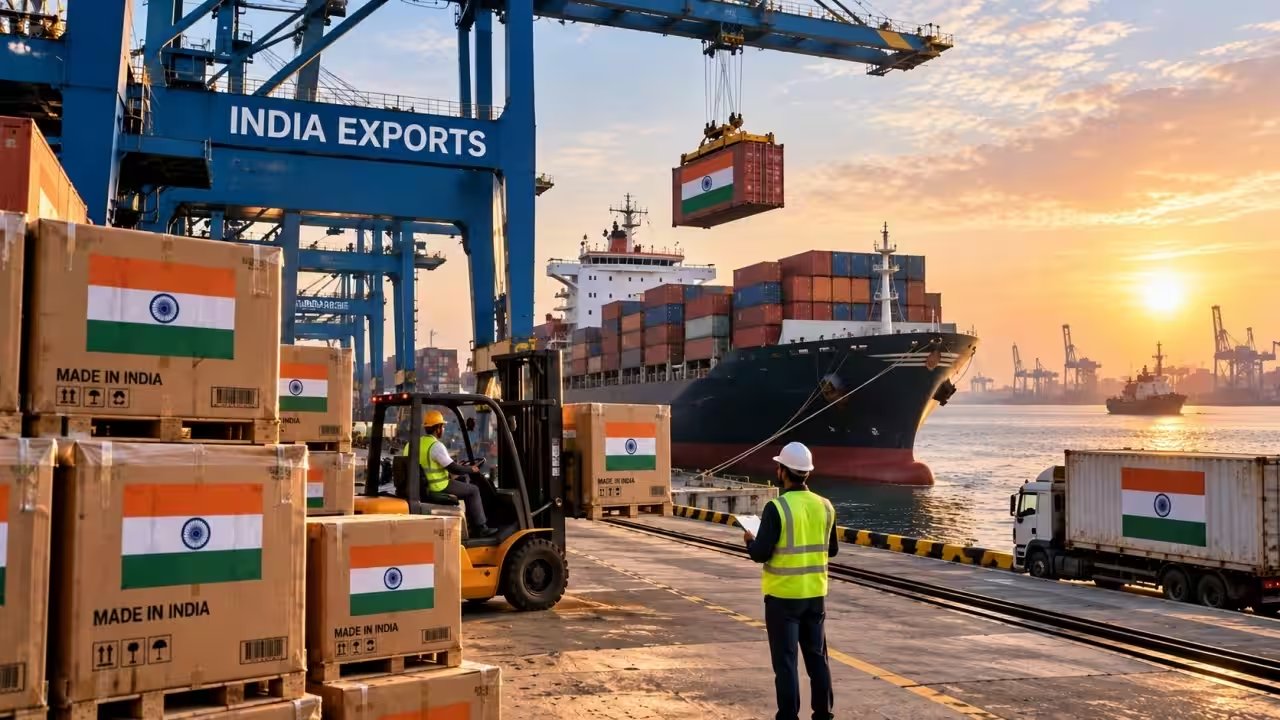
The WTO released its 2026 World Trade Report on 28 May, noting that a fragmented trading system has become costlier for economies worldwide. India's Ministry of Commerce, citing the report, warned that narrowing trade openness without strategic safeguards could stall the country’s progress in technology acquisition and productivity. The report also highlighted that while tariff reductions have paved the way for deeper integration, non‑tariff barriers—standards, certification, customs procedures—have increasingly taken centre stage.
Economists like Ha‑Jun Chang, who disputed the myth that free trade alone built the BRIC economies, argue that industrial policy and protectionism have historically played a pivotal role in nurturing nascent industries. Chang’s 2008 book, Kicking Away the Ladder, argues that Britain, the United States, Germany, Japan, and later the East Asian economies all employed tariffs, subsidies, and procurement to climb the technological ladder. For India, this means that blanket liberalisation may not yield the same leap in capability without deliberate policy support.
In the electronics domain, India has become a major hub for mobile‑phone assembly, with the country producing 50 million units in 2025 alone. Yet the same report points out that India’s share of high‑value components—semiconductors, advanced tooling, design software—remains under 5 %. The Ministry’s analysis stresses that without a shift toward higher‑value manufacturing, India risks becoming a “just‑in‑time” assembler rather than a technology innovator.
The ministry recommends a framework that ties tariff reductions to measurable outcomes such as productivity gains, export volumes, technology acquisition, and R&D spending. It also calls for a temporary shield for industries that need time to reach scale, but insists that protection must be lifted when the industry achieves competitiveness. “Protection that does not translate into learning is counterproductive,” said Commerce Minister Piyush Goyal in a press briefing.
Additionally, the report urges India to overhaul its customs and regulatory environment. The current system, which relies heavily on discretionary approval and lengthy certification processes, hampers investor confidence. The ministry plans to introduce digital, risk‑based customs checks and standardised, time‑bound procedures to lower transaction costs and accelerate supply chains.
The next step will be the Ministry’s draft policy, slated for release in the first quarter of 2027, which will outline sector‑by‑sector opening timelines and safety‑net measures. Industry leaders, including the Confederation of Indian Industry, have called for a phased approach that safeguards emerging sectors while opening mature markets. The policy will be presented to Parliament for debate later this year.