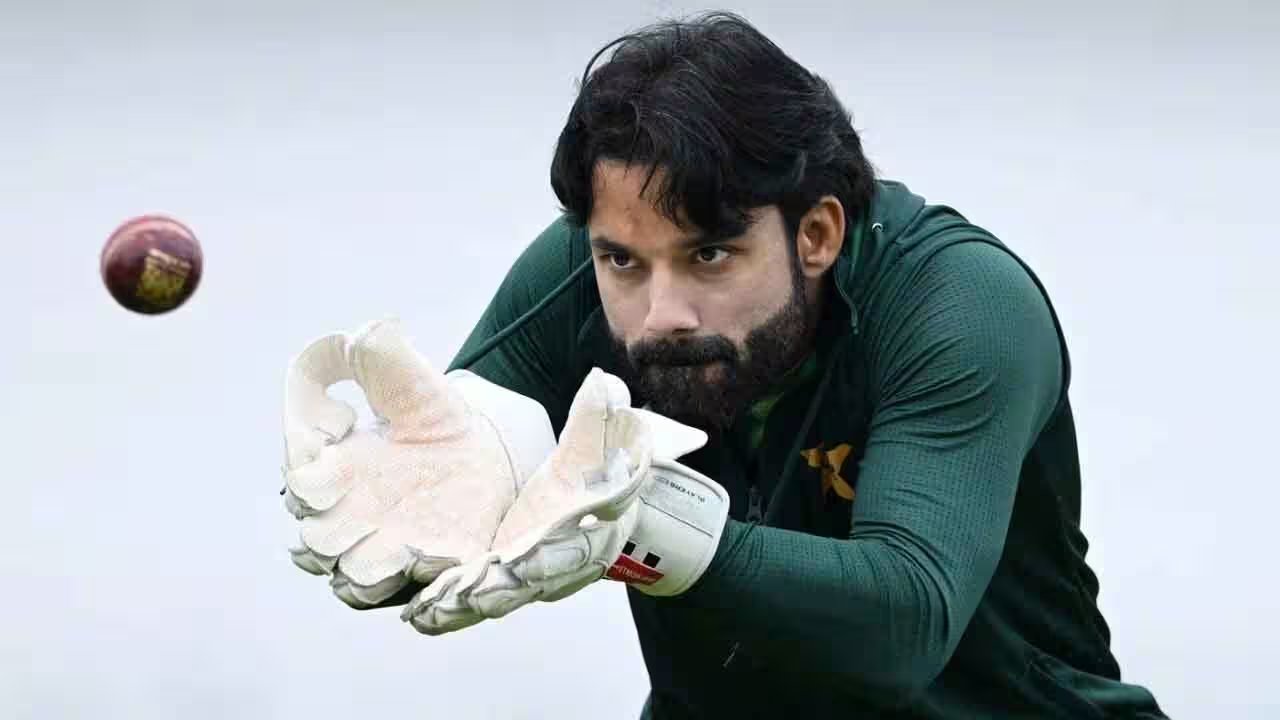
The fallout from Pakistan’s humiliating 3-0 Test series defeat in England is no longer just about the pitch. Mohammad Rizwan is now in a legal battle, having filed a writ petition in the Lahore High Court on Monday to strike down a summons issued by the National Cyber Crime Investigation Agency (NCCIA). The wicketkeeper-batter appeared before the agency last Thursday but has formally questioned both the basis of the investigation and the agency’s jurisdiction to interrogate him.
This isn’t a standard post-match review. The NCCIA questionnaires, which Rizwan and Imam-ul-Haq were forced to complete, reportedly dug into their travel logs, financial history, and personal lives. Imam submitted his answers via an intermediary before the September 15 deadline, but Rizwan is fighting the process. He argues there are no specific allegations against him, turning what started as a cricketing disaster into a constitutional headache for the Pakistan Cricket Board.
The context is brutal. Rizwan and Imam were among seven players sent home after England dismantled Pakistan by 194 runs in the second Test at Lord’s. By then, the first Test was already gone, lost by an innings and 103 runs. Rizwan’s form in that two-Test stint was poor—scores of 12, 41, 7, and 1—adding fuel to the fires of public and administrative anger. The PCB, under chairman Mohsin Naqvi, claimed the internal inquiry looked at factors “beyond performance,” a phrase that has done little to soothe the nerves of a cricketing nation.
The leadership shake-up was swift and severe. Head coach Sarfaraz Ahmed and bowling coach Umar Gul were axed. Seven players were replaced, five of them uncapped. One replacement, Razaullah, actually impressed on debut with four wickets and an 81-run knock, but it couldn’t stop an eight-wicket thrashing at Edgbaston in the final Test. The selection committee is now under the microscope too, with Misbah-ul-Haq resigning after the board sought explanations for keeping Rizwan and Imam in the squad.
Rizwan’s legal challenge could set a precedent for how the PCB and state agencies handle player conduct inquiries. For now, the cricketing landscape in Pakistan is fractured between a court of law and a court of public opinion. The next big test? Whether the PCB can stabilize a team that has lost not just matches, but its institutional credibility.