On Oct. 12, a coalition of Harvard lawyers, policymakers, scientists and academicians released a statement calling the anti‑India campaign "concerted" and accusing it of undermining public trust in constitutional bodies. The document warned that labels such as "siege" or "thieves" could erode faith in institutions like the Election Commission of India (ECI) and the Supreme Court.
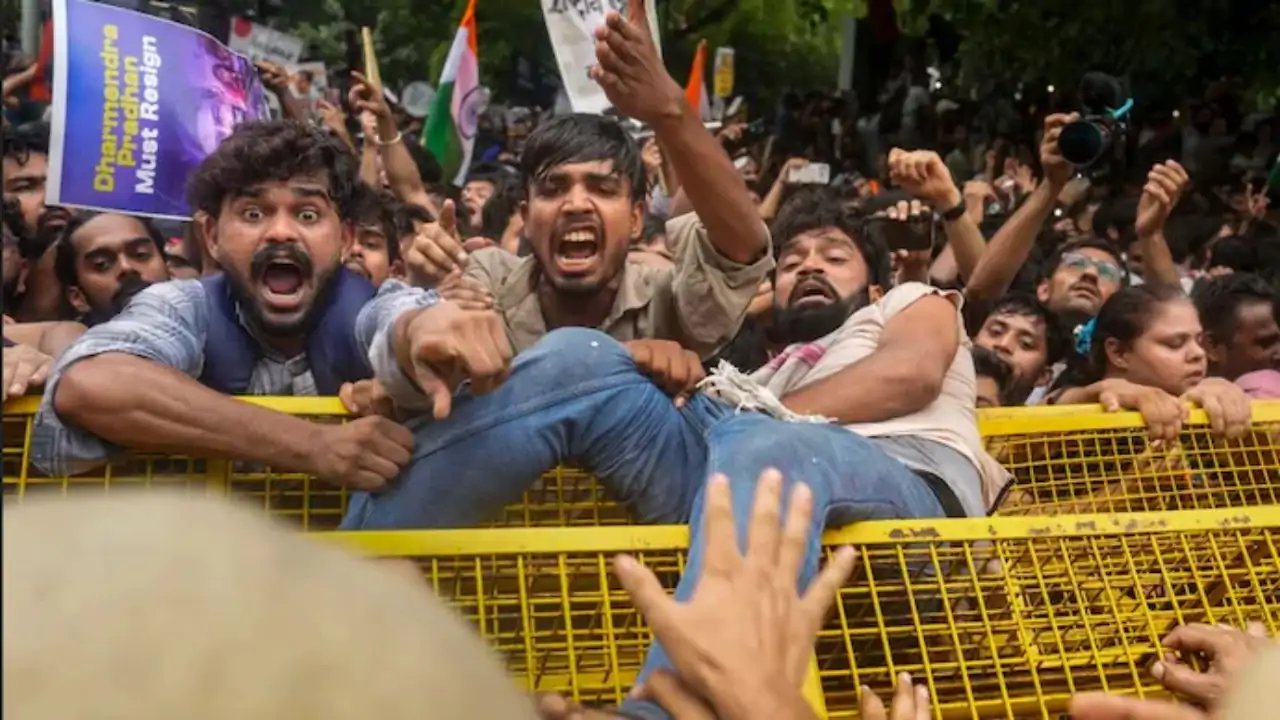
The outcry coincided with protests in Delhi against Chief Election Commissioner Gyanesh Kumar, who is facing accusations of irregularities in the Special Intensive Revision of electoral rolls. Activists and opposition leaders have demanded a full audit of the rolls, citing concerns over voter suppression.
In response, the Harvard Club of India issued a clarification on Oct. 12, stating it had neither issued nor endorsed the statement. Rajat Sethi, a member of the club's executive committee, said the club’s mandate does not allow it to take political positions and that the views expressed are those of individuals, not the organization.
The ECI has scheduled a hearing for Nov. 5 to address the allegations against Gyanesh Kumar, while Delhi police plan to monitor further demonstrations to prevent escalation. The debate over the use of Harvard’s name in political discourse is expected to intensify as the hearing approaches.