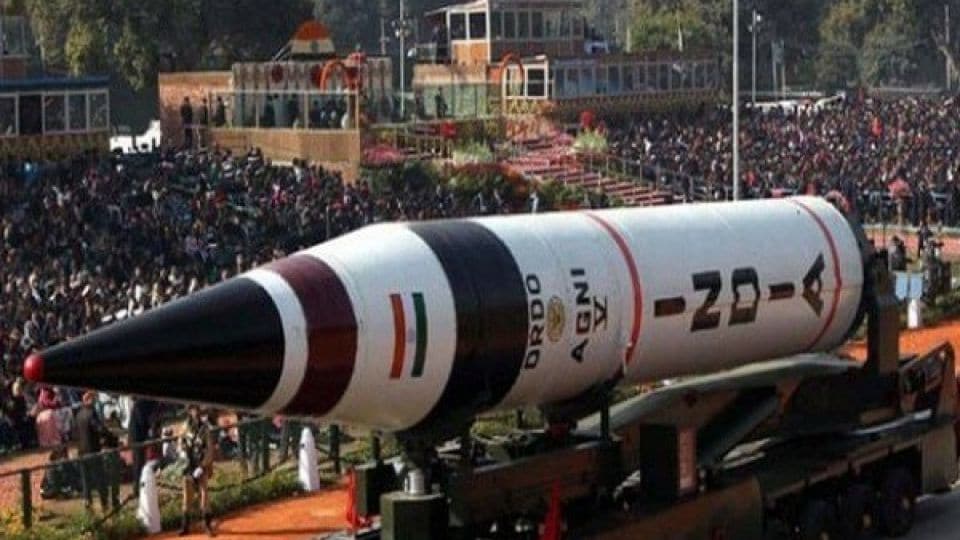
The Federation of American Scientists’ report, titled Indian Nuclear Weapons, 2026, appeared in the Bulletin of the Atomic Scientists on May 1, 2026. It was written by Hans M. Kristensen, Matt Korda, Eliana Johns and Mackenzie Knight‑Boyle and estimates that India has produced enough weapons‑grade plutonium for 140 to 225 warheads, with a likely tally of 190.
The authors say more than 160 of those warheads are ready for operational use and that additional weapons are being built for newly‑armed missile batteries. New Delhi has never published a figure, and the Strategic Forces Command enjoys a blanket exemption from India’s Right to Information Act—making independent verification almost impossible.
By comparison, the United States is believed to possess several thousand warheads, Russia is close behind, and China’s stockpile has climbed past 600. Pakistan is estimated to have a comparable number, placing both South Asian rivals in the high‑hundreds range.
India has long defended its nuclear arsenal as a deterrent rather than a threat. Dr A.P.J. Abdul Kalam famously called nuclear weapons "weapons of peace" after the 1998 Pokhran tests, a sentiment echoed by Mahatma Gandhi’s 1946 observation that "non‑violence is the only thing the atom bomb cannot destroy."
The report also charts India’s ongoing modernization of its triad, noting that the country operates several nuclear‑capable air, land and sea platforms and is steadily expanding its missile inventory. This development underlines a deliberate effort to strengthen deterrence across all domains.
Despite the study’s detailed estimates, no official Indian reaction has yet been made, and analysts are watching to see whether New Delhi will clarify its stockpile or continue its policy of deliberate ambiguity.