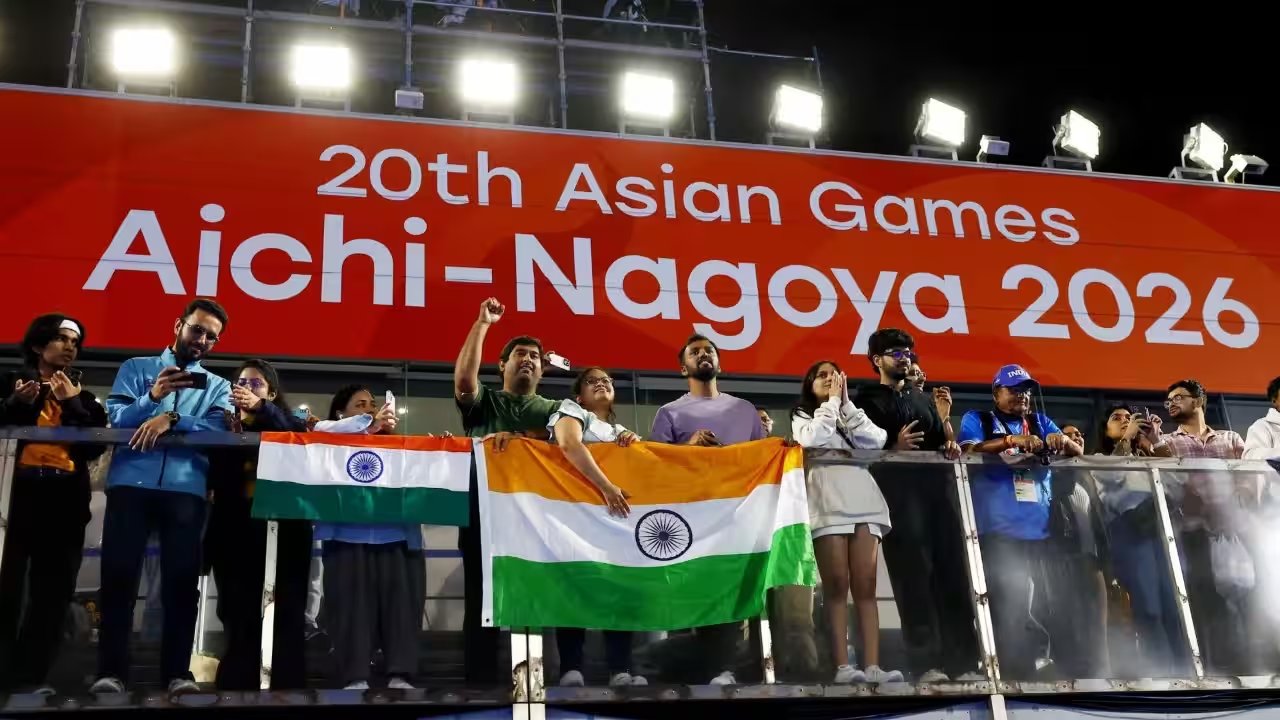
India is home from Aichi-Nagoya with 85 medals, but the finish was gritty. Fourth place overall—21 gold, 27 silver, 37 bronze—falls just short of the 106-medal record set in Hangzhou, yet the campaign had more heart than the numbers suggest. It wasn't a smooth ride; it was a late, frantic scramble to stay in the top five.
The day belonged to Kumkum Mohod. She didn't just win a medal; she broke a 50-year barrier, becoming the first Indian woman to claim gold in the individual recurve archery final. Her arrow split the air, and suddenly the archery podium was glowing red, white, and green. It was the quiet, sharp victory that defined the Games' spirit.
But don't sleep on the team sports. Cricket and hockey delivered back-to-back golds in the final days, the kind of roar that shakes a stadium. Add in the boxing golds from Lovlina Borgohain—only the second Indian woman to do it after Mary Kom—and the late-stage momentum was undeniable. They carried the tally up when it needed a lift.
Archery, shooting, and athletics did the heavy lifting earlier. Five golds for archery, 15 medals for shooting, and a gold in the women's 4x400m relay for athletics. Sawan Berwal’s marathon silver broke a 44-year drought, and Sarvesh Kushare ended a 56-year wait for a men's high jump medal. These weren't just points; they were eras ending.
India’s 21 golds kept them in the top tier, but the 37 bronzes show where the pain was. The next stop? The 2030 Asian Games. The question isn't if India can go higher, but who else breaks a record first.