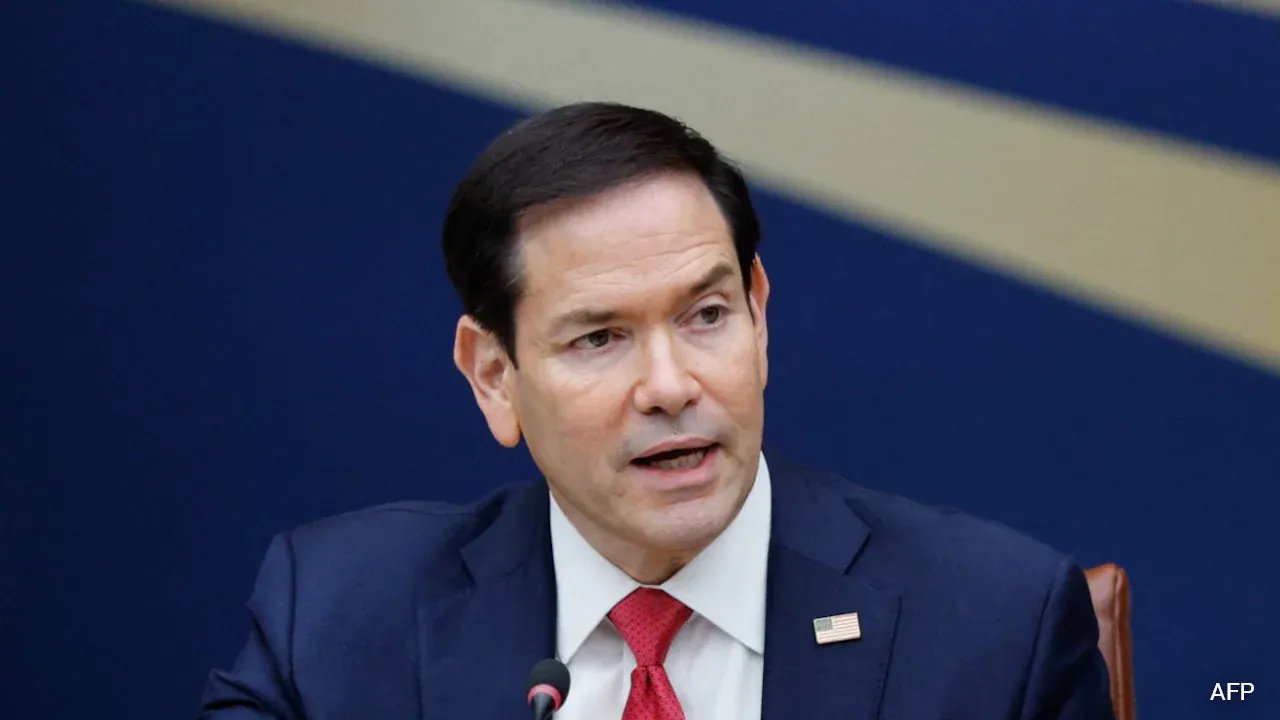
US Secretary of State Marco Rubio shut down expectations of an imminent diplomatic truce with Iran on Sunday, calling Tehran's negotiating demands "outrageous and ridiculous" as he departed for Group of Seven talks in Paris.
The White House sent a starkly different signal.
Speaking to reporters in Florida before boarding his flight to Washington, President Donald Trump stated that additional military strikes against Iran are "highly unlikely" if diplomatic negotiations achieve real traction. The conflict, Trump insisted, was already effectively settled. "We won that in Iran, it's just a question of closing it out now or later," Trump said, asserting that American naval forces had already neutralized Tehran's nuclear ambitions and were "choking it off."
The core positions of both capitals remain deadlocked. Iran insists Washington must lift economic sanctions and end its naval blockade of Persian Gulf ports before entering formal peace talks. The United States demands the opposite—pushing Tehran to reopen the Strait of Hormuz and make sweeping concessions on its nuclear program.
Domestic political fallout is accelerating the White House's push to de-escalate. The war, sparked by joint US and Israeli strikes in late February, drove up gasoline prices and contributed heavily to Republican defeats in the Nov. 3 midterm elections. Energy markets reacted swiftly to Trump's softened rhetoric: Brent crude tumbled 0.4%, extending its steepest weekly retreat since April 2020.
Yet progress on the ground remains frozen. While Qatari mediators have floated draft frameworks on nuclear monitoring, Iranian Foreign Minister Abbas Araghchi confirmed on Sunday that foreign mediators have mounted "no activity or movement" since the US elections concluded. Rubio is scheduled to take up the stalled negotiations with allied foreign ministers in Paris this week.