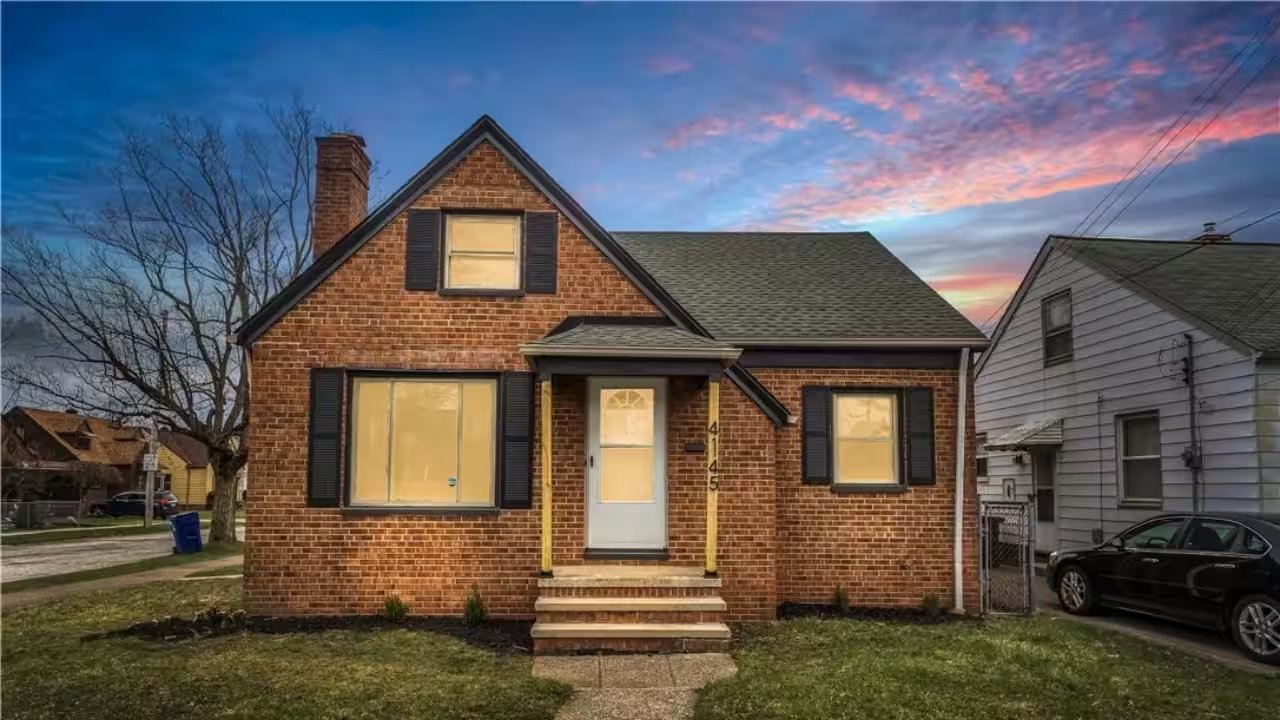
The Fifth District Court of Appeals of Ohio, on 26 October, said Michael A. Clevenger’s plan to rent his single‑family home in a 140‑home Stark County subdivision as an Airbnb violates township zoning and was therefore barred. Clevenger bought the house in 2025 and listed it shortly after, sparking resident protests over parking and noise.
Residents filmed unfamiliar cars lining the narrow streets, and a neighbor, Sarah Patel, shouted through a cracked window, "We’re not a hotel, we’re a community."
The court held that short‑term rentals shift a home’s character from private to hotel‑style, a use that requires commercial zoning or a conditional‑use permit, which the property lacked. The panel reiterated that township boards can enforce zoning to safeguard long‑term residents’ safety and property values.
This ruling follows a string of Ohio decisions that reinforce local authority to restrict Airbnb and VRBO listings in established residential areas. Lawyers for homeowners argued that unchecked rentals would erode deed restrictions and community ties.
Clevenger can now petition the Ohio Supreme Court for a discretionary review, though experts predict a reversal unlikely under current precedent. The Supreme Court is expected to schedule a hearing in early 2027, giving Clevenger a final chance to overturn the ban.