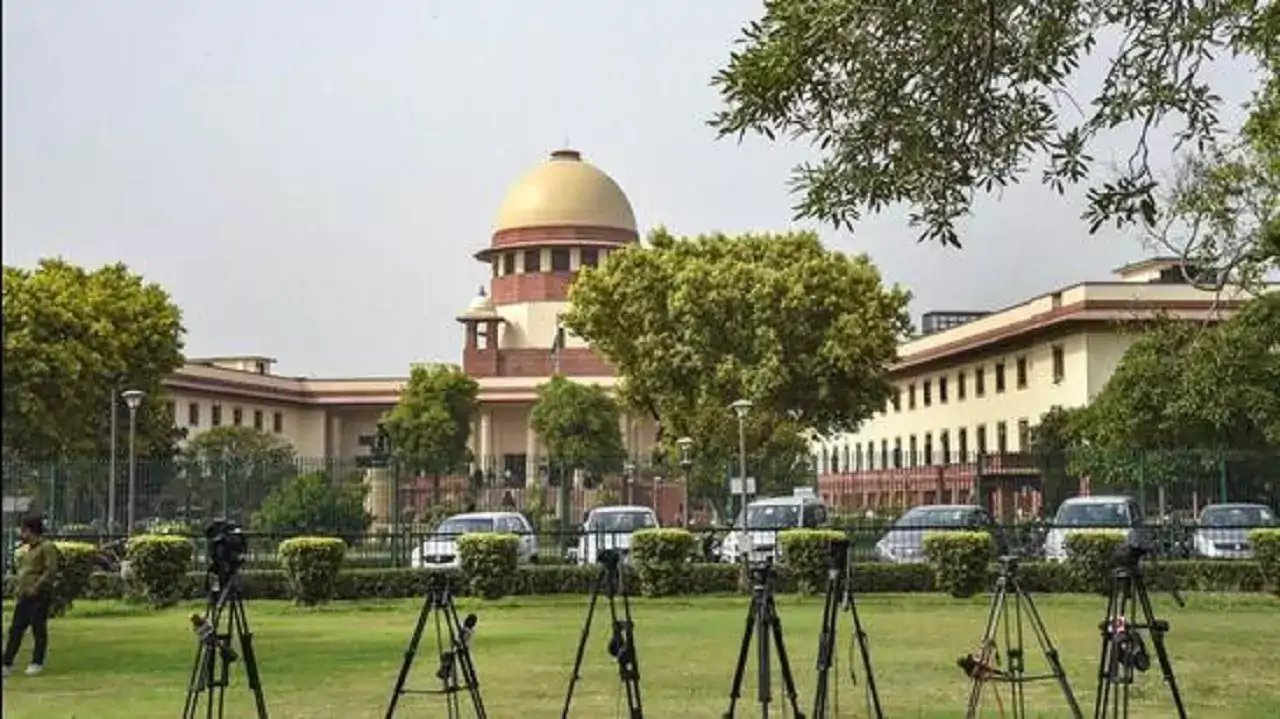
The Supreme Court has effectively handed out a strategic roadmap to drug traffickers, telling a West Bengal accused to come to the top court if lower judges deny him bail. In a rare verbal observation during a hearing on Wednesday, Justices MM Sundresh and PB Varale stated that the apex court is "very liberal" in granting bail in cases involving ganja.
The remarks came while the bench heard a plea by Biswanath Mandal, a man accused under the NDPS Act after police allegedly seized 252.330 kg of marijuana from a house in Cooch Behar. Mandal’s lawyer, Advocate Anish Roy, challenged the Calcutta High Court’s February 13, 2026 order, which had rejected his application for anticipatory bail. The High Court had found sufficient grounds for his detention, despite Mandal’s claim that he was not present at the scene and did not own the property.
Mandal’s case hinges on a lack of direct evidence. His plea argues that the investigation failed to produce title deeds, utility bills, or any independent material linking him to the seizure. He also highlighted a consistency gap: his co-accused, identified as his second wife, received anticipatory bail from the High Court with the specific note that custodial detention was not warranted because no further material was recovered. Mandal contends the High Court failed to apply the same leniency to him, ignoring his absence during the search and his clean criminal record.
The Supreme Court’s response cut through the procedural arguments. "Come for bail we’ll give you. See, when it comes to Ganja, we are very liberal," the bench told the counsel. The justices instructed that if Mandal receives a dismissal from the lower court, he should immediately approach the Supreme Court, where they indicated they would grant bail. This direct guidance suggests a judicial willingness to relieve accused persons from custody in marijuana cases, potentially altering the landscape for NDPS prosecutions.
The case now awaits the Supreme Court’s decision on Mandal’s plea for leave to appeal against the High Court order. If the bench follows its own advice, Mandal may find himself out on bail, setting a significant precedent for other accused in similar ganja cases across the country.