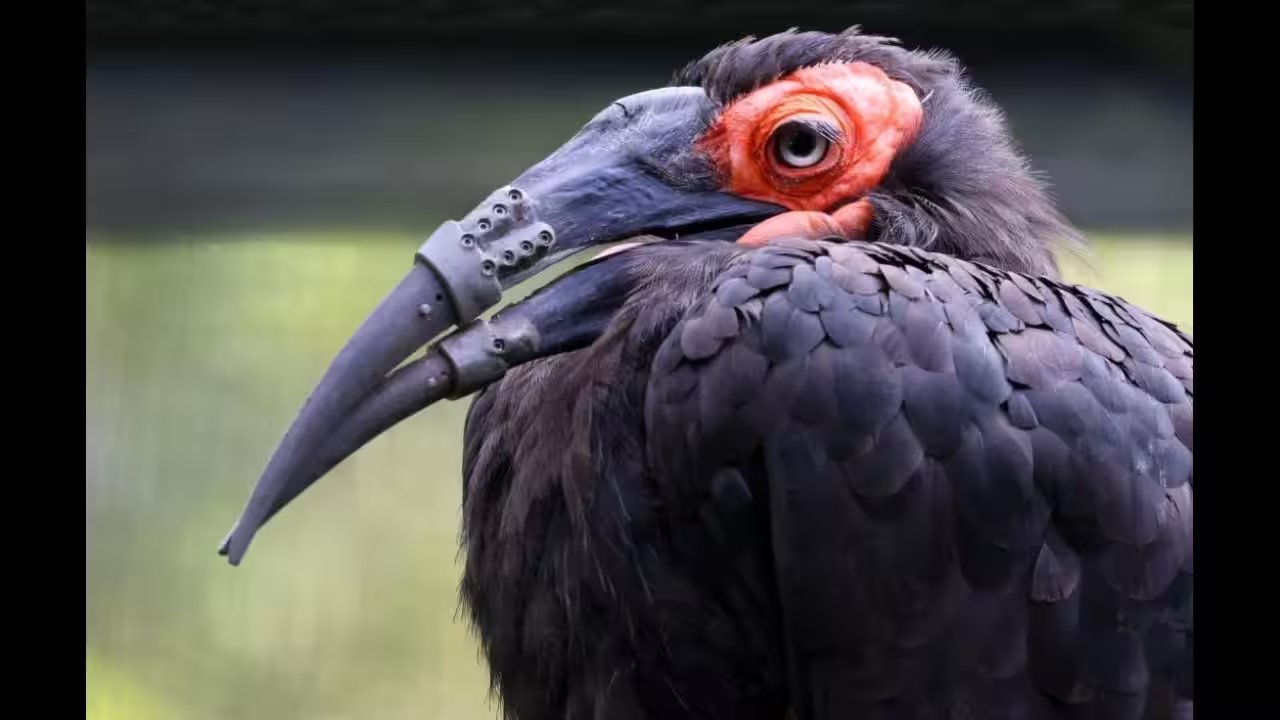
The team at Artis Zoo began by scanning the hornbill’s fractured beak with a high‑resolution CT scanner, then carefully measuring the preserved bone fragments to map the exact curvature needed.
The design phase involved a collaboration between Utrecht University’s veterinary faculty and the tech firm Amnovis, who shaped titanium tubes into a lightweight frame that would sit snugly against the bird’s jaw.
During the surgery, veterinarians Martine van Zijll Langhout and Yvonne van Zeeland guided the placement of the prosthesis, with surgeons Bjorn Meij and Lucinda van Stee securing the titanium with a gentle, flexible adhesive that mimics natural tissue.
The first day after the operation, the hornbill reached out with its new beak to pick up a mouse, a clear sign it was adapting quickly. By the next morning, it was preening its feathers again, showing that the prosthesis didn’t just replace a broken part—it helped restore the bird’s daily rituals.
For pet lovers, this case is a reminder that modern tech can bring real, tangible benefits to animals with injuries that were once considered untreatable. The same 3D‑printing workflow could be adapted for dogs with missing teeth or cats with damaged claws, offering owners a new option beyond traditional prosthetics.
If your pet has suffered a similar injury, talk to a specialist about whether a custom 3D‑printed solution might be possible. Keep an eye on emerging veterinary tech—today’s breakthroughs could become tomorrow’s standard care, giving your animal a second chance to live, play, and look its best.