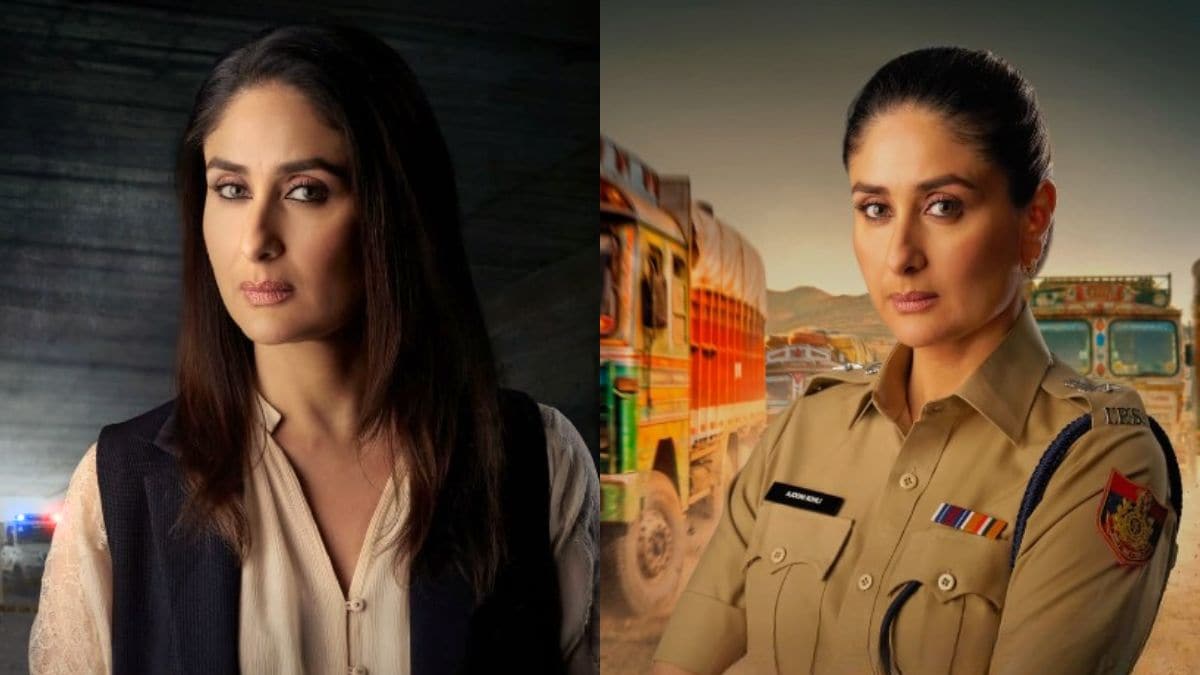
But when the camera rolls, Kareena Kapoor’s Ajooni Kohli refuses to be the caricature of a tough, gun‑toting cop. She walks a tightrope where a lipstick‑lined smile can be just as intimidating as a bullet—Kareena explained that the character never touches a weapon, opting instead for sharp interrogation and relentless pursuit.
Meghna Gulzar, fresh off Sam Bahadur, wanted a woman at the helm to inject authenticity into the story. She told reporters that the director had a clear vision: a female cop who is stern yet smiles, a blend that feels natural rather than forced.
The script stitches together real incidents from across India, painting a grim tableau of a gang‑rape and its aftermath. By rooting the plot in lived realities, Gulzar and co‑writers Sima Agarwal and Yash Keswani aim to make the legal maze feel tangible.
Daayra sits alongside Talvar and Chhapaak, films that used true crime to question the system. It’s not a deliberate trilogy, Gulzar says, but a coincidence of themes that highlight how justice is often a labyrinth.
The film clashes with Kunal Kemmu’s Vibe this Friday, placing two heavyweight dramas on the same night. While Vibe leans into a gritty thriller vibe, Daayra promises a psychological deep‑cut that could sway viewers who crave substance over spectacle.
For cinephiles, the real draw is watching Kapoor navigate a role that’s as complex as the bureaucratic maze she portrays—her performance could redefine how female authority is seen on Indian screens.