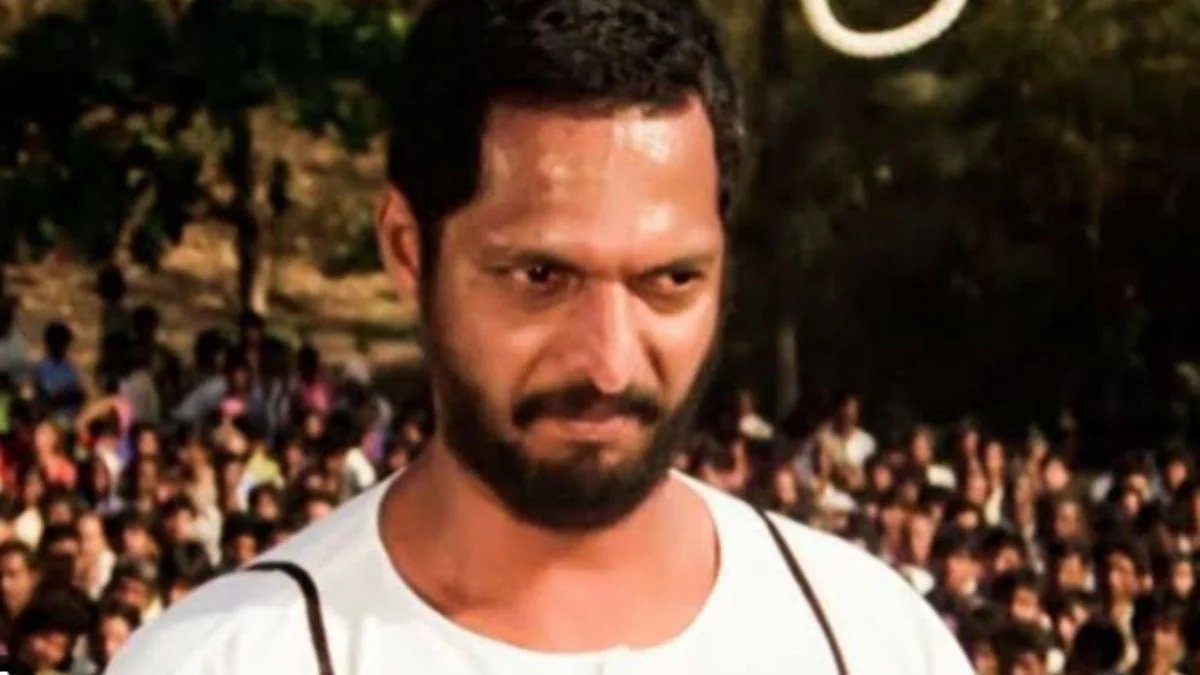
The screen flickers to life as Nana Patekar’s grizzled face grunts over a city in turmoil, the opening sequence echoing the political agitation of the 1990s.
The narrative—an underdog politician rising against entrenched corruption—still feels oddly timely, reminding audiences of the volatile politics that still grip Delhi’s corridors.
Critics from Mumbai’s Times of India note the film’s pacing feels uneven, with some scenes dragging like a heavy‑laden train, yet Patekar’s raw intensity anchors the drama, turning each confrontation into a punch of palpable tension.
Box‑office chatter is already buzzing: 2 million tickets sold in the first week of the re‑release, a number that dwarfs the 1.2 million garnered during its original run, proving that controversy still sells.
Fans on social media are split—some hail the film as a bold reminder of past injustices, while others slam it for perceived communal bias, sparking meme wars and heated comment threads.
Tomorrow’s agenda? A panel discussion in Mumbai where Patekar himself will defend the film’s intent, slated for 12 pm on October 15, promising a rare behind‑the‑scenes look at a movie that refuses to stay silent.