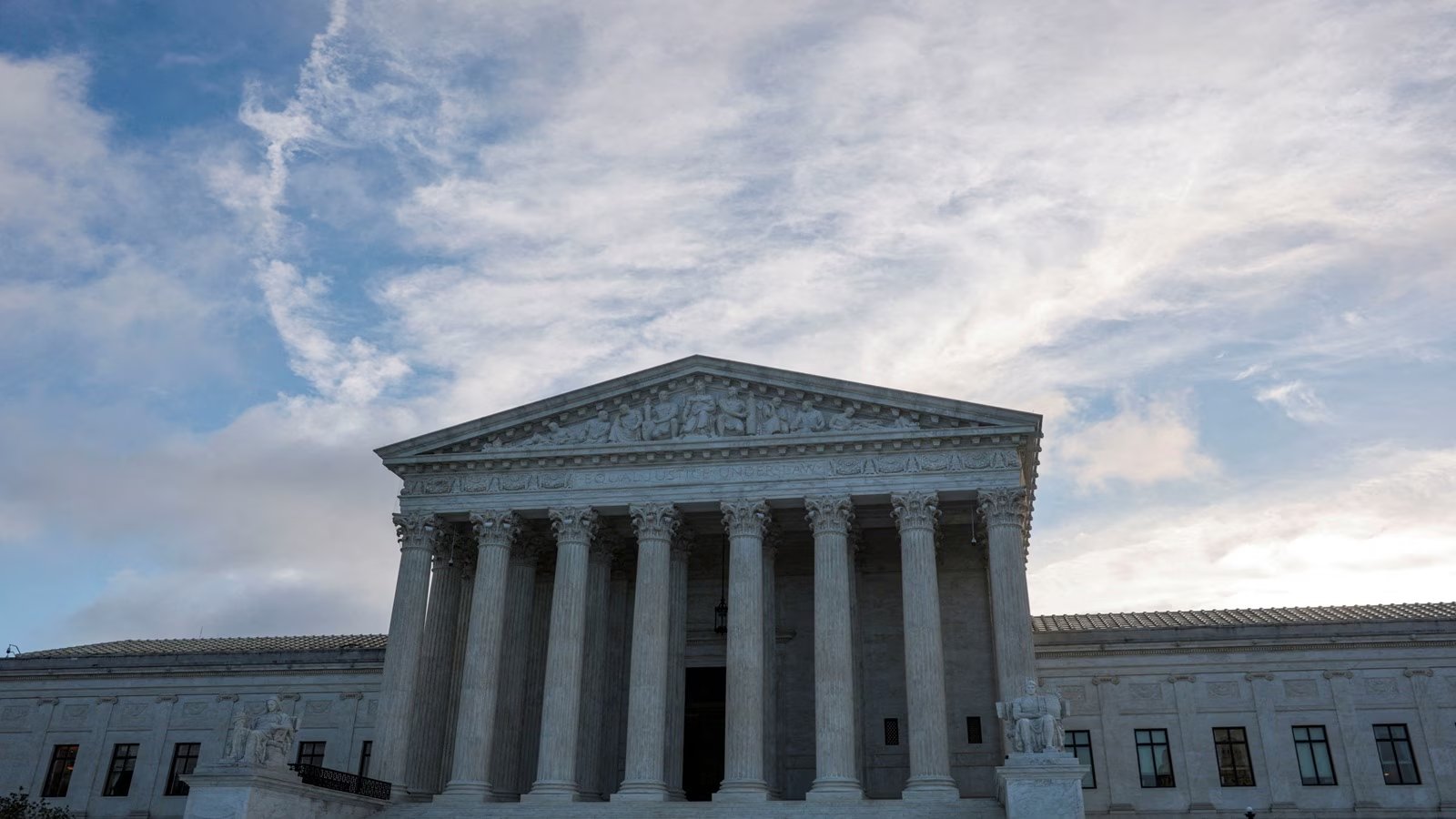
The legal liability overhang on global healthcare giants just widened. The US Supreme Court stepped into a high-stakes corporate terrorism dispute on Monday, ordering the Trump administration to weigh in on an appeal brought by AstraZeneca Plc, Pfizer Inc., and four other multinational healthcare titans. At issue is whether American combat veterans and civilian survivors can sue the manufacturers under the US Anti-Terrorism Act for allegedly paying millions of dollars in corrupt kickbacks to secure medical-supply contracts in Baghdad.
Six blue-chip corporations sit squarely in the legal crosshairs: AstraZeneca, Pfizer, Roche Holding Ltd., GE HealthCare Technologies Inc., Johnson & Johnson, and Viatris Inc. According to court filings in AstraZeneca UK v. Atchley, plaintiffs assert the companies funneled illicit cash to the Iraqi Ministry of Health between 2004 and 2013. The ministry was controlled at the time by Jaysh al-Mahdi, a violent militia that weaponized the state health apparatus against US forces.
The corporate defense hinges on statutory intent and commercial causation. In petitions filed before the high court, the drugmakers argued they entered sales agreements with the ministry at the explicit encouragement of the US government during post-war rebuilding. Even if the bribery allegations were true, the companies contended, the Anti-Terrorism Act does not permit private suits without a tight nexus between commercial sales and specific acts of violence. The statute, the drugmakers insisted, requires proof that a defendant actively intended to help a terror attack succeed.
A federal appeals court in Washington rejected that immunity shield. The appellate panel ruled the litigation can proceed, finding the complaint adequately detailed how the companies structured transactions in an unusual, illegal manner that sustained Jaysh al-Mahdi’s operational apparatus. The victims countered that the corporations knew their cash subsidized deadly strikes—and kept paying anyway.
| Corporate Entity | Exposure Timeline | Governing Statute | Primary Defense Position |
| :--- | :--- | :--- | :--- |
|---|---|---|---|
| AstraZeneca, Pfizer, J&J, Roche, GE HealthCare, Viatris | 2004–2013 | US Anti-Terrorism Act | No direct intent or proven nexus to specific attacks |
| Iraqi Ministry of Health (Jaysh al-Mahdi) | 2004–2013 | Foreign Corrupt Payments / Terrorism | Direct state-entity control by militia |
Both legal camps now claim the backing of recent Supreme Court precedent. In 2023, the justices ruled unanimously that social media platforms could not be held liable under the Anti-Terrorism Act for a 2017 mass shooting at an Istanbul nightclub. The pharmaceutical consortium argues that precedent shields secondary commercial activity from sweeping civil claims. Plaintiffs argue deliberate bribery schemes share no legal parallel with open communications networks.
The directive to US Solicitor General D. John Sauer marks a critical procedural inflection point. By inviting the federal government's top appellate lawyer to submit a brief, the justices signaled serious deliberation on whether to take up the appeal and curtail corporate exposure abroad. Sauer’s eventual filing will outline whether federal authorities support commercial immunity in conflict zones or clear the path for injured military families to demand financial reckoning before a jury.