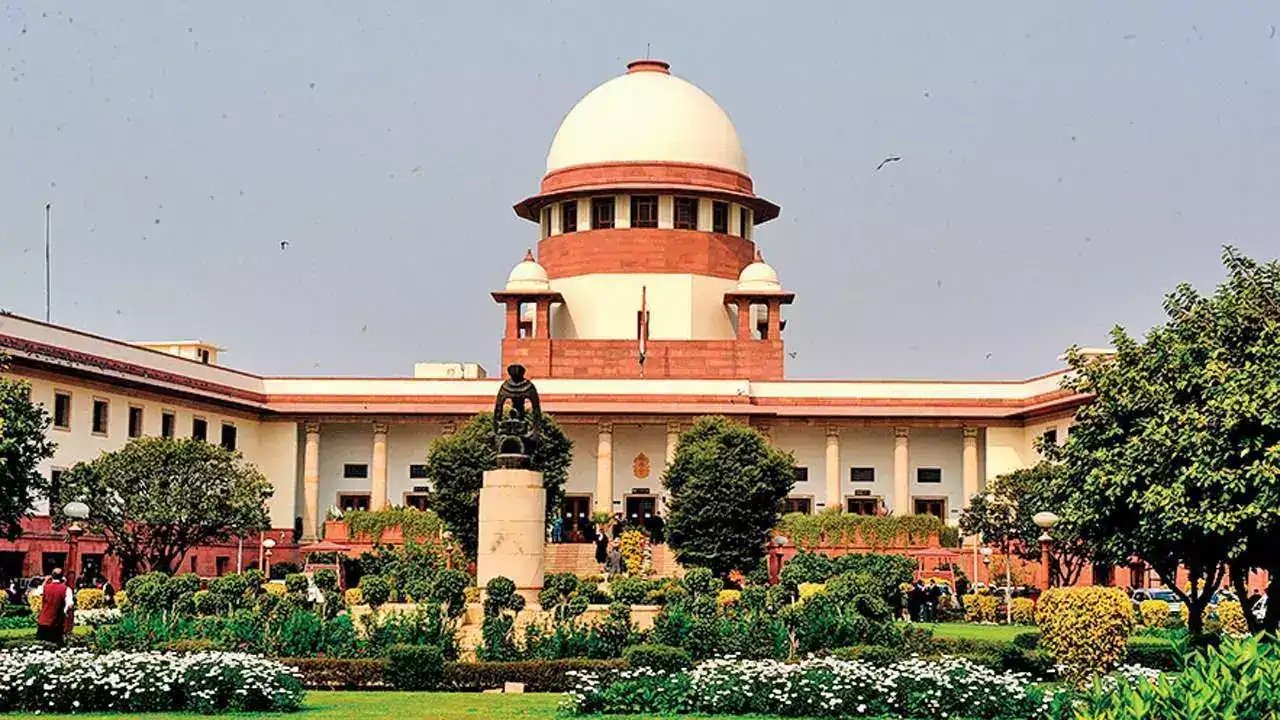
The Supreme Court ordered the Election Commission of India to scrutinize specific allegations of irregularities during the Special Intensive Revision (SIR) of electoral rolls in Uttar Pradesh. A bench led by Chief Justice Surya Kant demanded that the EC examine the factual aspects of bulk Form 7 submissions and take immediate corrective steps. Form 7 is the legal instrument used to request the removal of a voter’s name from the draft roll. The court’s intervention follows petitions challenging the conduct of the revision exercise in the state.
Senior Advocate DS Naidu, representing the Election Commission, conceded that bulk applications had indeed been submitted. However, he assured the court that the poll panel had cross-checked these entries and found them to be false. "We have not acted upon them," Naidu stated, asserting that the ECI’s officers had already flagged the anomalies. The petitioner’s counsel, however, pushed back against this assurance, alleging that 32 specific Form 7 applications were filed in a single constituency to target members of a particular community. This claim of targeted exclusion shifted the focus from general procedural errors to potential communal manipulation.
The bench, comprising Justices Joymalya Bagchi and V Mohana, did not accept the ECI’s assurance at face value. CJI Surya Kant directed the petitioners to submit a detailed note listing all irregularities yet to be addressed. This note must be provided to the senior counsel for the Election Commission. The court’s directive is precise: the ECI must verify these specific claims, not just general bulk submissions. The order signals that the judiciary is no longer willing to treat the SIR process as a black box where administrative errors can be dismissed with a simple cross-check.
This legal battle stems from petitions filed by Congress MP Tanuj Punia and others who argue that the SIR process in Uttar Pradesh has been compromised. The court’s order places the burden of proof squarely on the Election Commission to demonstrate that the targeted deletions were indeed false and not processed. The next step is procedural. The ECI must now file a compliance report detailing exactly how they verified the 32 applications and any other irregularities listed in the petitioner’s note. The bench will review this report to determine if further intervention is required.