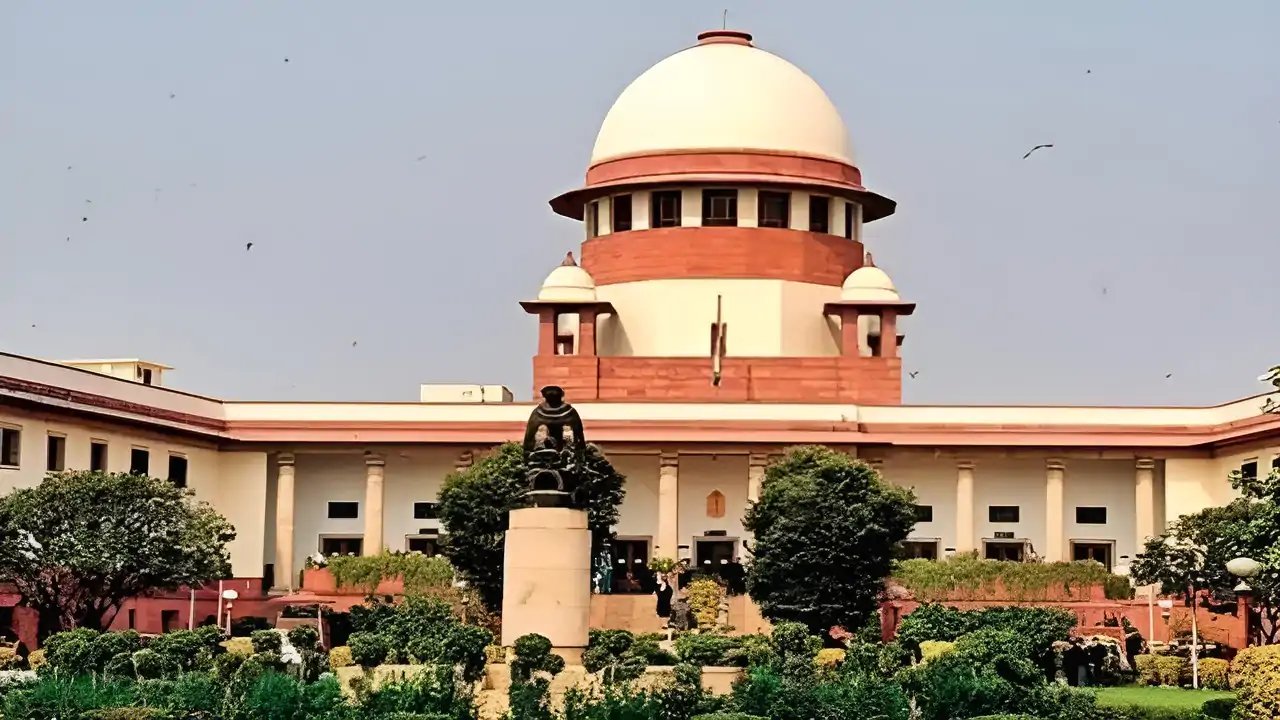
The Supreme Court on Tuesday denied the Digital News Publishers Association (DNPA) an immediate legal shield against the Digital Personal Data Protection (DPDP) Act, rejecting an ex-parte stay request that 21 news publishers argued was vital for journalistic survival. The bench, comprising CJI Surya Kant, Justice Joymalya Bagchi, and Justice V Mohana, refused to pause the law’s operation but shifted the burden of proof onto the industry itself. “You are the domain experts,” CJI Surya Kant told the court, demanding that the DNPA propose concrete safeguards to prevent personal data misuse without stifling news reporting.
The tension in the courtroom was palpable. Adv. Madhavi Divan, representing the DNPA, warned that the law’s consent requirements amounted to pre-censorship. “News has to be new... what's the point if I have to ask for permission and consent?” she asked, arguing that newsrooms would effectively shut down if compelled to seek prior approval for individual data usage. The court, however, remained unmoved by the urgency, noting that it couldn't issue such an order without hearing the other side.
This is the first comprehensive legal challenge to the DPDP Act, a law intended to govern how digital personal data is collected and processed. The DNPA argues that several provisions directly conflict with the constitutional right to free speech, creating a chilling effect where journalists fear litigation over routine reporting. The Centre and the Ministry of Electronics and Information Technology (MeitY) have been tagged as respondents, and the court has merged this plea with other pending petitions on the same issue.
The next critical date is November 17. By then, the DNPA must arrive with a viable framework that satisfies the court’s demand for a balance between “innocent citizens’ rights” and the press’s duty to inform. Failure to provide a robust, workable solution could leave Indian media organizations exposed to a regulatory regime they claim is fundamentally incompatible with the speed and nature of modern journalism.