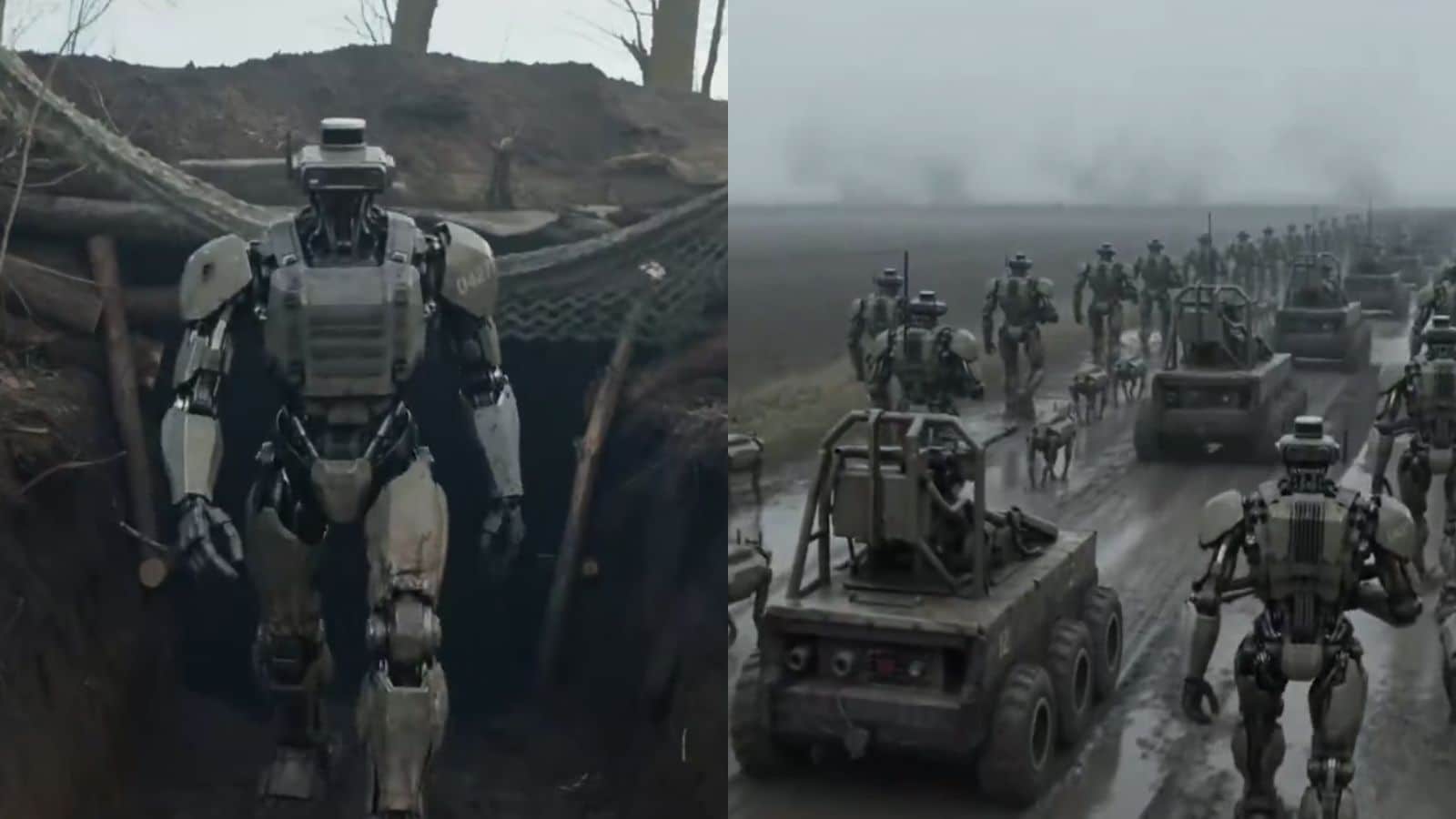
Fedorov’s tweet marked a new chapter in Ukraine’s war‑tech strategy, echoing the 2022 push that saw drones account for over 95% of battlefield strikes and spurred the country to license more than 700 UAV manufacturers. He framed the robot venture as an ecosystem, not a single prototype, and vowed to "invest in defence tech companies, launch our own technology projects, test them with the military and scale what works on the battlefield."
The core ambition, according to Fedorov, is to reduce human casualties by assigning robots to the most perilous tasks—evacuating wounded, delivering ammunition, demining, reconnaissance, and engaging targets. He added that within six months the army hopes to record the first enemy soldier killed by a humanoid robot, and in twelve months to execute a fully robotic assault on an enemy position.
Meanwhile, the Ministry of Defence reports that UGV missions have surged 3.3 times since the start of 2026, with 112,000 logistics and evacuation runs logged to date. In August alone, UGVs completed more than 25,000 missions on the front line. Reuters highlighted that the military is also fielding four‑wheeled unmanned vehicles dubbed "Hyenas," which creep toward Russian lines carrying explosives and have already captured Russian prisoners.
Fedorov warned that Russia is rapidly adopting similar technologies, underscoring the need for full autonomy. The initiative will launch a public portal inviting industry experts to build on the platform, and the first set of prototypes is slated for field trials in early 2027. The move signals Ukraine’s intent to keep pace with a rapidly evolving battlefield where autonomous systems increasingly dictate the tempo of conflict.