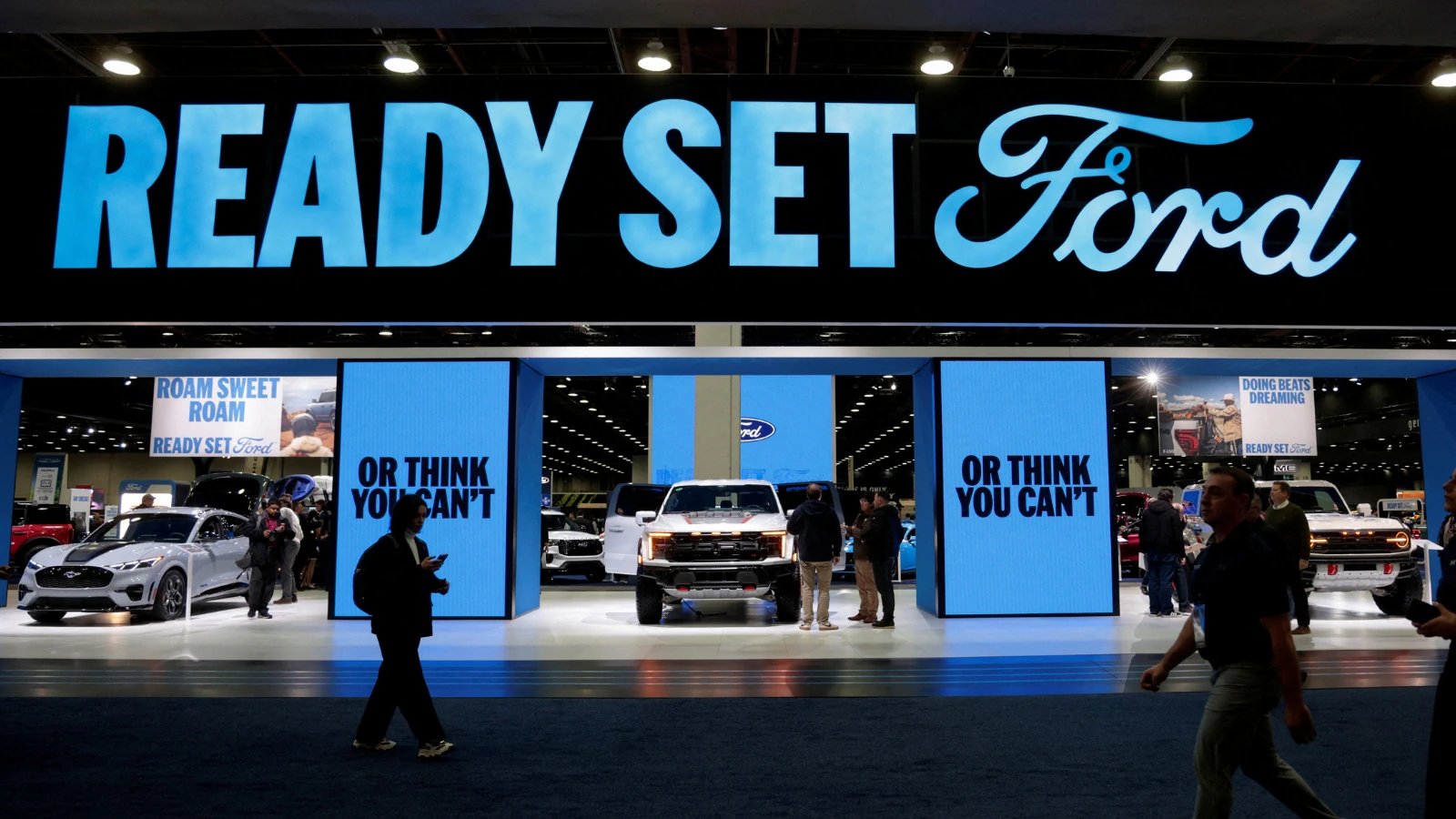
Ford’s Q3 earnings beat analysts, nudging shares 1.5% lower in after‑hours trade. CEO Jim Farley said the automaker expects 2027 adjusted EBIT to stay flat around $11 billion, a figure close to this year’s guidance. The company’s profit beat estimates, but the slide underscores mounting cost pressures.
Farley warned that inflation driven by the war in Iran would push logistics, raw‑material, and chip costs higher, adding a $2 billion headwind next year. CFO Sherry House said relief is not likely in the near term from commodity inflation. The headwind could erode the margin gains from high‑margin pickups and SUVs that powered this year’s earnings.
Nine‑month adjusted EBIT margin sits at 6.1%, still below the 8% target for 2029. Farley said cost containment will come from quality improvements and new growth in batteries, software, and services. The company has already raised the low end of its full‑year profit forecast.
Ford Pro’s earnings fell 16% as higher commodity costs and a shift to building Super Duty pickups at its Oakville plant weighed. Blue division earnings dipped 10% YoY, citing lower sales after the Escape SUV was discontinued and shipping delays from the Iran conflict. Demand for Explorer and Expedition SUVs helped offset a nearly 10% drop in F‑Series pickup sales.
EV unit lost $1.1 billion in Q3, down from $1.4 billion, after EV sales plunged 80% following the F‑150 Lightning exit. Farley said the company is pivoting to lower‑priced models, with a $30 k electric pickup slated to start production next year. The unit’s loss narrowed, but CFO House cautioned that profit improvement won’t be linear as the new pickup and storage business scale.
Ford’s $2 billion energy‑storage bet is expected to ramp up next quarter, with 2028 capacity projected to be fully booked by Q1 2029. The automaker’s guidance for the next fiscal year includes a modest profit upgrade and a focus on cost cuts, as it seeks to defend market share in Southeast Asia and South America.