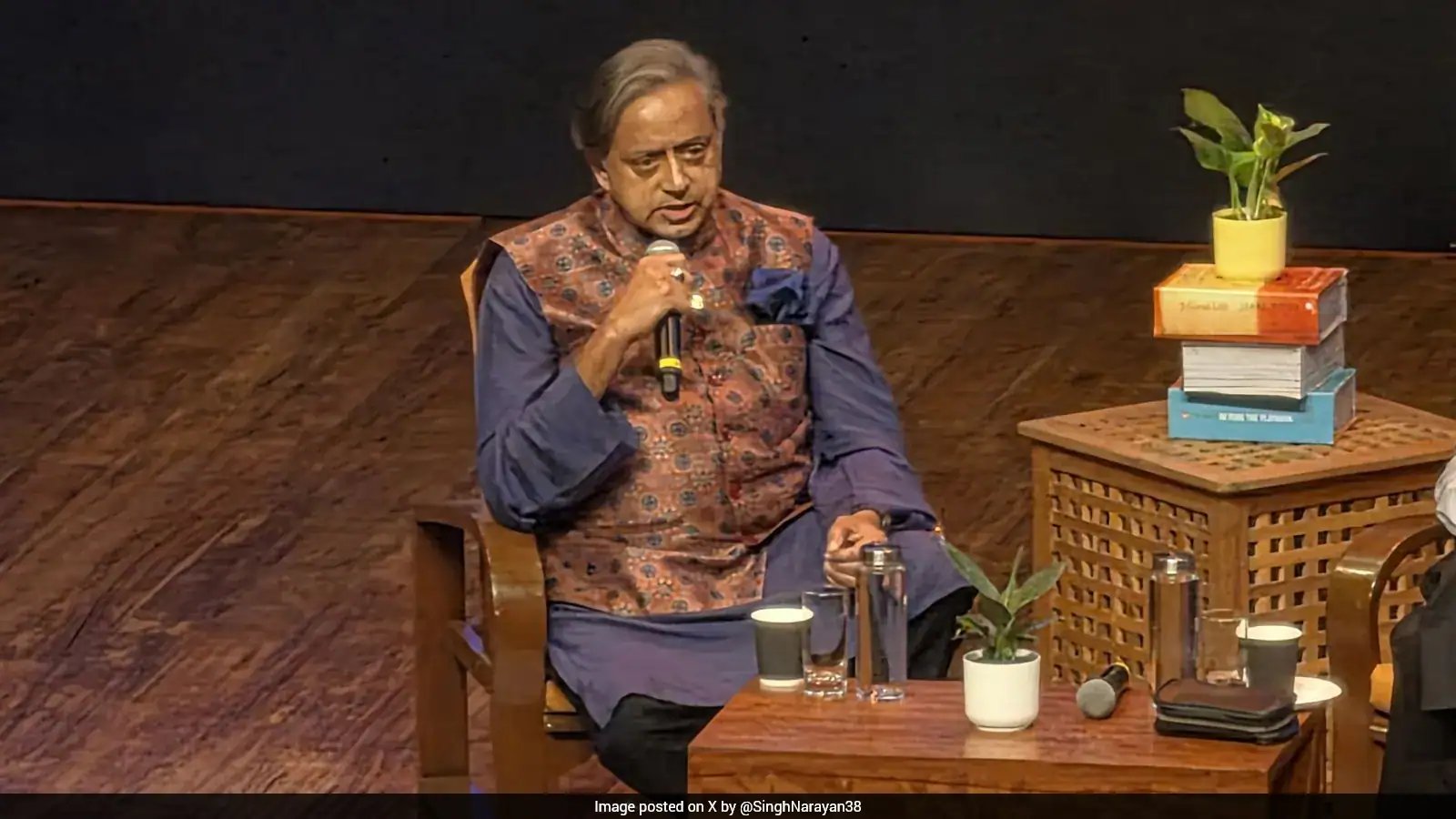
Shashi Tharoor tore into India’s no‑handshake policy at the Mumbai LitFest, accusing politicians of hijacking the game. He argued that while cricket once eased tensions, the current climate has turned matches into political battlegrounds.
The no‑handshake rule, first imposed after the 2025 April massacre, replaced a tradition of sportsmanship that had warmed ties during the 1999 Kargil war when India played Pakistan in England. Tharoor remembered that era, noting how leaders used the field to bridge divides.
BJP officials have defended the policy, claiming it protects national dignity. They accuse the Congress of harboring a "love for Pakistan" and say the handshake ban is a necessary deterrent.
Players and fans have split over the issue. Some applaud the stance, while others—especially younger cricketers—speak out for the spirit of the game, calling the policy a relic of past conflicts.
The debate now threatens the future of India‑Pakistan fixtures. Cricket boards face pressure from both sides: to uphold national security concerns or to preserve the sport’s global integrity.
With the next India‑Pakistan test slated for an unspecified date, both cricketing bodies must navigate this volatile intersection of sport and politics.