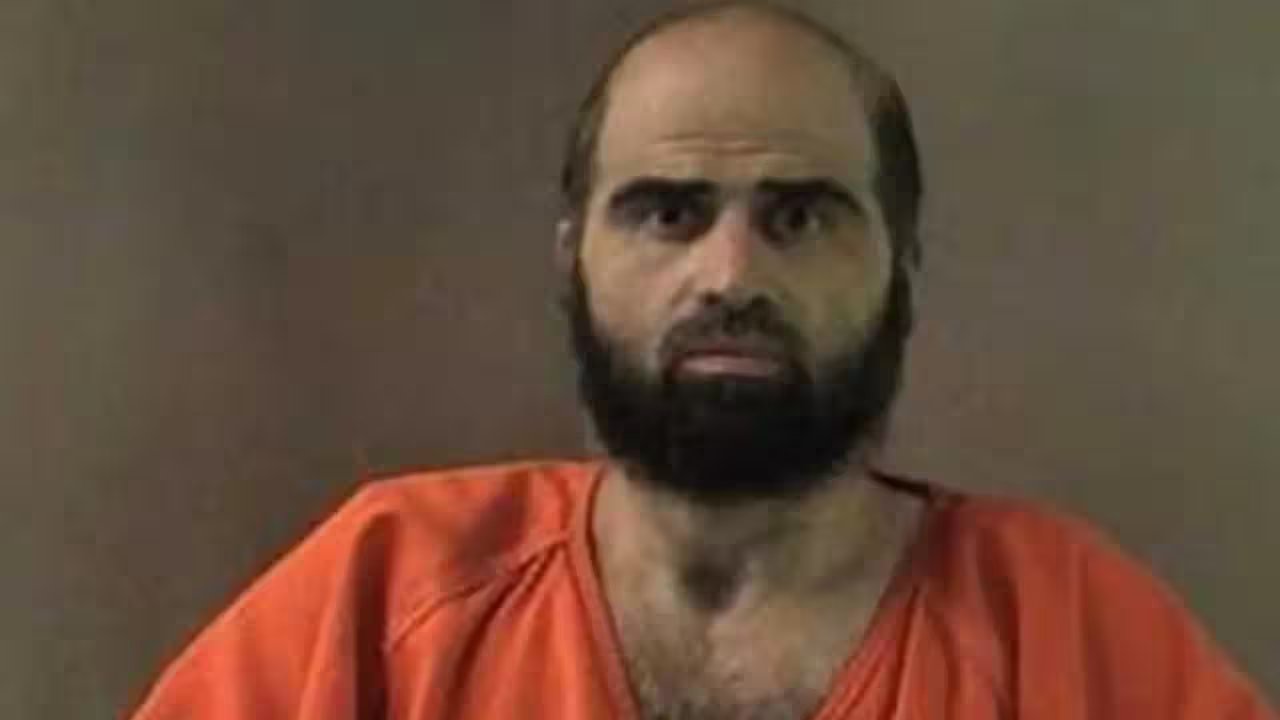
Trump reversed course on the broadcast of the Fort Hood shooter’s death, ending the legal and political standoff that erupted after the Department of Defense signaled the execution would be a public spectacle. The President posted on Truth Social that while Hasan “will die, as scheduled, by firing squad,” the event “will not be livestreamed.” The decision strips the general public of access to the killing, a move that contradicts the earlier directive from Defence Secretary Pete Hegseth, who had championed the transparency of the execution as a deterrent.
Only the immediate families of the 13 soldiers killed on November 5, 2009, are permitted to witness the act in person. Trump emphasized that these survivors “deserve to witness JUSTICE,” framing the exclusion of the broader public not as censorship, but as a protection of the victims’ dignity. The shooter, former US Army Major Nidal Malik Hasan, is scheduled to face the firing squad on December 3.
The pivot follows intense criticism from both Republican and Democratic lawmakers who argued that streaming the execution would provide terrorist organizations with potent propaganda. Critics warned that footage of a US soldier being killed by the state could be used to fuel radicalization, turning a judicial proceeding into a recruitment tool. Trump acknowledged this tension in a separate post, describing Hasan as a “very bad and evil man” while admitting that “many very good and well meaning people would not rather watch die.”
The 2009 shooting at Fort Hood in Texas remains the deadliest attack by a US service member on fellow troops, leaving 13 dead and 32 seriously injured. Hasan’s legal battle over the method of execution dragged on for years, culminating in the Supreme Court allowing the firing squad in 2023. With the broadcast ban in place, the focus now shifts entirely to the logistics of the December 3 date and the final hours of the condemned man’s life.