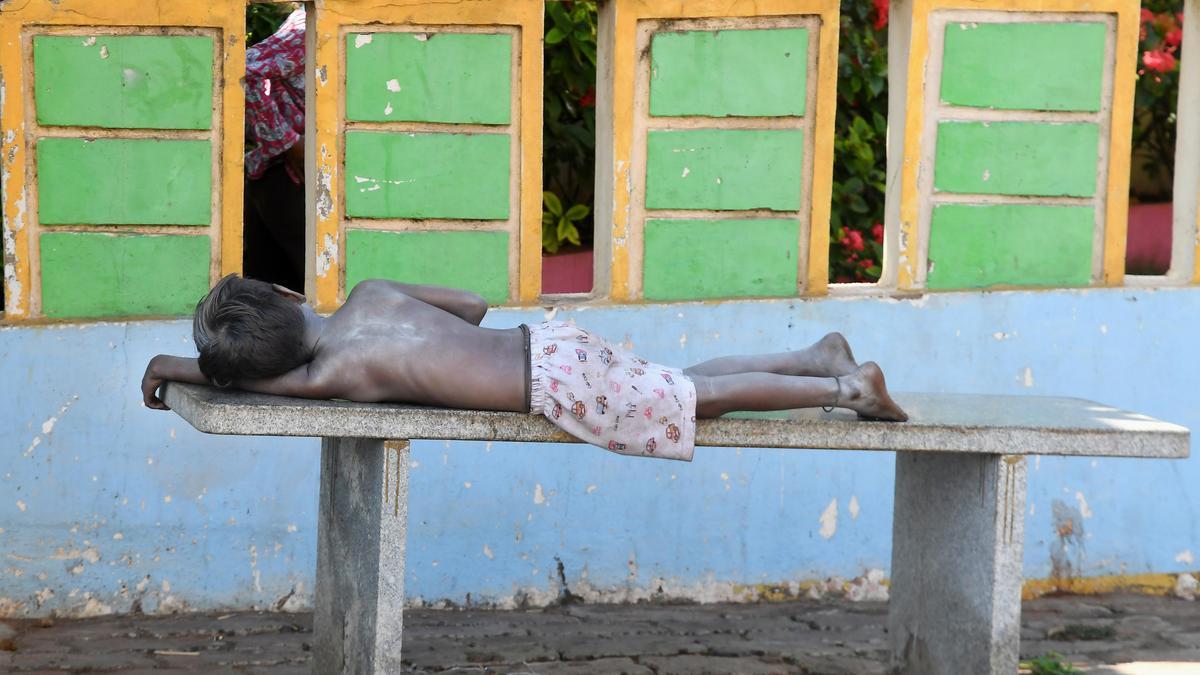
Malnutrition leaves unmistakable physical warnings. A child loses weight rapidly, muscle mass thins out, and developmental milestones stall long before clinical collapse occurs. Yet critical warning signs often slip past authorities until disaster strikes. To plug those systemic cracks, the Keralam government ordered the rollout of 'Family Sustainability Mapping' across the state to catch household distress early and protect children trapped in high-risk domestic settings.
Minister for Women and Child Development Bindhu Krishna announced the policy during a press conference in Thiruvananthapuram on Wednesday, November 11, 2026. The decision followed an emergency review triggered by the recent death of a two-year-old toddler in Alappuzha due to suspected severe acute malnutrition.
Officials resolved that administrative intervention must shift from reactive crisis handling to preventive household surveillance.
Child protection efforts should not be limited to intervening only after abuse or exploitation has already occurred. The government’s objective is to proactively identify high risk situations and ensure timely protection for children. Coordinated action among various departments and institutions will be strengthened to prevent issues such as sexual abuse, physical and mental abuse, neglect, child labour, child begging, human trafficking and online exploitation," Krishna stated.
Under the new framework, the state will deploy a multi-tiered monitoring apparatus at the grassroots level. Anganwadi staff, accredited social health activists, primary school teachers, and public healthcare personnel will lead front-line screenings alongside Local Self Government Department officials, District Child Protection Units, and local police teams.
Workers will flag early clinical and social risks directly within family units. The initiative monitors severe nutritional deficits, physical abandonment, domestic violence, child labour, begging, persistent school absenteeism, and substance abuse in the home.
By tracking these distress vectors simultaneously, local authorities intend to step in with immediate pediatric nutrition support, medical rehabilitation, and social safety nets before acute harm sets in.
| Program Metric | Operational Details |
|---|---|
| Core Policy | Family Sustainability Mapping |
| Lead Ministry | Department of Women and Child Development |
| Partner Departments | Health Department, Police, Local Self Government |
| Ground Monitoring Units | Anganwadis, Schools, Healthcare Staff, DCPUs |
| Primary Clinical Target | Early detection of severe malnutrition and household neglect |
| Ujjwala Balyam Awardees | 52 children selected across all 14 districts |
Administrative silos frequently cripple child protection. To prevent breakdowns between clinics and enforcement teams, field data gathered by local health visitors will sync directly with the Health Department, the Department of Women and Child Development, and local municipal bodies. This joint structure ensures that if an Anganwadi worker spots an infant sliding into severe wasting, municipal welfare teams and pediatric specialists mobilize jointly.
Alongside the mapping initiative, the Women and Child Development Department revealed the winners of the state’s Ujjwala Balyam Awards. District Collector-led selection committees picked 52 children representing all 14 districts for exceptional achievements across arts, sports, science, agriculture, environmental protection, information technology, literature, social work, crafts, waste management, humanitarian actions, and exceptional courage.
Each winner receives a ₹25,000 cash prize, a formal citation, and a plaque. The state government will present the honours during the official Children’s Day celebrations in Thiruvananthapuram on November 14, 2026, marking the formal administrative launch of the statewide child safety drive.
| Award Purse | ₹25,000 cash grant, citation, and plaque |
| Presentation Date | November 14, 2026 (Children's Day) |