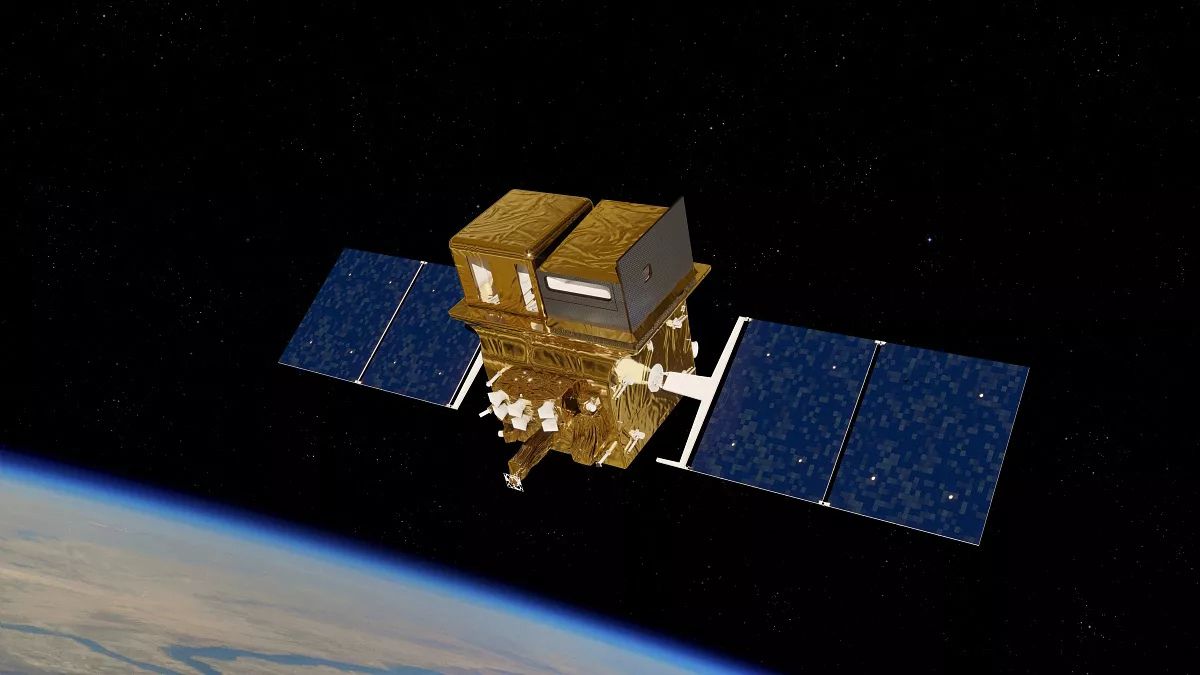
New Delhi and Paris are locking in a 2027 window to launch TRISHNA, a joint satellite mission designed to map the planet's water cycle with unprecedented precision. The spacecraft, whose name is Sanskrit for "thirst," will orbit 700 kilometers above Earth, capturing thermal infrared data that existing systems simply cannot match. It’s a direct response to the intensifying droughts and erratic rainfall patterns caused by global warming.
The technical spec is where TRISHNA breaks the mold. Current satellites force a trade-off: you get high detail but rarely, or frequent updates but with blurry, coarse resolution. TRISHNA eliminates that compromise. It will deliver imagery better than 60 meters in resolution while revisiting the same spot several times a week. That granularity allows scientists to track the local evolution of water stress in forests, evaporation rates in deserts, and sublimation in glaciers. For India, where the monsoon dictates economic survival, this data is not just academic; it’s operational.
The division of labor is starkly efficient. CNES supplies the thermal infrared instrument, the core sensor that reads the heat signature of the land. ISRO develops the optical payload, the eye that sees the visible spectrum. The resulting dataset will cover agriculture, coastal erosion, urban heat islands, and ecosystem health. Farmers in Punjab or water managers in Karnataka will use this to optimize irrigation and monitor reservoir levels, turning satellite telemetry into the kind of actionable intelligence that saves crops and prevents shortages.
This mission is the spiritual successor to Megha-Tropiques, the 2011 joint satellite that revolutionized our understanding of tropical rainfall. If Megha-Tropiques explained how water falls, TRISHNA explains what happens after it hits the ground. But the roots of this cooperation run deeper than any single satellite. Every major Indian rocket—PSLV, GSLV, LVM-3—runs on the Vikas engine, a direct descendant of France’s Viking engine. The trust built in those laboratories and launch pads over six decades has now shifted its focus from hard power to climate resilience.
Prof Philippe Baptiste, the French Minister for Higher Education, Research and Space, framed the mission as a tool for adaptation rather than just observation. "Global warming is taking place now, and we really have to adapt," Baptiste told NDTV, noting the data will serve both Indian and global populations. He emphasized that the partnership is a product of long-standing scientific trust, not just diplomatic convenience. The next step is clear: final integration testing in the coming months, with the launch pad at Sriharikota ready for 2027.