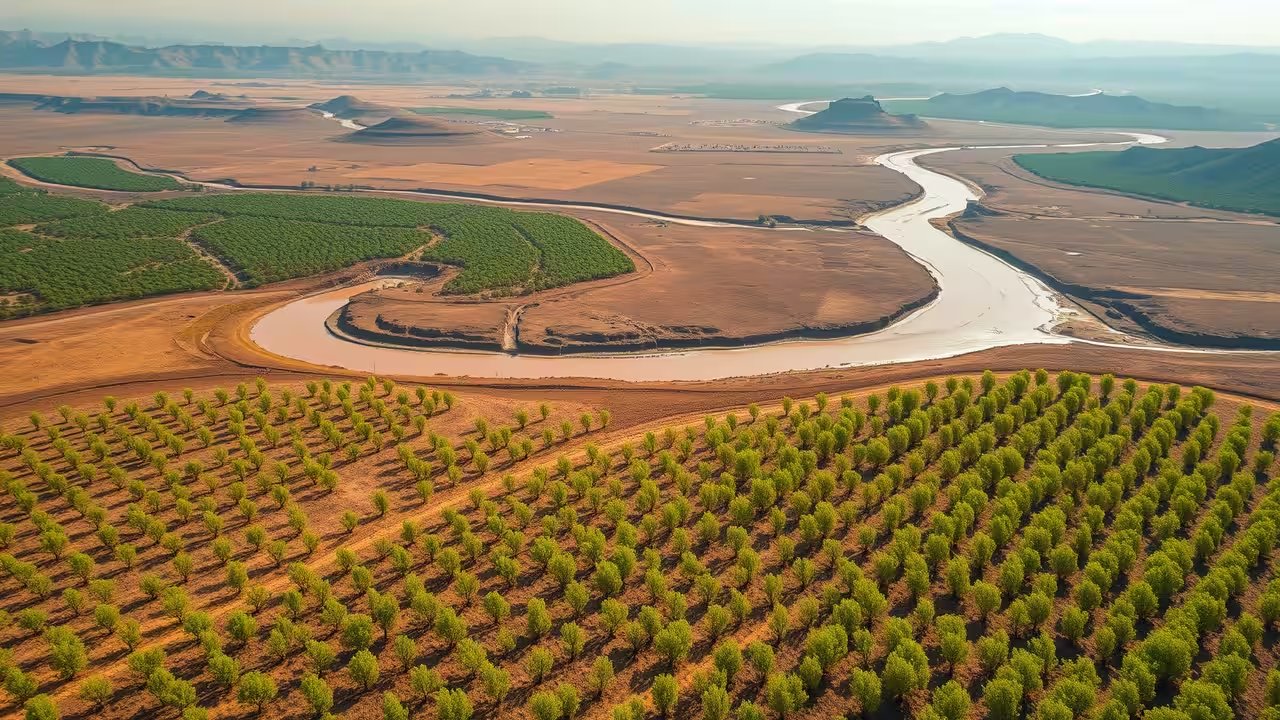
The study, published in Scientific Reports, analyzed data from 2001‑2019 across 35,000 km² of planted forest in the basin. It found that NPP rose 34% initially but fell 10% later, with 80% of areas experiencing decline within 15 years and half within 10 years.
The decline occurs far before the 50‑year maturity of key species Robinia pseudoacacia and Pinus tabuliformis, meaning carbon uptake saturates early. Soil moisture emerged as the strongest controlling factor, with rising drought days reaching up to 180 days in some zones.
The researchers note that converting cropland to forest increases soil organic carbon, yet further conversion is limited by policy and water constraints. They warn that current afforestation plans may overestimate long‑term carbon gains, raising concerns for national climate targets.
Policymakers are expected to review the study at the upcoming Ministry of Ecology and Environment conference on October 12, where adjustments to planting regimes could be proposed. Meanwhile, local communities in the basin are already feeling the impact of reduced forest carbon as droughts intensify.